
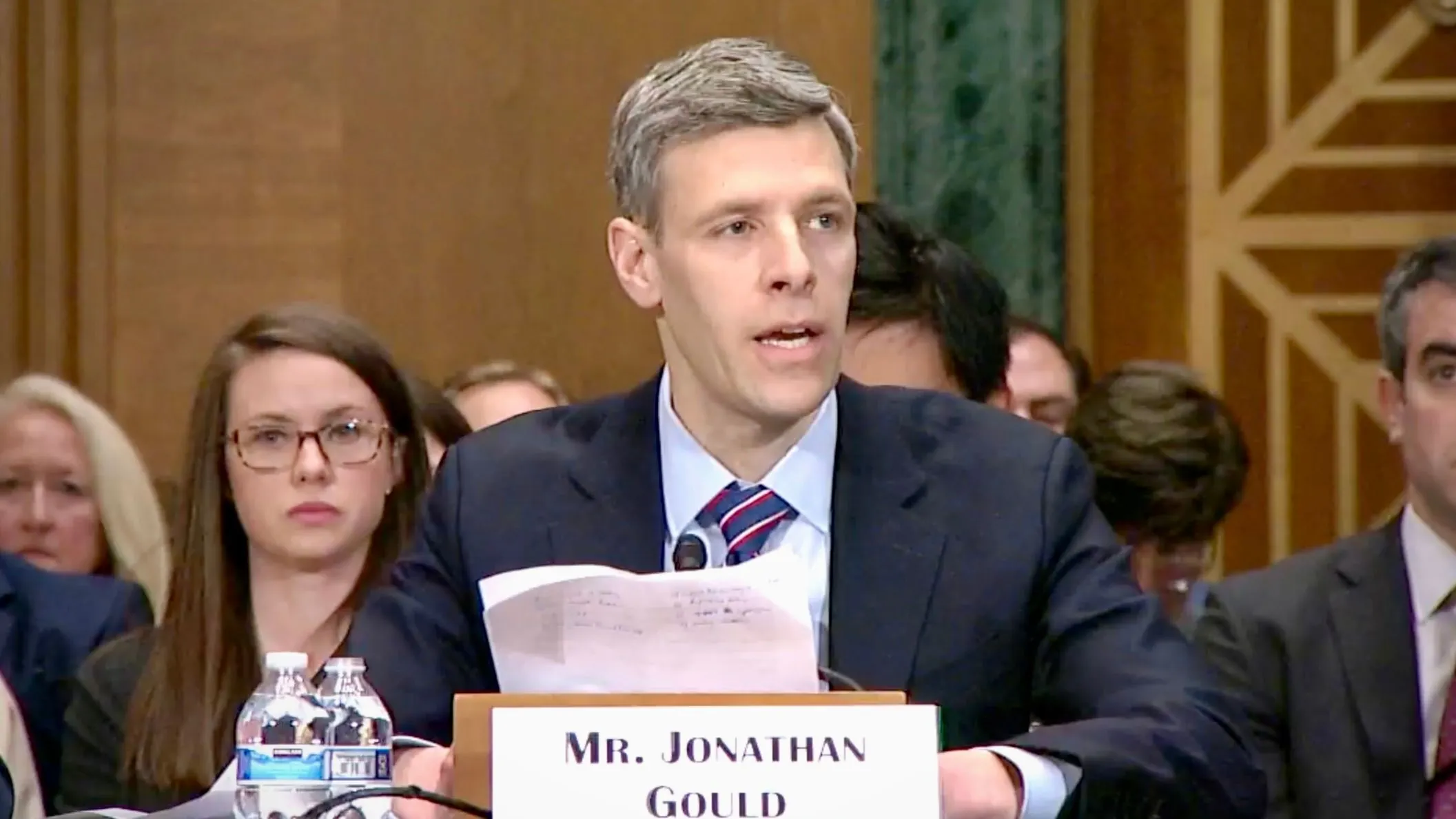
The Office of the Comptroller of the Currency is facing intense partisan division over its effort to integrate digital asset firms into the federal financial system. Acting Comptroller Jonathan Gould stated that political pressure regarding the agency’s approval of national trust charters for cryptocurrency companies is coming exclusively from Democratic lawmakers. The pushback intensifies a broader conflict over the current administration’s financial deregulation agenda, which seeks to ease access to banking infrastructure for digital asset firms.
Senator Elizabeth Warren is leading the congressional opposition, accusing Gould of violating the National Bank Act. Warren argues that the regulator is granting charters to ineligible companies, allowing crypto firms to bypass foundational consumer protection and banking safety standards. The regulatory friction escalated after World Liberty Financial, a decentralized finance company backed by the Trump family, applied for a national trust charter in January 2026 to custody its stablecoin.
In an effort to address these oversight concerns, Gould offered to conditionally share the unredacted charter application of World Liberty Financial with lawmakers. Details of this accommodation emerged as the OCC weighed access for Senators Warren and Tim Scott to review the confidential filings. The move follows months of regulatory shifts that saw the agency grant conditional trust charter approvals to industry players, including Ripple, Circle, and Crypto.com.
Gould has defended the approvals by pointing to a steep decline in traditional banking charters over the last two decades. According to a report published by Binance Square, the OCC approved an average of more than 100 bank licenses annually prior to the 2008 financial crisis. In the years following the crash, that metric plummeted to an average of just four applications per year, a drop that Gould argues justifies the regulatory embrace of alternative financial technology firms.
Wall Street Opposition and Statutory Boundaries
The pushback against the OCC is not limited to Capitol Hill. Traditional financial institutions are also moving to protect their market share and regulatory boundaries. The Bank Policy Institute, a powerful lobbying group representing Wall Street giants like JPMorgan Chase and Bank of America, is actively considering legal action against the regulator.
National trust charters grant crypto firms the legal authority to conduct asset custody and offer digital token services across all 50 states. This framework allows fintech companies to operate nationwide without seeking individual state licenses. Traditional banking groups argue this framework creates an uneven playing field, letting tech platforms handle billions in deposits without the strict capital requirements, regular examinations, and rigorous supervision mandated for full-service commercial lenders.
Federal Preemption and the Future of Corporate Token Custody
The regulatory conflict exposes a deep rift over federal preemption laws, which allow national charters to override state-level financial regulations. If the OCC successfully maintains its chartering authority against pending banking industry lawsuits, digital asset firms will secure permanent access to national payments infrastructure. Traditional commercial banking groups remain focused on blocking these charters in federal court to prevent non-bank entities from accessing the central bank’s payment rails.