
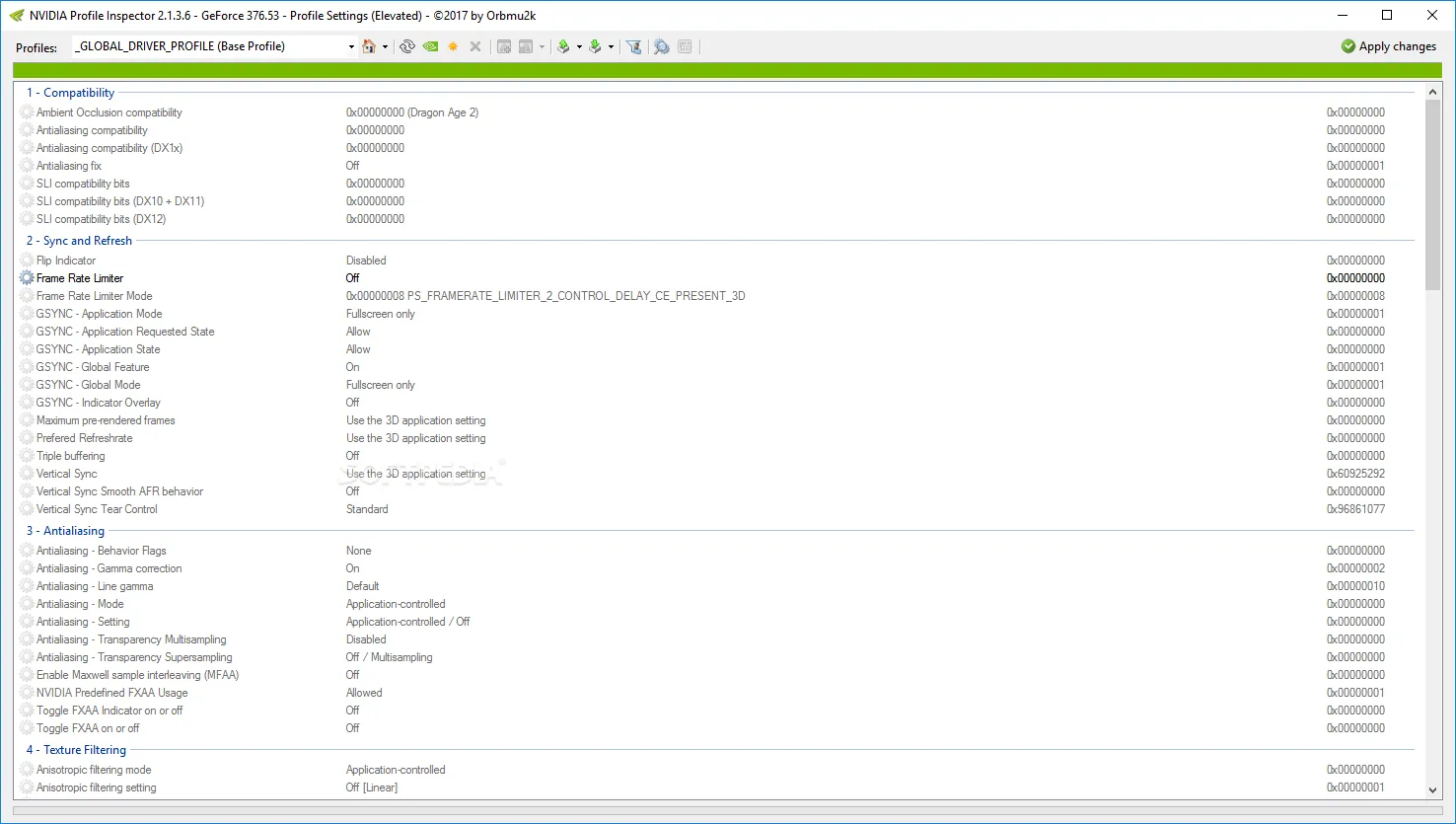
Nvidia wants to control how you use your graphics card. They built a unified software ecosystem to keep things simple, safe, and entirely locked down. But PC gamers rarely settle for training wheels.
The release of Nvidia Profile Inspector version 3.0.2.1 blows the doors completely off those restrictions. Instead of the curated, allowlisted toggles Nvidia officially approves, this open-source utility grants raw, unfettered access to the driver-level database. You can force features into games that officially don’t support them.
Take DLSS, for instance. The tool allows you to inject the latest DLSS 4.5 transformer model directly into older titles. Then there is the stuttering problem. Hardware-heavy games often hitch and pause because they run out of shader cache. The official software hides the controls to fix this. However, as noted in a detailed review by Jacob Roach, Profile Inspector lets users manually enlarge the shader cache size limits, effectively eliminating those frustrating micro-stutters. You can even pin your favorite tweaks right to the top of the interface.
Version 3.0.2.1 acts as the first stable milestone of the 3.x generation. It brings a modernized user interface with built-in GitHub update checking and a “modified only” view so you never lose track of what you changed. This specific feature set and the new hex ID search capabilities are documented on the TechPowerUp download portal.
The software engineering footprint here is embarrassing for corporate developers. The official Nvidia App announcement pushed a heavily stylized unified hub. That official app eats up nearly 2GB of disk space and runs anywhere from 10 to 15 telemetry processes in the background at all times. Nvidia Profile Inspector requires exactly 1MB of storage. It runs zero background processes when idle. It collects absolutely no telemetry data.
Why Enthusiasts Demand Raw Driver Access
Nvidia is actively consolidating its software suite into a single walled garden. They want everything routed through a polished, foolproof interface. That strategy makes sense for casual players who just want to install a driver and click play.
But that curation inherently restricts performance. When a developer abandons a game, it stops receiving official profile updates. Without a tool like Profile Inspector, a four-year-old game is permanently locked out of modern upscaling tech. By providing a direct bridge to the driver database, this open-source project ensures the PC platform remains actually open, giving hardware owners the final say over the silicon they paid for.