
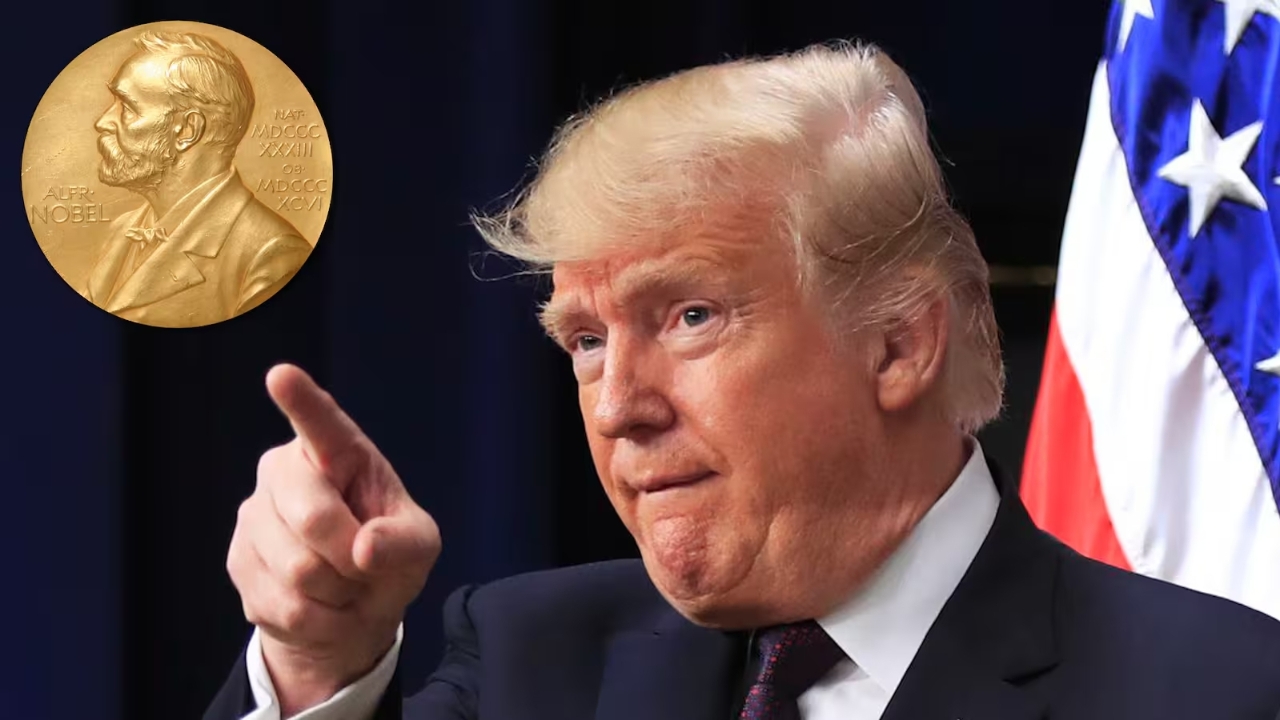
The Nobel Peace Prize committee has a clear message: no amount of political pressure or public campaigning will sway their decisions. This firm stance comes as former President Donald Trump openly seeks the prestigious award, believing he deserves it for his efforts in international peace.
Since leaving office, Mr. Trump has made his ambition known. He often speaks of ending conflicts, sometimes claiming credit for stopping as many as six wars. However, other major conflicts, like those in Gaza and Ukraine, continue to rage on.
Kristian Berg Harpviken, who serves as the committee’s secretary, told reporters that while they notice public interest in certain candidates, such buzz plays no part in their private discussions. He made it clear that simply being nominated is not a grand achievement. The real win, he explained, is actually receiving the prize itself.
Many different people can nominate someone for the Nobel Peace Prize. This includes politicians from parliaments and governments around the world, past prize winners, and professors from certain universities. This wide net means many names get put forward each year.
For the 2025 award, which will be announced on October 10, the committee is looking at 338 nominees, including both people and groups. These names are kept secret for half a century. A select few will then be studied by experts. The final choice, they insist, will come from facts, not from what the news headlines say.
Reports suggest Mr. Trump even brought up the peace prize during a call about taxes in late July. He was speaking with Jens Stoltenberg, who used to lead NATO and is now Norway’s finance minister. However, the Norwegian Finance Ministry didn’t confirm any talk of the Nobel prize.
While Norway’s parliament appoints the five members of the Nobel committee, the committee strongly states its independence from politics. They point to past examples, like in 2010. Back then, they ignored warnings from the Norwegian government and gave the prize to Liu Xiaobo, a Chinese democracy activist. This decision caused years of strained relations between China and Norway, showing just how committed they are to their independence.
Experts widely believe Mr. Trump has very little chance of winning. Dr. Halvard Leira, a research director at the Norwegian Institute of International Affairs (NUPI), noted that trying to pressure the committee often backfires. He suggested that if the committee were to give the prize to Mr. Trump now, it would look like they gave in to pressure, abandoning their long-held independence.
Adding to this, three historians who study the Nobel Prize wrote an article in August. They argued that Mr. Trump should not receive the award. One key reason they gave was his praise for Russian leader Vladimir Putin, especially as the war in Ukraine continues into its third year. They even said a committee member would have to be “insane” to give him the prize.
The committee’s unwavering message remains clear: the path to peace recognition is paved with merit, not with public lobbying.
Source: AFP