
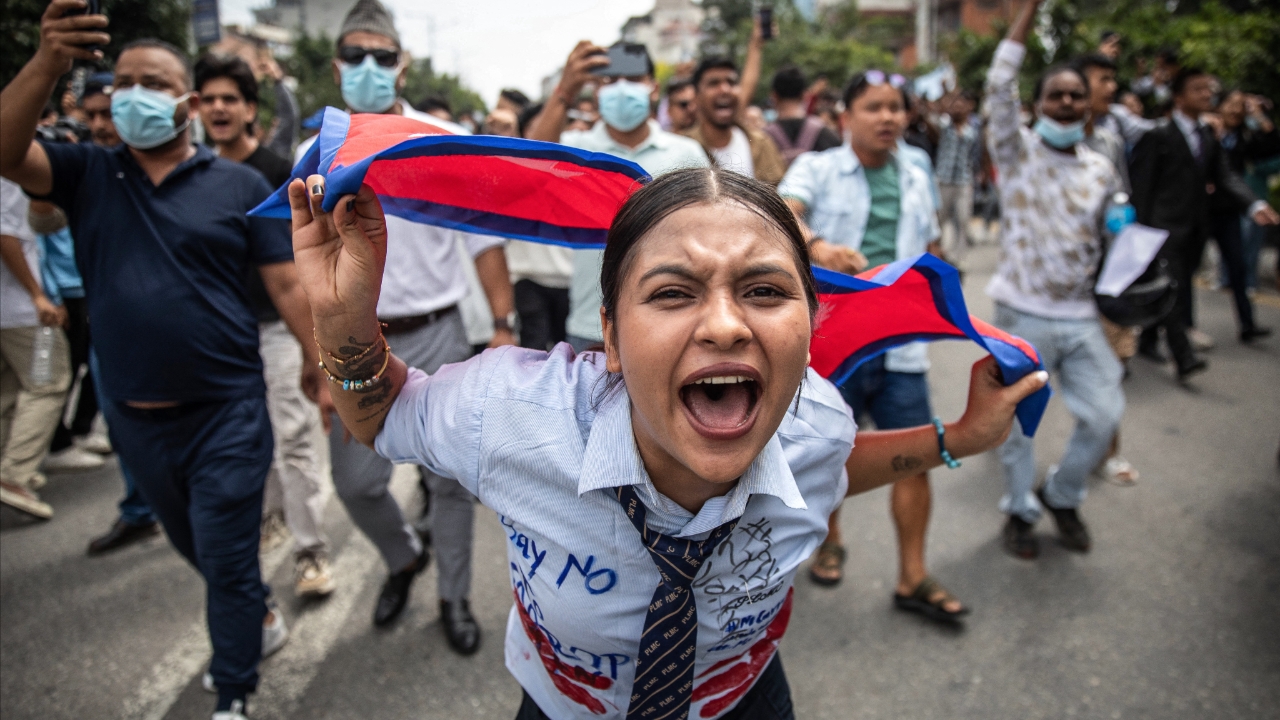
These young people, often called Gen Z, filled the streets. They gathered mainly outside the Parliament building in Kathmandu. They were furious about the government’s move to block their voices online. Officials had shut down major social media platforms like Facebook, YouTube, Instagram, and X. This clampdown felt like an attempt to silence them. Many also shouted out against widespread corruption, which they believe runs deep in the country’s political system.
The demonstration took a dangerous turn when some protesters tried to climb over restricted walls. Police then used strong measures to push them back. Officers fired tear gas, blasted water cannons, used batons, and even shot rubber bullets into the crowds. The scenes were chaotic and brutal. Hospitals quickly became overwhelmed, with many people needing help after breathing in tear gas. Medical staff there said they had never seen such a terrible event unfold.
Before the protests, the government argued that banning social media was necessary. They claimed it would help stop fake news, hateful messages, and online scams. However, most Nepalis saw things differently. They believed these rules were simply designed to stop free speech and keep people from speaking their minds. This only fueled their frustration.
The tragic events quickly led to political fallout. Ramesh Lekhak, who served as the Minister of Interior, stepped down from his role. He announced his resignation during a cabinet meeting the previous night. Mr. Lekhak said he was taking “moral responsibility” for the lives lost during the protests. His departure highlights the seriousness of the situation.
The world has also started to take notice. The United Nations Human Rights Office released a statement. They asked Nepal’s government to look into the deaths fairly and openly. The office also shared its deep worry about the police using too much force against the protesters. This call for transparency adds international pressure to the ongoing crisis.