
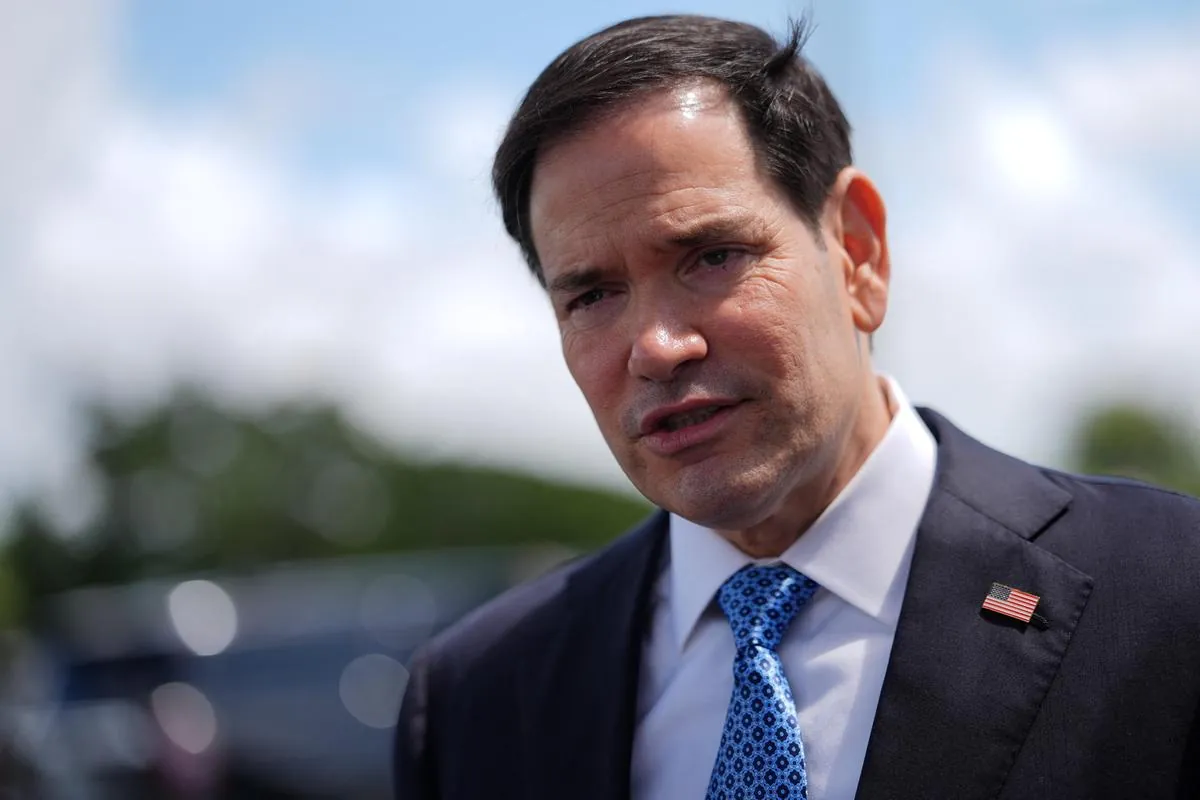
US Secretary of State Marco Rubio met with NATO foreign ministers in Helsingborg, Sweden, on Friday to clarify America’s military posture in Europe amid the ongoing Russia-Ukraine war and the recent US-Iran ceasefire. The meetings focused on reassuring European partners of American defense commitments as the United States navigates shifting global military resources.
The diplomatic effort follows a Thursday announcement by President Donald Trump on Truth Social declaring the deployment of an additional 5,000 troops to Poland. Trump attributed the decision directly to his strong relationship with newly elected Polish President Karol Nawrocki, whom he endorsed last year.
The sudden troop commitment confused NATO defense officials, arriving weeks after the Pentagon detailed a nearly identical reduction of 5,000 personnel across the continent. That prior directive canceled the scheduled rotation of 4,000 soldiers from the Army’s 2nd Armored Brigade Combat Team to Poland and halted the dispatch of long-range missile operators to Germany.
Seeking to minimize the scale of the Pentagon’s structural changes, Rubio told ministers that returning to three US brigade combat teams instead of four simply brings the European footprint back to 2022 levels, according to European NATO officials at the summit. He noted the initial drawdown represented a decrease of less than 12 percent of the total American presence in Europe.
Polish Prime Minister Donald Tusk praised the sudden reversal, stating Poland is being “treated as it deserves.” Other regional leaders, including Latvian Foreign Minister Baiba Braže and ministers from Norway and the Netherlands, reacted cautiously, noting they anticipate no immediate change in physical posture while the US reviews its long-term NATO Force Model commitments.
The fluctuating European strategy is tied directly to US operations elsewhere. Following the April 8 temporary ceasefire in the US-Iran conflict, Rubio reported that ongoing peace talks in Islamabad are showing some slight progress. He relayed that Trump remains disappointed by the lack of NATO military support for American operations in the Middle East, indicating the alliance’s operational scope will require review.