
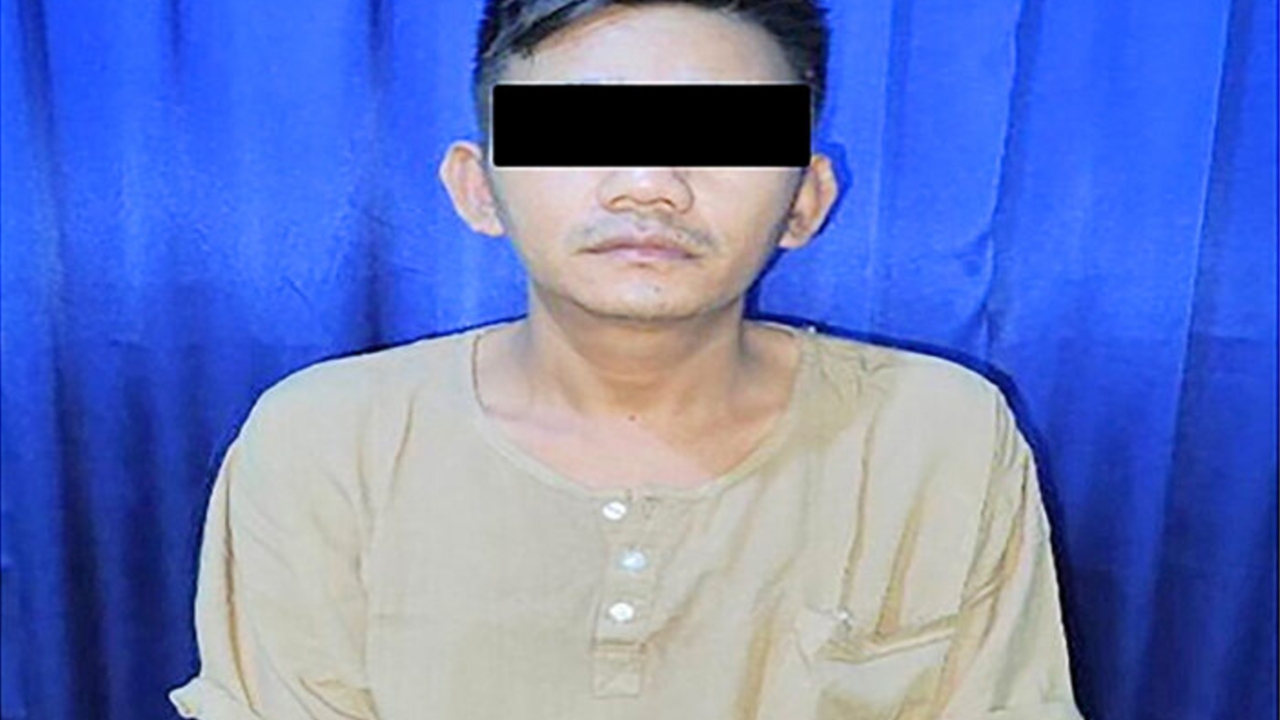
In a clear sign of tightening control, a man has been sentenced to seven years in prison for a social media post. This marks the first known conviction under a harsh new election law. The ruling military authorities have stated that punishments could even include the death penalty for certain offenses related to the upcoming vote.
A Crackdown on Dissent
According to a report from the Irrawaddy news website on September 10, 2025, the military government has used its new Election Protection Law for the first time. Ko Nay Tway, a 36-year-old from Taunggyi in Shan State, received the seven-year sentence. His “crime” was posting comments on Facebook that criticized the election planned for later this year.
The “Crime” of a Facebook Post
Ko Nay Tway used his Facebook account, named “Lashio Baegyi,” to share a video. The clip showed a brazen daytime robbery in Lashio on August 25. In the video, attackers hurt a female driver and shot her in the leg. Alongside the video, Ko Nay Tway wrote a message that seemed to question the military government. He said, “If you want votes from the people, you should serve and ensure their safety first.” Authorities quickly saw these words as undermining the election. They stated it violated the new law, which was announced on July 29.
New Law, Severe Penalties
Interior Minister General Tun Tun Naung confirmed the strict approach. As of September 2, three people had faced charges under the new law, with one already sentenced. He suggested more cases would follow, setting an example for everyone. The law carries serious penalties. It includes 3 to 5 years in prison for disrupting elections. Destroying ballot boxes or voting machines could mean 5 to 10 years, or even life if done by a group. Attacking election officials or voters could lead to 10 to 20 years. The gravest penalty, death, is reserved for cases where someone dies.
An Election Under Scrutiny
Despite the tough rules, the military is moving forward with an election. They announced the first round will happen on December 28. This election will cover 102 constituencies, which is about one-third of the country. Officials are also pushing hard for people to learn about electronic voting machines. Civil servants and the general public in Yangon have been told to attend these demonstrations. However, many critics see this election as a sham. They believe it’s a way for the military to pretend they have public support and stay in power. Only observers from Cambodia and Belarus are expected to monitor the vote.