
Music executives are rewriting the rules of song promotion by treating old releases as active product launches. Rather than leaving past albums in a static archive, labels and distributors now view an artist’s entire back catalog as a continuous, evergreen marketing asset. The strategy shifts focus from exclusively pushing new singles to actively manipulating existing tracks to fit real-time cultural trends.
According to a detailed report by Olivia Shalhoup at Forbes published on Monday, marketing teams are aggressively organizing anniversary campaigns and reworking older tracks to capture new audiences. This pivot follows a wave of fan-driven revivals that proved older songs hold immediate commercial viability.
Key Details
- Active reworking: Labels are commissioning fresh remixes and alternate versions of years-old tracks to align with current algorithmic trends.
- Strategic reframing: Marketing executives now position legacy songs to intercept specific viral moments on social platforms.
- Catalog-wide viability: Fan-driven engagement ensures an artist’s entire discography remains continuously in play, rather than just the current promotional cycle.
The mechanics of a hit have fundamentally changed. A song released five years ago carries the same algorithmic weight as one released yesterday. Industry analysts point to several high-profile case studies demonstrating this catalog dominance. Tinashe recently secured renewed traction with the remixed version of “No Broke Boys.” Lizzo experienced a similar delayed explosion with “Truth Hurts,” a track that lay dormant for two years before becoming a commercial anchor.
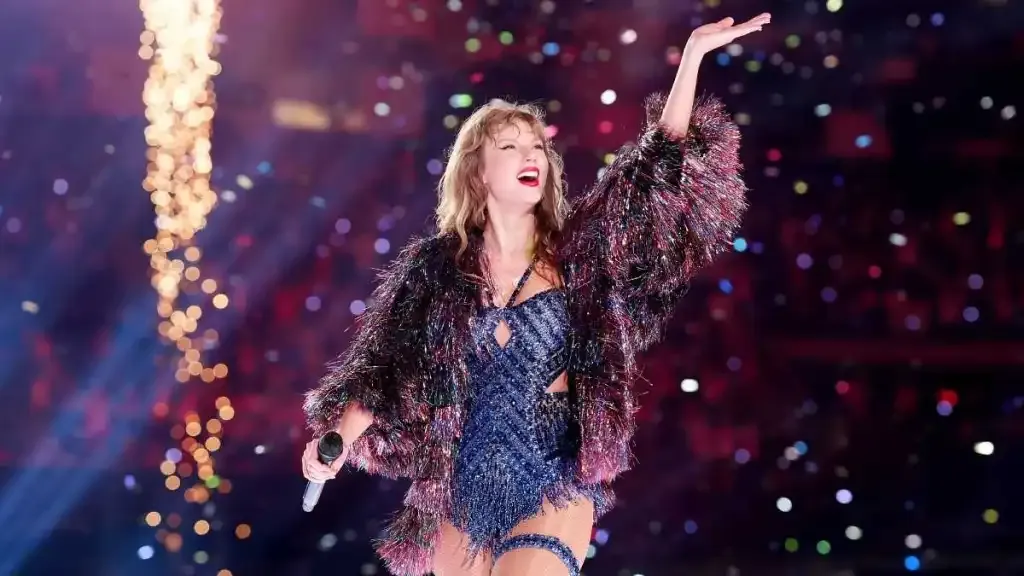
The financial ceiling for catalog utilization keeps rising. Taylor Swift effectively weaponized her own back catalog through her extensive re-recording project, turning archival material into billion-dollar stadium tours. Meanwhile, television placements continue to act as unpredictable commercial catalysts. Kate Bush’s decades-old “Running Up That Hill” generated millions in new royalty revenue after a sync placement in Netflix’s Stranger Things.
More recently, artists like Chappell Roan have built vast audiences by allowing TikTok users to organically excavate older material. These fan-driven revivals force labels to maintain a state of permanent promotion. A song is never truly finished; it just waits for a new context.
Why Legacy Catalogs Threaten the Traditional Album Cycle
The aggressive mobilization of back catalogs fundamentally alters how music distributors allocate marketing budgets. Historically, labels concentrated their financial resources on a narrow three-month window surrounding a new album release. If a single failed to chart immediately, the investment was written off.
That model is rapidly collapsing. By treating every past release as a potential future hit, marketing departments must now stretch their budgets across an artist’s entire career timeline. This requires dedicated teams monitoring social media micro-trends, ready to inject marketing capital into a five-year-old song the moment it shows algorithmic life. For record labels, the most valuable intellectual property is no longer the next unwritten single. It is the thousands of dormant tracks they already own.