
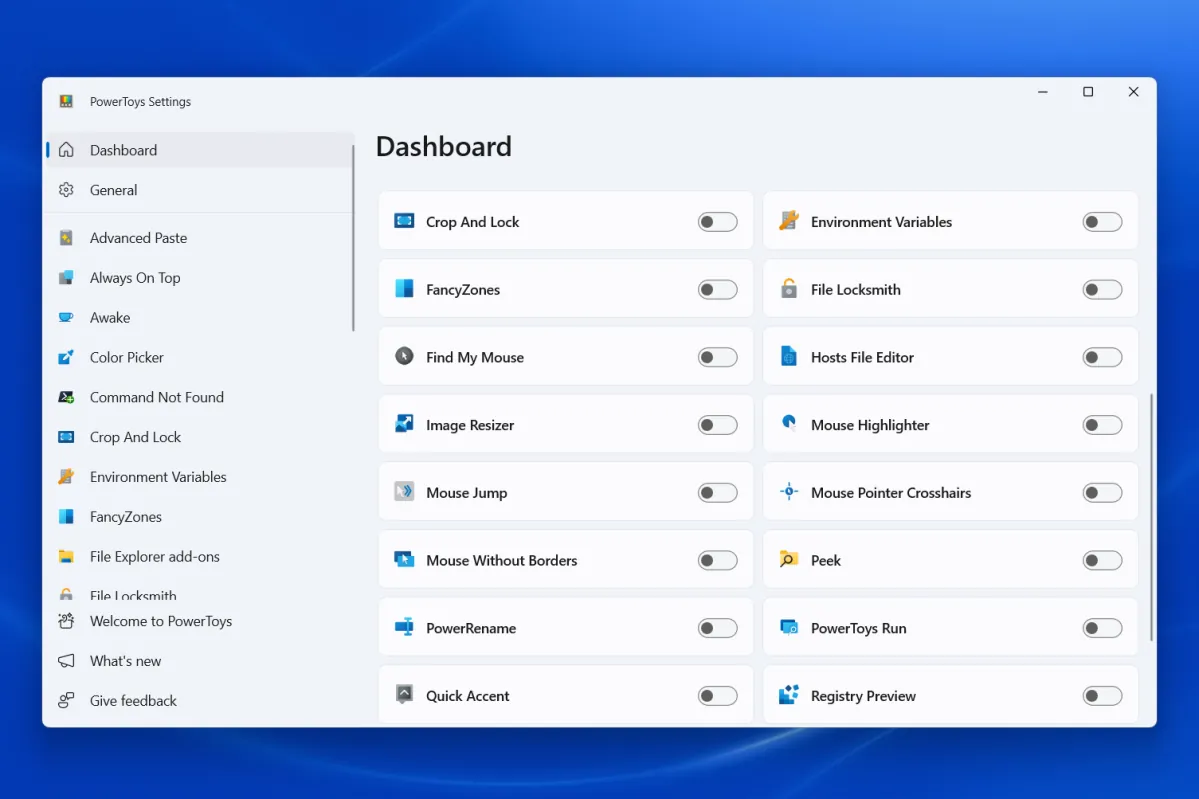
The old Windows 11 Run dialog just got a quiet under-the-hood overhaul. Microsoft ripped out the old code and replaced it directly with the engine powering the PowerToys Command Palette. The swap cuts the Run dialog’s loading time from 103ms down to 94ms. This is a rare moment where an open-source community project successfully crossed over into the proprietary Windows 11 architecture, turning a fan-favorite testing utility into a permanent system feature.
PowerToys originally launched in November 1996 to give Windows 95 power users deeper system controls. Microsoft abandoned the project after the Windows XP era but revived it in May 2019. Today, it operates as a huge open-source feedback engine with over 129,000 GitHub stars. Microsoft uses the platform to safely test wild UI changes—like screen-edge widgets and unified search bars—without risking the stability of the primary operating system. Highly successful modules like FancyZones directly inspired native Windows 11 tools like Snap Layouts.
The Hardware Override in Version 0.99
On April 29, 2026, Microsoft released PowerToys version 0.99. This update fundamentally altered multi-monitor management with a new tool called Power Display. Users can now adjust external monitor hardware settings, like brightness and contrast, directly through a Windows system tray flyout. You no longer have to reach up and click the physical buttons on your plastic monitors, a software override that bypasses traditional hardware interfaces entirely.
Version 0.99 also added a feature called Grab and Move. You hold the Alt key and click anywhere on a window to drag it across the screen. The developers are also prototyping an always-on top menu bar called Dock.
How PowerToys Borrows Desktop Rules From Linux and macOS
The newest additions to PowerToys pull heavily from competing operating systems. The Grab and Move functionality is an exact replica of a window management staple used in Linux desktop environments for years. Similarly, the experimental Dock feature mimics the persistent top menu bar of Apple’s macOS. Microsoft is using its open-source playground to test design languages from its biggest rivals before committing them to the official Windows 11 roadmap.