
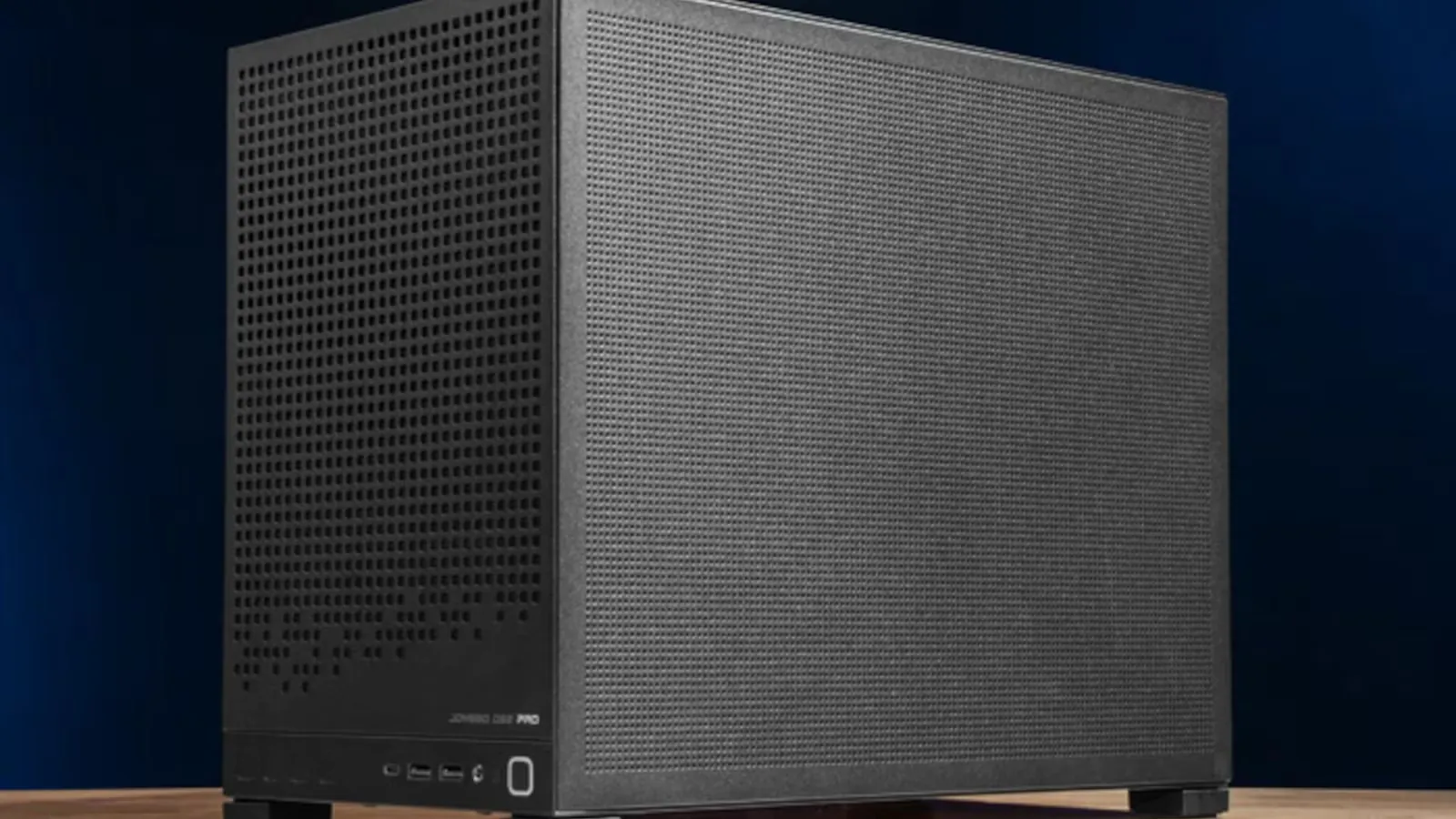
Custom system builder Meta PCs has officially listed the “Steamroller,” a pre-built gaming desktop that ships with Valve’s SteamOS pre-installed instead of Windows. The move arrives just as Valve signals its intent to release the Arch Linux-based SteamOS 3.0 for general desktop hardware following the runaway success of the portable Steam Deck. But Meta PCs effectively beat the gaming giant to the punch.
Priced at $1,299, the Steamroller targets 1080p performance. It runs on an AMD Ryzen 5 9600X CPU and an AMD Radeon RX 7600 GPU. The system includes 16GB of DDR5-5600 memory, a 1TB NVMe M.2 SSD, and a 240mm AIO cooler inside a compact Jonsbo D32 chassis. Pre-orders fulfill by July 3, 2026, according to recent hardware reports.
The Open-Hardware Vision Hits the Mainstream
Valve originally attempted to conquer the living room in 2015 with Steam Machines, a project that struggled commercially. Now, the underlying Linux operating system is robust enough to run standard desktop hardware natively. However, shipping a retail unit without Valve’s direct blessing sparked active community debates online.
Linux gaming enthusiasts are currently split. Many praise the Steamroller as the realization of Valve’s ultimate open-hardware vision. Others question if Meta PCs holds the necessary commercial licensing and proprietary trademarks required to distribute a desktop fork of SteamOS at this retail scale.
How Bypassing Windows Licenses Lowers PC Costs
Boutique builders like Meta PCs can bypass Microsoft’s mandatory Windows 11 OEM license fee entirely by shipping the system with SteamOS. That fee typically costs builders roughly $100 per unit.
Removing the Windows tax gives manufacturers two distinct options. They can either increase their own profit margins or offer a cheaper retail price on mid-range gaming builds. For consumers, this means more hardware power per dollar spent, provided they are willing to stay within the Steam ecosystem.