
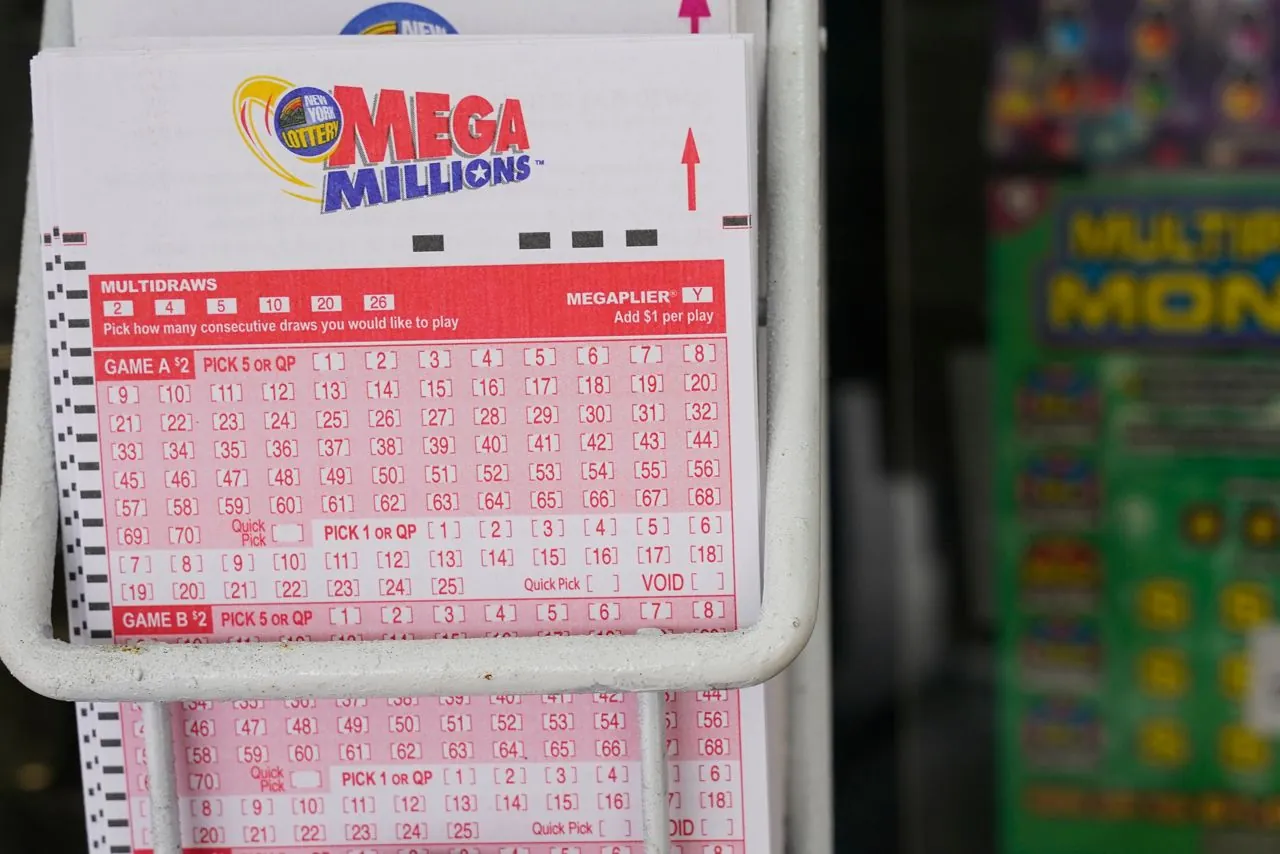
The Mega Millions grand prize officially reached $604 million on Wednesday following a prolonged streak of consecutive drawings without a winner. Tuesday night’s drawing came and went with no tickets matching the winning sequence of 2, 31, 35, 36, 63, and the Mega Ball 12.
This rollover makes it the largest lottery prize of the year. It eclipses the previous high-water mark set in March, when a single ticket claimed a $533 million jackpot. The next drawing is scheduled for Friday night, but the advertised top-line number masks the mathematical reality of the actual payout.
The Cash Value Collapse
For the eventual winner, the advertised $604 million is largely an illusion. Choosing the popular lump-sum cash payout instantly reduces the available prize pool to $266.3 million. That figure faces an immediate 24% mandatory federal withholding before the money ever hits a bank account.
Because a prize of this size instantly pushes the winner into the maximum 37% federal marginal tax rate, the final take-home amount plummets to approximately $167.8 million, according to a breakdown by Forbes. The math is punishing.
Opting for the 30-year annuity softens the immediate tax blow slightly, but the IRS still takes a severe cut. The $20.1 million annual payments drop down to roughly $12.7 million after top-bracket federal taxes are applied each year.
How State Residency Dictates Real Lottery Wealth
Federal taxes are only the first hurdle. The final payout is ultimately dictated by regional tax laws, creating a severe disparity in capital preservation based purely on where the winning ticket was purchased.
Winners residing in high-tax jurisdictions face a secondary financial hit. New York, for example, levies an additional 10.9% tax on lottery winnings. This strips tens of millions of dollars away from the final lump sum. Conversely, residents of states like Texas, Florida, and California pay zero state lottery taxes, allowing them to keep the entire remaining federal balance.
Winning requires beating astronomical 1-in-290.4 million odds. Interestingly, those odds remain slightly more favorable than the 1-in-292.2 million probability of winning the rival Powerball jackpot. But whoever eventually beats that math will find that geography dictates exactly how much of that wealth they actually get to keep.