
Madeleine McCann marks her 23rd birthday today, May 12, 2026, as a high-stakes jurisdictional standoff between British and German investigators continues to stall the 19-year-old disappearance case. The legal deadlock centers on a refusal by United Kingdom authorities to share specific case evidence with German counterparts, effectively blocking a formal interview with prime suspect Christian Brueckner. This friction comes just days after the 19th anniversary of the child’s abduction from Praia da Luz on May 3, 2007, amidst a deepening lack of cooperation between the two nations’ prosecutorial offices.
British detectives recently attempted to break the stalemate by having the Crown Prosecution Service (CPS) issue an International Letter of Request to German prosecutors. This move sought permission for UK officers to question Brueckner officially. However, a German court rejected the request because the British side would not disclose the underlying facts behind their new suspicions. Friedrich Fulscher, the lawyer representing Brueckner, said his client was never informed of the specific claims made by police agencies around the world.
Political pressure is now mounting within the UK to resolve the impasse. MP Peter Bedford, who represents the McCann family’s home district in Leicestershire, has publicly pushed the German government to allow an extradition arrangement. He argued that the suspect should face trial in the UK if sufficient evidence exists. German officials maintain that evidence must be shared before investigative access is granted to foreign agencies.
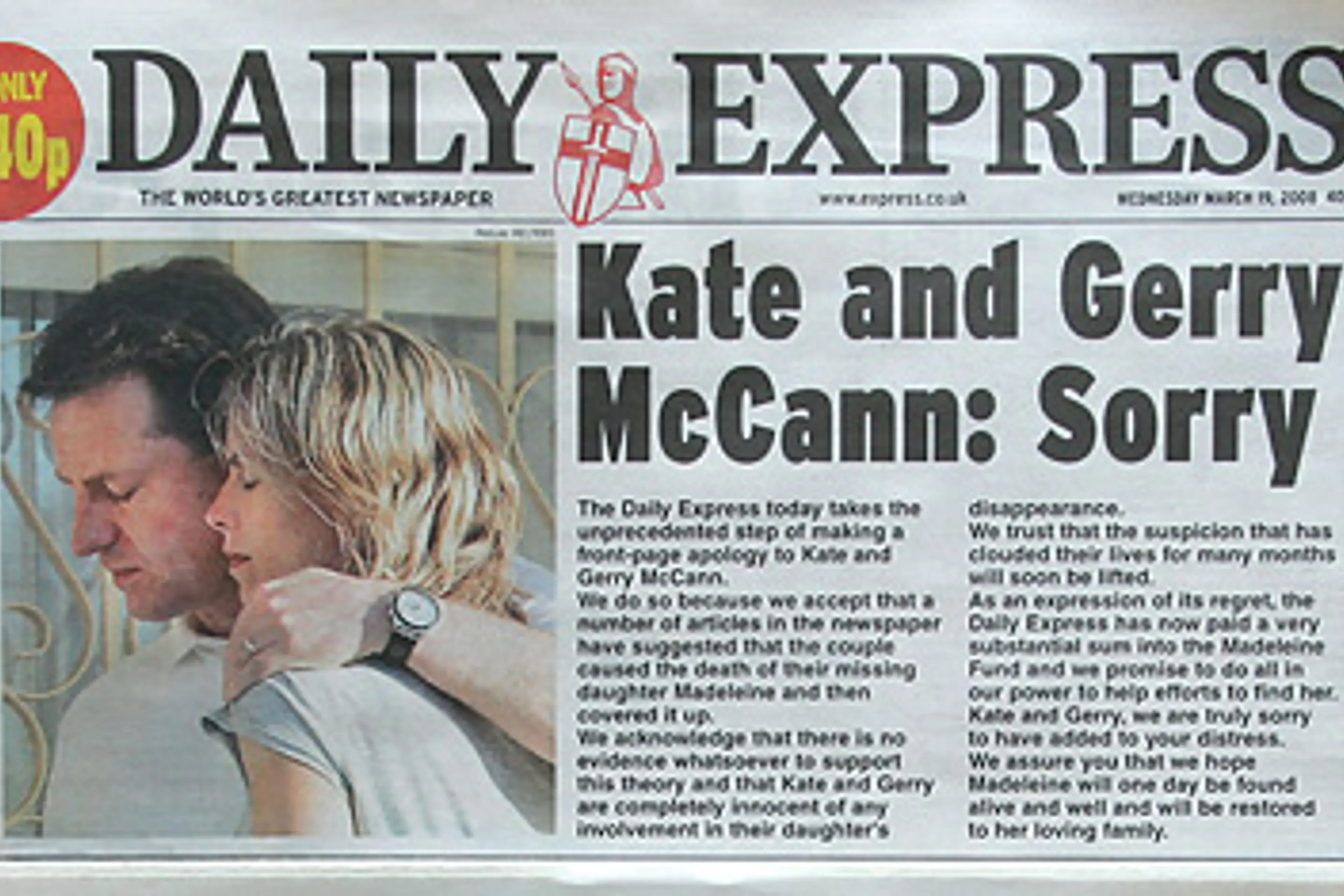
Brueckner continues to deny any involvement in the disappearance. He currently lives in Germany under strict probationary conditions after completing an unrelated prison sentence. These terms include a five-year requirement to wear an electronic ankle monitor and mandatory monthly check-ins with a probation officer. Kate and Gerry McCann recently held a prayer vigil to mark the anniversary of their daughter’s disappearance and stated they still hold hope for a resolution.
The current impasse reflects a significant shift from investigative cooperation to a formal legal battle over sovereignty and evidence protocol. By moving from quiet information sharing to public “Letters of Request” and parliamentary pressure, the UK is attempting to force a trial on British soil rather than waiting for the German investigation to conclude. This procedural shift suggests that British authorities may believe they have gathered enough specific information to warrant a prosecution, even as German courts prioritize their own domestic legal requirements for disclosure.