
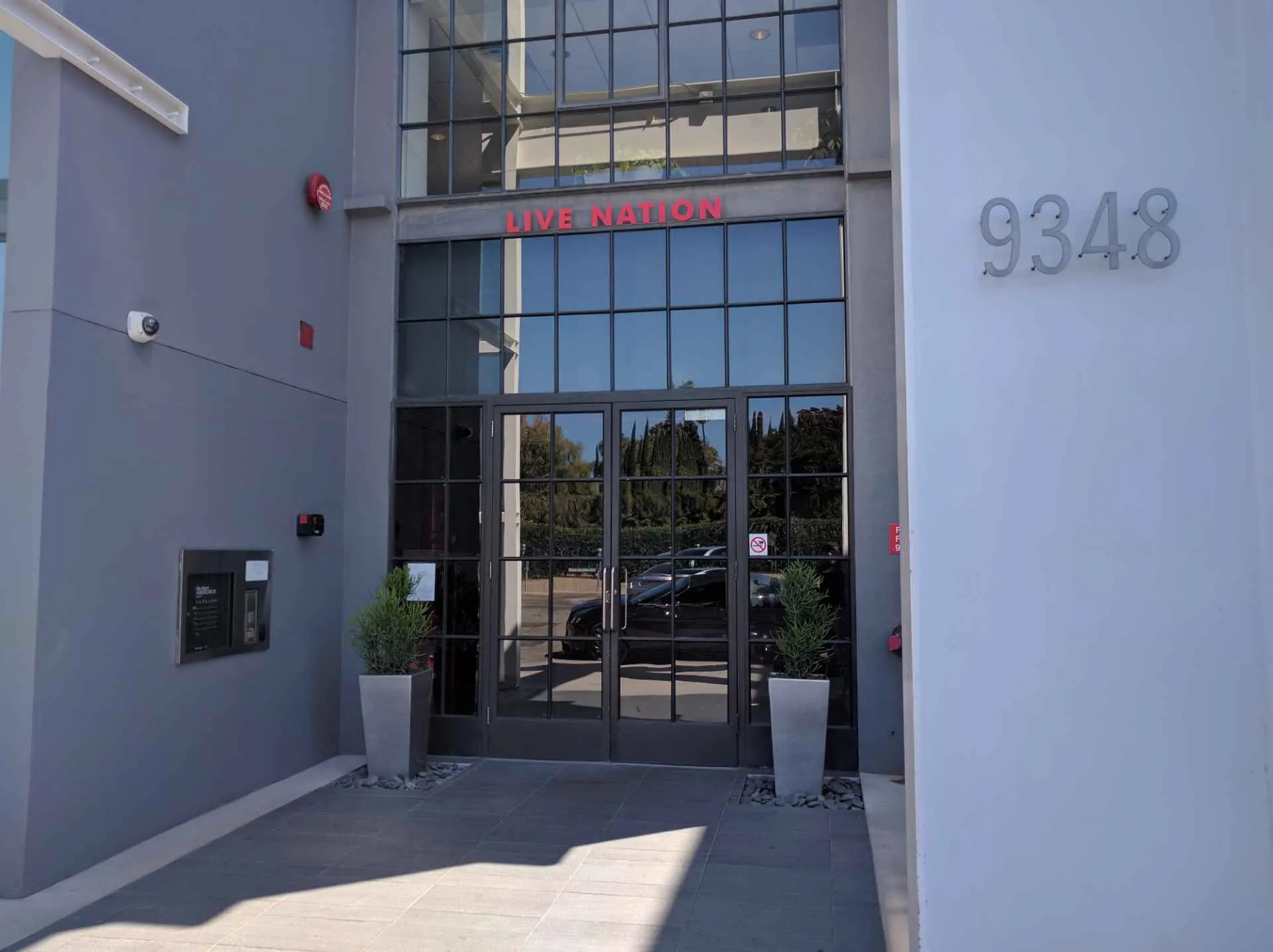
The April 15, 2026, jury verdict finding Live Nation and Ticketmaster guilty of operating an illegal monopoly brings decades of ticketing consolidation to a breaking point. A 2024 Department of Justice antitrust lawsuit sparked the trial, targeting a regulatory ecosystem that allowed the average global concert ticket price to reach $136.
That $136 figure—up 50% from $91 in 2019, according to a 2025 Goldman Sachs report—stems from aggressive dynamic pricing, unchecked service fees, and post-pandemic demand. Ticketmaster controls an 86% market share at major venues, giving the company unprecedented leverage to dictate terms across the live entertainment industry.
The Anatomy of a Profit Center
The structural roots of the pricing surge date back to 1982. Ticketmaster CEO Fred Rosen shifted ticketing from a simple cost center into a profit center by offering venues a cut of elevated service fees. That model scaled aggressively over the next three decades, culminating in the controversial 2010 merger with Live Nation, which the DOJ originally approved.
During the 2026 trial, evidence revealed Ticketmaster overcharged fans by $1.72 per ticket across 22 states. The April ruling leaves Live Nation facing hundreds of millions in potential damages. California Attorney General Rob Bonta praised the jury’s decision, calling it a “historic and resounding victory for artists, fans, and the venues that support them.”
The entertainment conglomerate is actively fighting the ruling. In July 2026, Live Nation and Ticketmaster filed post-trial motions asking US District Judge Arun Subramanian to either throw out the jury’s monopoly verdict or grant a new trial.
The Financial Fallout of Divestment
The immediate regulatory remedy forces Live Nation to divest 13 exclusive booking agreements with amphitheaters nationwide. While this introduces marginal venue competition, several holdout states are pushing for a total corporate breakup of the Live Nation and Ticketmaster entities.
Severing the promotion arm from the ticketing platform would fundamentally alter tour financing. However, Goldman Sachs projects ticket prices will still grow at a 7.2% compounded annual rate between 2024 and 2030. This projected increase is driven by the baseline production expenses required for modern stadium tours and a highly lucrative secondary resale market. Even if federal intervention lowers individual service fees, the core base cost of live entertainment remains permanently elevated.