
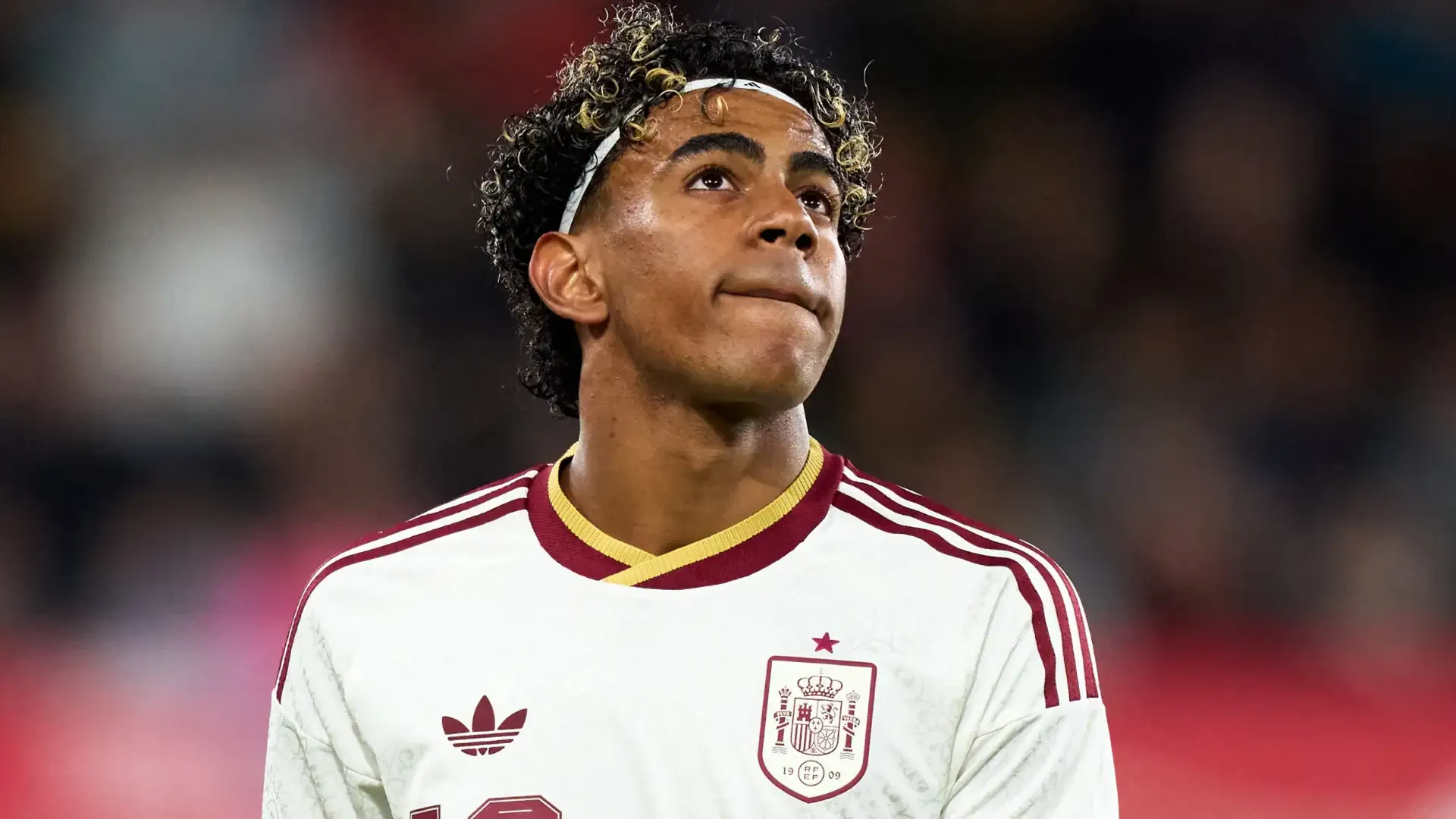
Lamine Yamal is locked in a high-stakes race against time to lead Spain’s attack for the 2026 FIFA World Cup following a hamstring injury that has officially ended his domestic season. The 18-year-old superstar suffered a left-leg hamstring tear against Celta Vigo in late April, forcing him to miss Barcelona’s final push for the La Liga title. While the injury caused panic among the Spanish faithful, club and national team medical staff are now working in a rare collaborative effort to ensure the teenager is physically ready for the June 11 tournament opener in North America. This move comes as major clubs and national federations face a breaking point regarding youth player burnout and the grueling global fixture schedule.
In an unprecedented move for Spanish football, Barcelona and the RFEF have finalized a formal agreement to strictly manage the winger’s playing time throughout the tournament. According to the terms of the workload pact, national team coach Luis de la Fuente has committed to using Yamal primarily as a restricted-minutes impact substitute during the opening group stage fixtures against Cape Verde and Saudi Arabia. The strategic plan is designed to build his match fitness gradually, ensuring he reaches 100 percent intensity for the high-stakes knockout rounds while avoiding a repeat of the physical collapses seen in other young stars. Spain’s medical team will remain in constant contact with Barcelona’s head coach Hansi Flick to share real-time biometrics and recovery data.
The teenager has notably sacrificed his post-season vacation to focus on a grueling recovery regimen at the Ciutat Esportiva. Under the watchful eye of specialist physiotherapists, Yamal is undergoing intensive strength training and hydrotherapy to reinforce his left hamstring before joining the national camp. This extreme caution is a direct response to the cautionary tales of Gavi and Pedri, whose careers faced significant hurdles after logging excessive minutes at a similar age. The stakes for the sports world’s most valuable teenage investment could not be higher as he looks to cement his status on the global stage next month.
The “Yamal Protocol” signals a major paradigm shift in the often-fractious relationship between elite European clubs and national federations. By prioritizing the long-term career of the player over immediate group-stage results, the RFEF is acknowledging the commercial and physical reality of the modern game. Historically, national teams have been criticized for “breaking” young talents during summer tournaments, but this cooperative agreement sets a new standard for how international football might operate in an era of 50-plus game club seasons. If successful, this minutes-managed approach could become the blueprint for protecting the next generation of elite athletes from early-career burnout.