
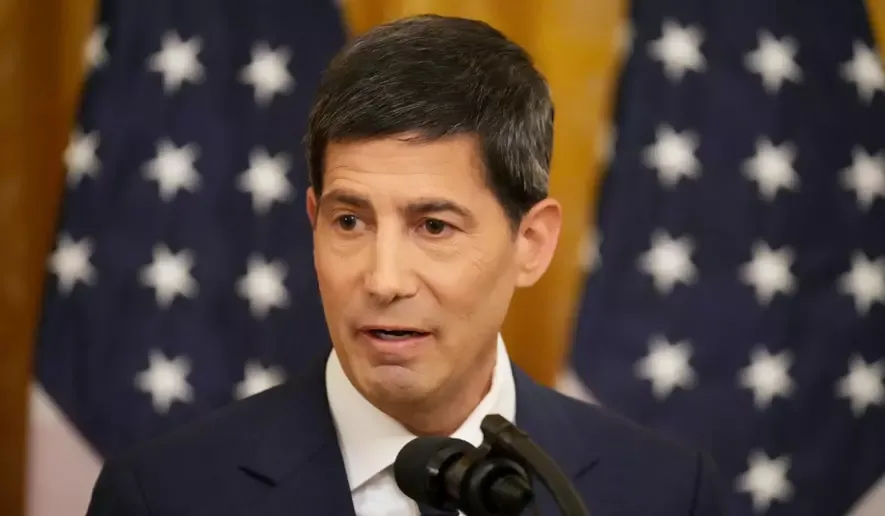
Federal Reserve Chair Kevin Warsh faces intense political scrutiny to slash borrowing costs, but a new economic report warns that maintaining the current monetary trajectory could stick American taxpayers with a $3 billion cost. The US economy is currently operating in a stagflation environment, combining sticky inflation with slowing broader economic growth.
In May, headline consumer prices rose 4.2% annually while the core index climbed 2.9%. The US labor market also added 172,000 jobs last month, surpassing economists’ expectations. These metrics suggest a modest interest rate hike is more probable than a cut before the end of the year, according to 24/7 Wall St.
Markets expect the Fed to hold its benchmark interest rate steady in the 3.50% to 3.75% range. Warsh is reportedly evaluating these price pressures through the Dallas Fed’s specific trimmed mean PCE measure. Cutting rates immediately carries a severe risk of reigniting inflation across the economy, a dynamic outlined by Crux Investor.
Billionaire investor Ray Dalio and his firm Bridgewater Associates publicly advised Warsh to ignore political demands for cheaper borrowing. Dalio warned that cutting rates now would severely damage the central bank’s credibility, as reported by NeoFeed.
How Warsh’s 2008 Experience Shapes Current Fed Policy
Warsh previously served as a Federal Reserve director between 2006 and 2011. During that tenure, he operated as a behind-the-scenes architect of the 2008 Wall Street bailout. Now, the combination of 4.2% headline inflation and unexpected job growth shifts his immediate policy away from easing.
The $3 billion potential taxpayer burden reflects the high cost of maintaining elevated interest rates to suppress inflation. This ties the Fed’s current 3.50% to 3.75% target directly to government debt servicing costs, forcing Warsh to prioritize inflation containment over immediate fiscal relief.