
Keir Starmer’s Labour government is reeling from a massive council wipeout as early results from the 2026 local elections signal a crushing mid-term verdict. This collapse happens against a backdrop of public fury over soaring energy costs, controversial tax hikes, and the escalating diplomatic fallout from the US-Iran military conflict in the Gulf. The first official results declared on Friday morning show Labour has already lost control of several key strongholds. Tameside, Tamworth, Hartlepool, Redditch, and Exeter have all slipped from the party’s grasp. Early counts show Labour losing over 120 seats as voters pivot toward smaller parties.
Nigel Farage’s Reform UK is the primary beneficiary of the protest vote. The party has already gained 163 seats in the initial tallies. This performance far exceeds early polling expectations and puts significant pressure on the government’s immigration and economic policies. Reform UK candidates are picking up disillusioned voters in former industrial heartlands where Labour was expected to hold firm. The surge is being treated by political analysts as a rejection of the government’s recent fiscal updates and its handling of the energy crisis triggered by Middle Eastern instability.
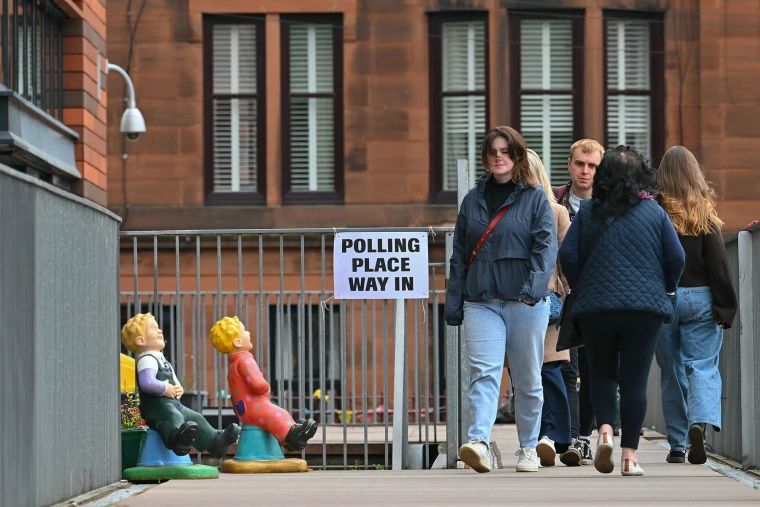
In the capital, voters are deciding the fate of 1,817 council seats across 32 boroughs. The London-specific borough counts also suggest a high level of dissatisfaction with the status quo. The Liberal Democrats maintained a dominant position in Richmond, winning all 54 seats on the council. Meanwhile, the Green Party successfully seized seats from Labour in Oxford. Five London boroughs are also electing executive mayors, with results expected to trickle in throughout Friday and Saturday. Polling stations across London saw steady turnout despite the broader national mood of voter apathy.
The political shift is sending ripples through the financial sector. Analysts warn that a total collapse of the Labour vote could lead to a formal leadership challenge within the party. There are growing concerns about the financial market reaction and the stability of UK government bonds. Traders are closely monitoring the results for signs of a possible change in government direction or a move toward more populist economic spending to win back voters before the next general election. If the losses continue at this pace, Starmer may face an immediate crisis of authority from within his own cabinet.
How a Labour Leadership Challenge and Gilt Yield Spikes Threaten the Starmer Ministry
The scale of these losses suggests a paradigm shift in British politics that mirror the historic 2008 mid-term correction. This is not just a protest vote; it is a structural realignment where Reform UK is effectively cannibalizing the Labour base. The specific takeaway for investors and policy experts is the immediate threat to UK Gilt yields. City analysts are already pricing in political instability, with rumors of a leadership challenge led by figures like Andy Burnham becoming a credible market risk. This election proves that the “Starmer honeymoon” is over, and the government now lacks the mandate to push through further tax increases without risking a total parliamentary revolt. The rise of the Liberal Democrats in wealthy London suburbs combined with the Reform surge in the north leaves Labour with no safe ground to retreat to.