
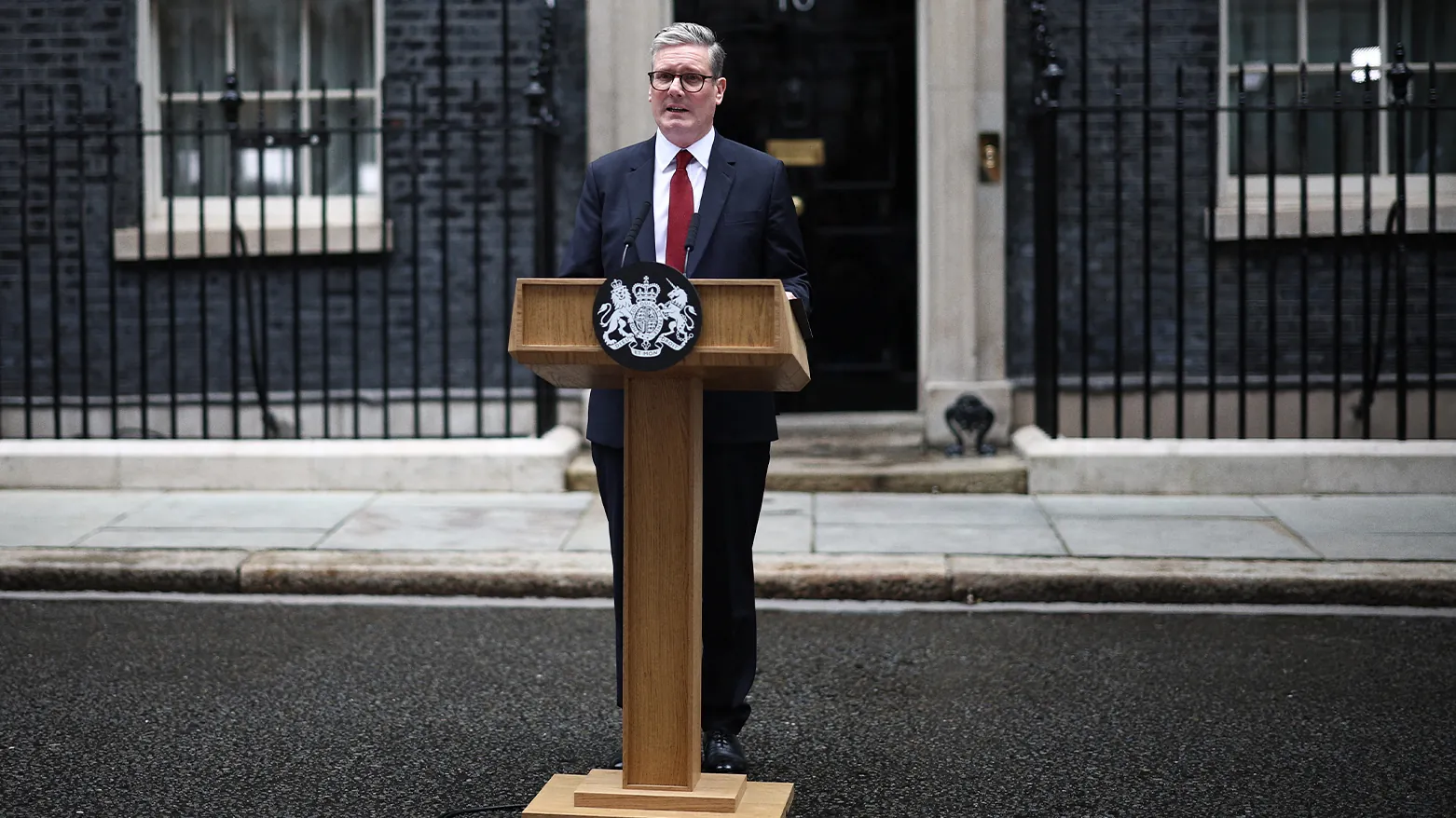
The British political map fractured completely this week as decades of two-party dominance collapsed under massive voter realignments. Prime Minister Keir Starmer is now navigating an open party revolt after Labour suffered devastating, unprecedented losses across England, Wales, and Scotland in the 2026 local elections. The traditional working-class vote splintered to the populist right, while urban progressives defected heavily to the Greens.
The scale of the defeat is historic. As final tallies solidified on Friday, Labour had dropped more than 800 council seats. The party lost control of roughly 20 councils in England alone. The dual-flank attack left party leadership scrambling.
The most shocking political earthquake happened in Wales. Welsh Labour leader and First Minister Eluned Morgan lost her own seat in the Senedd. The results pushed Labour into a disastrous third place behind Plaid Cymru and Reform UK. It marks the first time Labour has been ousted from power in the Welsh Senedd since devolution began in 1999.
Nigel Farage’s Reform UK capitalized aggressively on the vacuum. The insurgent party secured over 1,100 council seats nationwide. They took outright control of traditional Labour heartlands like Newcastle-under-Lyme and Hartlepool. This populist surge mirrored isolated local revolts across the country, where hyper-local coalitions executed a historic clean sweep to wipe out entrenched incumbents.
Labour bled just as heavily on its left flank. The Green Party captured a majority on the Hackney council. This victory effectively pushed Labour out of power there for the very first time since 2002. North of the border, the collapse continued. Labour slumped to third place in Scotland, falling behind Reform UK and the Scottish National Party, which extended its 19-year rule.
The immediate fallout threatens the highest levels of Labour leadership. Over a dozen Labour MPs are currently calling for Starmer’s immediate resignation. Meanwhile, Greater Manchester Mayor Andy Burnham is reportedly positioning himself for a return to Westminster to launch a potential leadership challenge.
How the 2026 Wipeout Forged England’s Five-Party System
The underlying mechanics of British elections are now fundamentally altered. This is no longer a temporary protest vote. Analysts note the aggressive splintering of Labour’s coalition confirms a structural shift in English voter behavior and the emergence of a five-party political landscape.
By losing the working-class bedrock to Reform and the young progressive block to the Greens simultaneously, the traditional strategy of holding a broad centrist coalition is failing. The 2026 results prove that regional, highly targeted factions can successfully dismantle national party machines. The threshold for minority parties to seize absolute control of local governance has permanently lowered.