
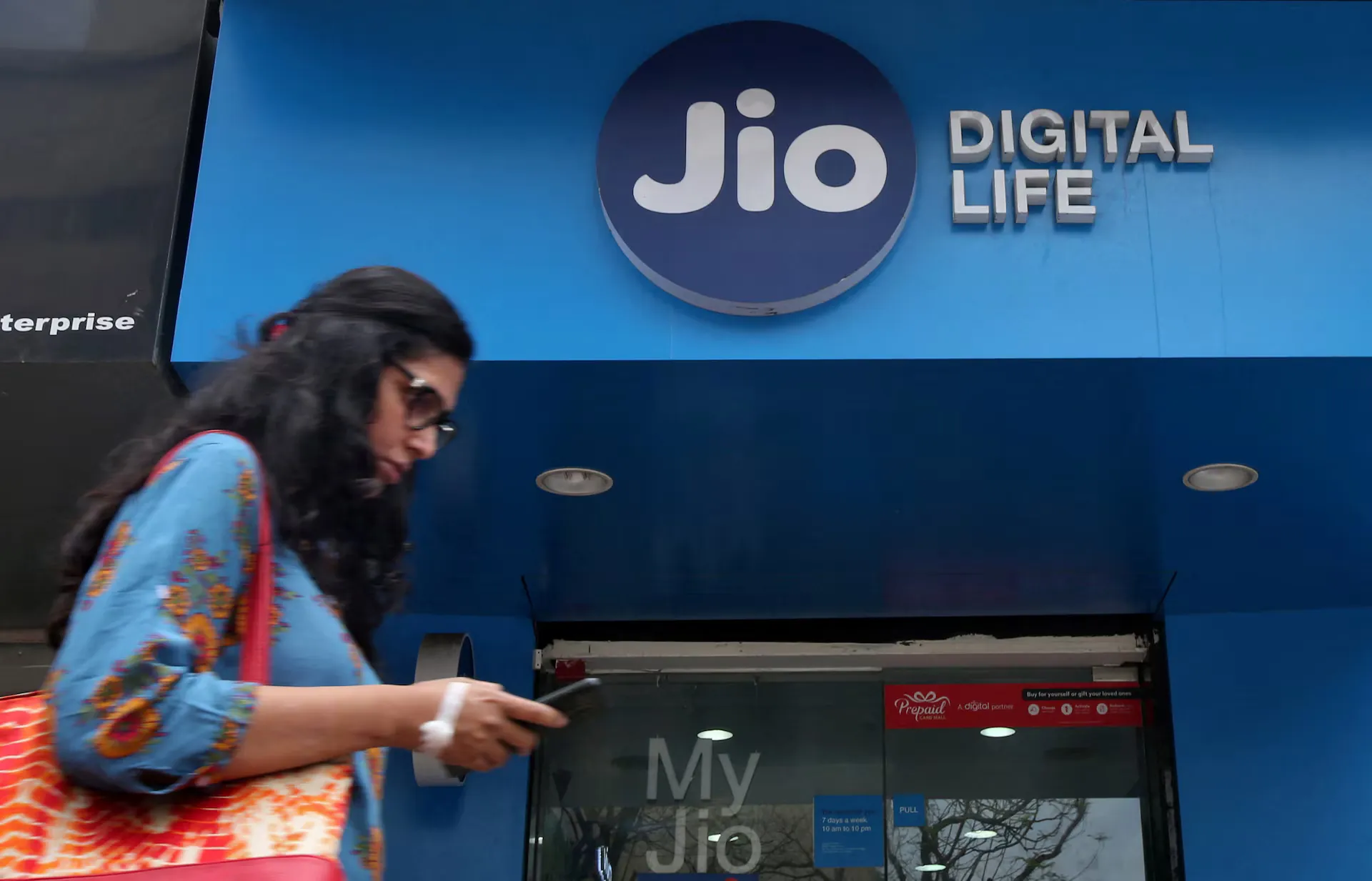
Indian consumers are completely exhausted from juggling half a dozen expensive streaming subscriptions just to watch their favorite shows. The telecom streaming war is heating up as networks try to lock in users with aggressive content bundles to fight off this extreme subscription fatigue. Now, Reliance Jio just threw a serious punch into this market by launching the “Jio OTT Pass,” priced at a highly disruptive Rs 200.
The new 28-day validity pack bundles access to 15 premium OTT applications and over 1,000 live TV channels directly through JioTV. Users get access to a heavyweight lineup of premium content, including ad-free streaming and background play on YouTube Premium, alongside JioHotstar Mobile + Hollywood, Amazon Prime Video’s Mobile Edition, ZEE5, and SonyLiv.
This isn’t just about video. The pass heavily incentivizes high network consumption by including 30 GB of high-speed data and unlimited 5G access that runs parallel to the user’s active base plan. Telecom operators are increasingly leaning on these content bundles to boost user engagement amid recent subscriber growth. By repackaging video streaming, live television, and fast connectivity into a single product, Jio is offering an estimated Rs 1,500 in standalone monthly value for a fraction of the cost.
Technically, this launch is a strategic revamp of Jio’s earlier Mega Content Add-On Pack, built to adapt to how people actually consume media on their phones today. The timing is incredibly deliberate. As Jio pushes this aggressively priced bundle, rival Vodafone Idea is desperately expanding its 5G footprint to 20 cities in Gujarat to retain relevance. Meanwhile, Airtel is currently fighting through regulatory scrutiny over a controversial 5G priority plan that Jio actively challenged.
How the Jio OTT Pass Forces Airtel and Vi to Rethink Bundling
This Rs 200 bundle changes the fundamental math for Indian telecom users. By successfully aggregating 15 major streaming platforms under one billing cycle, Jio is training its subscriber base to view standalone app subscriptions as financially inefficient. If a user can get their data, live television, and core streaming services like YouTube Premium and Prime Video for the cost of a single movie ticket, they have zero incentive to pay for these apps separately.
This puts immediate, heavy pressure on competitors like Airtel and Vi. To stop users from porting out, rival networks now have to negotiate similar aggressive licensing deals with content providers. The Indian telecom battle is no longer just about who provides the fastest 5G signal; it is entirely about who controls the cheapest gateway to premium mobile entertainment.