
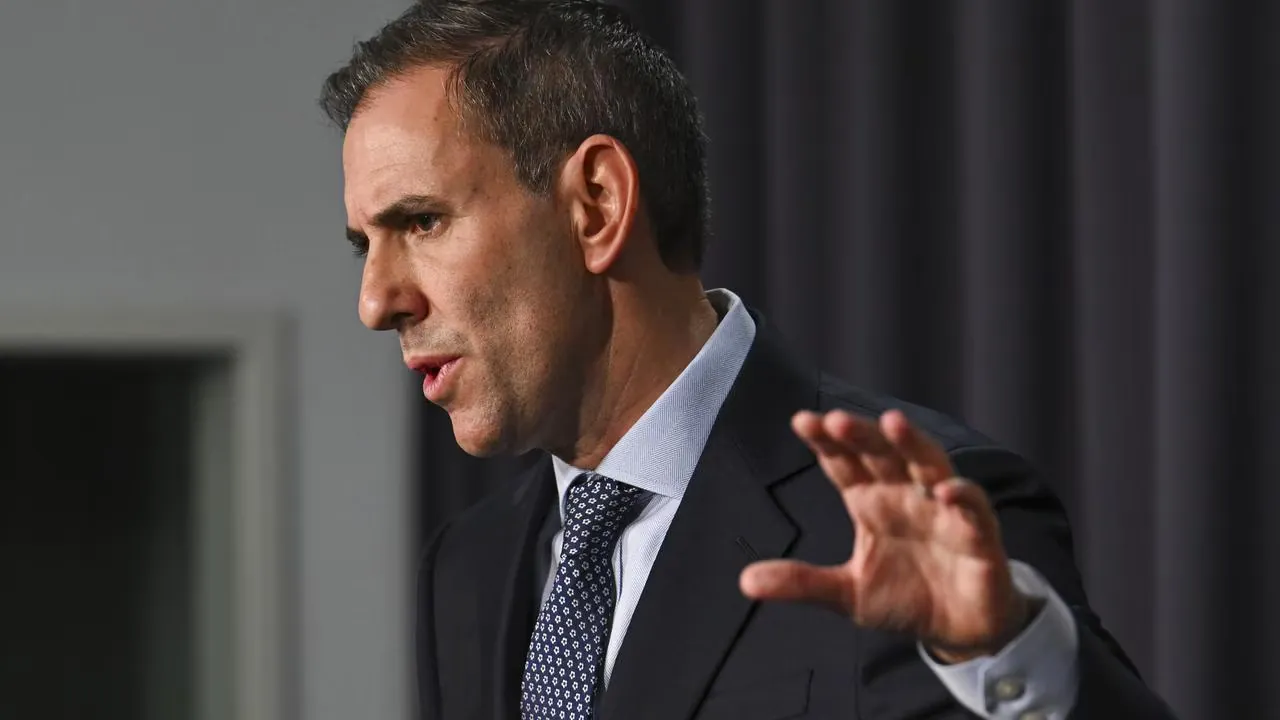
Australia is pivoting its entire economic strategy as the 2026 Federal Budget attempts to navigate a global energy crisis triggered by the ongoing war in Iran. Treasurer Jim Chalmers and Prime Minister Anthony Albanese hit the media circuit Wednesday morning to defend a high-stakes gamble: the dismantling of the country’s long-standing property tax concessions to address a staggering housing deficit. The move comes as soaring global oil prices threaten to push domestic inflation toward 7%, forcing the government to find structural savings while simultaneously attempting to house a generation of locked-out renters.
The budget officially scraps negative gearing for established properties and replaces the 50% Capital Gains Tax (CGT) discount with standard indexation. These changes are scheduled to take effect on July 1, 2027, though properties purchased before budget night will be grandfathered under existing rules. New builds remain exempt from the new restrictions. Prime Minister Albanese told the Today show that the decision was driven by the reality that an entire generation faces a lifetime of renting without drastic intervention. The gamble is massive. The government is essentially betting its political future on a housing tax raid that critics claim will devastate investor confidence.
Coalition Vows Immediate Repeal as Political Battlelines Harden
Opposition leaders wasted no time launching a counter-offensive. Shadow Assistant Treasurer Tim Wilson confirmed the Coalition’s primary objective is to block the legislation in parliament, describing the policy as an attack on aspiration. Wilson stated that the Coalition would fully repeal the negative gearing and CGT changes if they win the next election. This sets up a definitive “referendum on property” for the upcoming voting cycle. Barnaby Joyce joined the fray, dismissing the government’s claims as a fallacy that would destroy the inspiration for Australians to build wealth through property.
Chalmers remains undeterred. Speaking to ABC News Breakfast, the Treasurer argued that negative gearing will naturally phase out of the financial system over the next five to ten years. He expects grandfathered properties to eventually transition into positive gearing or be sold, slowly removing the tax burden from the federal books. According to detailed reporting on the tax reform, Treasury modeling suggests these shifts could help approximately 75,000 first-time buyers enter the market over the next decade.
Market Volatility and the Inflationary Pressure of War
The decision to act now is inseparable from the geopolitical instability in the Middle East. With Treasury preparing for worst-case scenarios where oil hits $200 a barrel, the Albanese government has abandoned traditional pre-election spending. Instead, they are aggressively pursuing revenue-raising measures to buffer the economy against external shocks. This fiscal conservatism marks a sharp departure from past Australian budget cycles, trading immediate voter popularity for long-term structural repair.
The Death of the Sacred Cow: Why the Property Investment Paradigm Just Shifted
For decades, negative gearing and the CGT discount were considered untouchable “sacred cows” of Australian politics. The 2026 budget represents the first time a major party has successfully moved to slaughter them since the reforms of the John Howard era. This is not just a tax tweak. It is a fundamental paradigm shift that signals the end of the federal government’s role in subsidizing property speculation over owner-occupation.
The specific focus on “established properties” creates a clear incentive structure. By keeping new builds exempt, the government is trying to funnel investor capital into actual construction rather than the trading of existing stock. If the Treasury modeling holds, the shift will diminish the competitive advantage investors held over first-time buyers at weekend auctions. However, the risk of a “capital strike”—where investors flee the market entirely—remains a potent threat to rental supply in the short term. Whether this move tames the housing crisis or merely triggers a different kind of economic pain will depend on how quickly the market adapts to an Australia without its most famous tax loophole.