
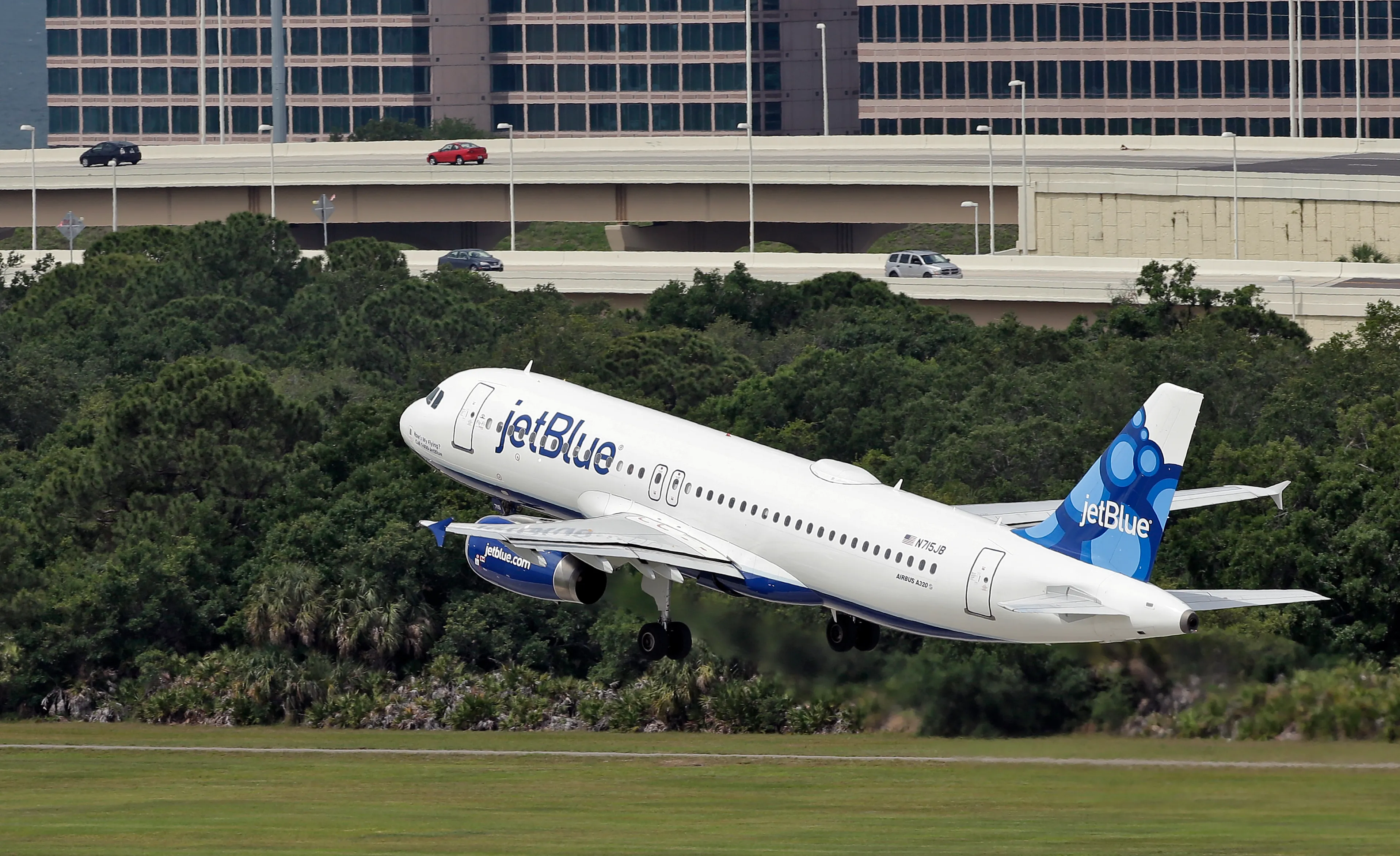
JetBlue Airways is abandoning its flight attendant and technical operations bases at Newark Liberty International Airport as part of a network reduction across the New York area. The sudden operational shift is driven by the collapse of Spirit Airlines last month, which left a substantial market void in Florida. To capitalize on the opening, JetBlue is pulling aircraft from expensive Northeast hubs to fuel an 11-route expansion out of Fort Lauderdale.
The consolidation includes the immediate suspension of 10 routes, with Newark bearing the brunt of the cuts. Flights to leisure destinations such as Aruba, Cancún, Punta Cana, and Tampa are being dropped entirely from the New Jersey airport.
JetBlue’s retreat from Newark yields immediate ground to United Airlines, which maintains strict control over the congested hub. Rather than fighting for market share in an expensive environment, JetBlue is directly targeting displaced Spirit Airlines passengers. The carrier is offering a direct loyalty tier exchange for former Spirit Silver and Gold members, according to a company press release detailing the route expansion.
The pivot accelerates JetBlue’s focus on South Florida. By reallocating these resources, the airline will operate nearly 130 daily departures from Fort Lauderdale-Hollywood International Airport this summer. The schedule marks a 75% increase in daily flights compared to 2025 and establishes the largest operation in the company’s history from the airport.
What JetBlue’s Exit Means for Newark Capacity and Florida Market Share
The departure of JetBlue’s tech and crew bases from Newark eliminates a key low-cost competitor at one of the country’s most expensive transit points. United Airlines stands to absorb the abandoned passenger volume on Caribbean and domestic leisure routes.
In Florida, JetBlue’s rapid 11-route deployment prevents competing ultra-low-cost carriers from establishing a monopoly on the capacity Spirit vacated. By matching loyalty tiers, JetBlue is attempting to lock in recurring revenue from budget-conscious flyers who suddenly lost their primary carrier.