
A 7.1 magnitude earthquake hit Japan’s southern Kyushu island on Tuesday afternoon. At least three people are dead. Dozens remain trapped under collapsed buildings. The tremor struck at 4:27 p.m. local time near Kumamoto. It buckled elevated highways and triggered a temporary tsunami warning for the western coast. Those tracking the japan earthquake today watched rescue crews scramble to reach victims trapped inside a crushed mall.
The Japan Meteorological Agency recorded the quake at a depth of 10 kilometers. They rated it at the maximum level of seven on the country’s Shindo intensity scale. The initial jolt caused immediate destruction. And a severe 6.1 magnitude aftershock at 5:08 p.m. further complicated rescue efforts. Authorities warned residents about future risks. They flagged that this major earthquake japan suffered could bring similar tremors over the next week.
Mall and Factory Collapses Trap Dozens
The most severe devastation occurred in Kashima Town. The second floor of a large Aeon Mall collapsed onto shoppers. A massive explosion tore through the facility immediately afterward. Authorities suspect a ruptured gas line caused the blast. Broadcaster TBS reported that many people are feared dead inside the ruins. Rescue teams managed to pull four injured individuals from the rubble. But at least 10 employees remain completely unaccounted for.
Industrial facilities in the region also sustained heavy damage. A massive chimney at the Nippon Paper Industries factory in Yatsushiro collapsed. It initially trapped 11 workers under the debris. Emergency responders found two individuals without vital signs at the site. The total death toll includes at least one resident crushed in their home. The Hindu verified that detail in its coverage of the region’s recent tremors.
Medical centers across Kumamoto and Nagasaki prefectures are overwhelmed right now. One hospital in Yatsushiro took in approximately 40 injured residents. Another in Kumamoto city absorbed 50 patients—many of them are in serious condition.
Mass Evacuations and Infrastructure Failures
The Fire and Disaster Management Agency instructed roughly 300,000 residents to relocate to designated evacuation centers. Prime Minister Sanae Takaichi authorized the immediate deployment of a heavy military presence. The Guardian confirmed 3,600 soldiers mobilized for recovery operations in a detailed report. The US Geological Survey later revised the initial magnitude reading to 6.8. The physical impact on the ground hasn’t changed.
Basic utilities and transit networks are entirely fractured. Kyushu Electric Power reported 48,000 homes lost electricity, and telecom operators KDDI and Docomo experienced widespread service blackouts. Shinkansen bullet trains suspended operations across Kyushu. A cargo train even derailed completely at Yatsushiro station. Officials closed the runway at Aso Kumamoto Airport. They don’t have a timeline for when flights will resume.
So the economic disruption extends far beyond local transit. Major manufacturers like TSMC, Sony, and Fujifilm immediately evacuated staff. They halted operations at nearby facilities. These supply chain interruptions arrive during a chaotic week for global emergency response networks. European authorities are currently battling unprecedented wildfires that require massive civic interventions.
Japan’s Nuclear Regulation Authority confirmed that three nearby nuclear power plants reported no abnormalities. The IAEA also found no damage at the Sendai nuclear facility. Emergency personnel aren’t focused on that right now. Their immediate goal remains extracting those still trapped under the concrete.
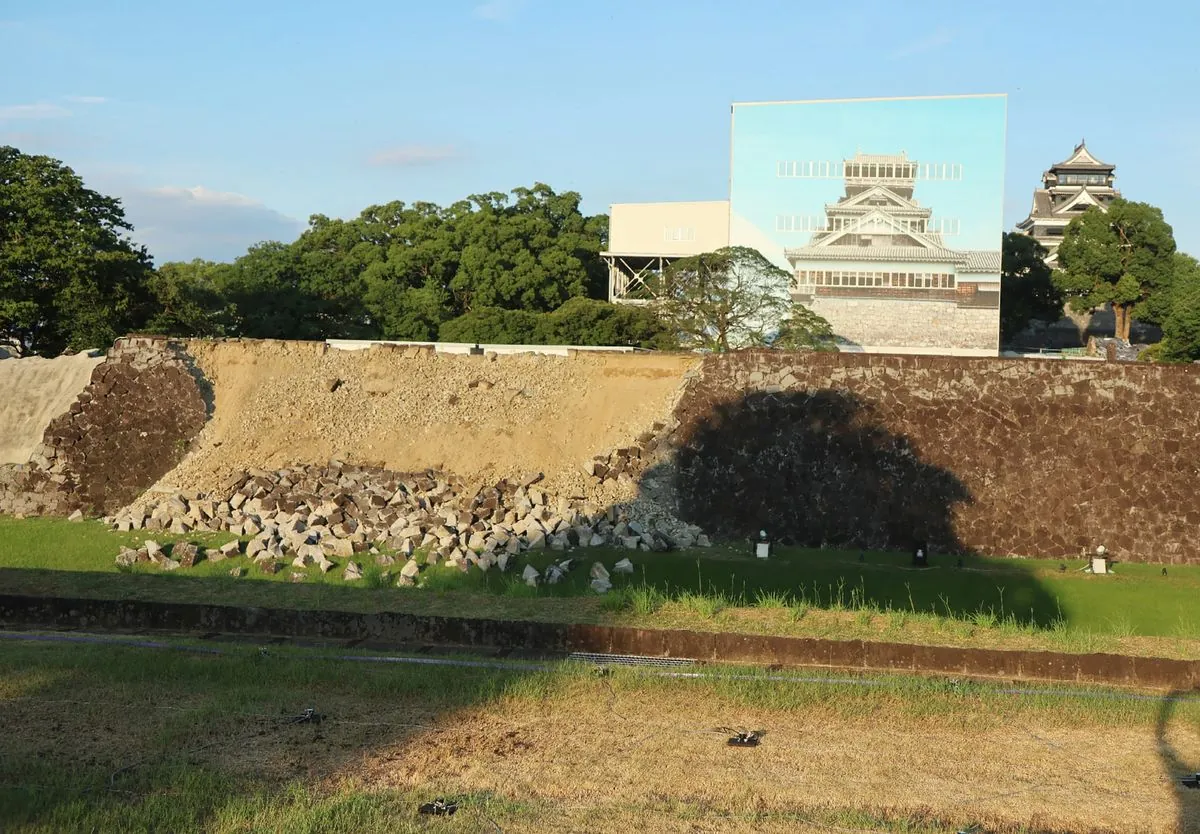
Kumamoto is uniquely vulnerable to tectonic shifts. The city is still rebuilding from a deadly 7.3 magnitude earthquake in 2016 that killed over 270 people. Prime Minister Takaichi noted the painful history. She stated the area was “devastated by a deadly quake a decade ago” as military personnel continue searching through the debris for what they were looking for.