
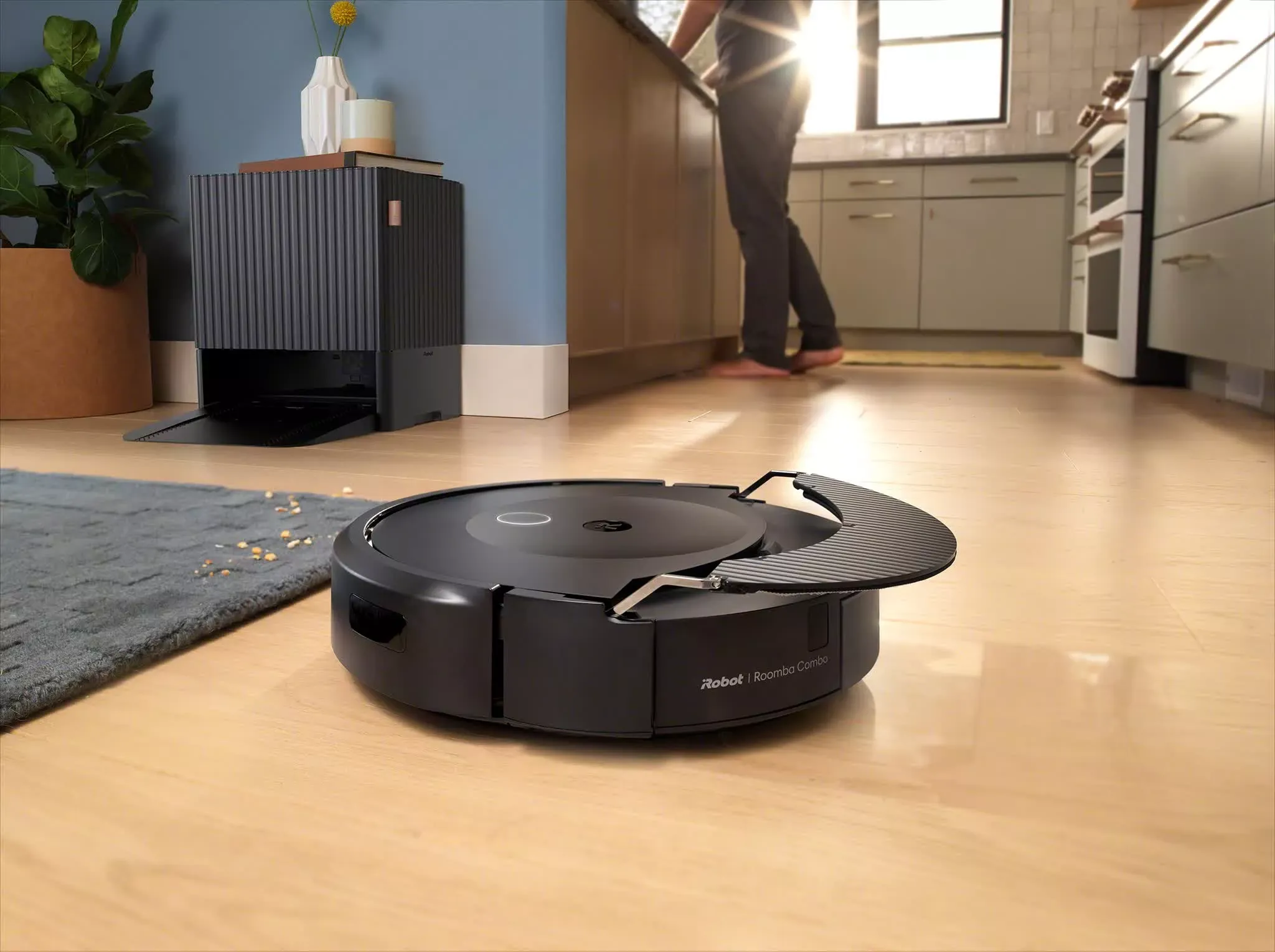
As global inflation spikes due to the ongoing war in Iran and massive forex drains hit consumer spending power, the tech world is pivoting toward affordability. iRobot is meeting this economic crunch head-on with a massive new lineup of seven robot vacuums. They are smaller. They are cheaper. And they might finally fit under your dresser without getting stuck.
The core of this fresh technology launch is a radical rethink of the robot vacuum footprint. Most of these new machines are roughly 25% smaller in total volume than the older, bulkier Roombas we are used to. With heights dropping to just 9 centimeters, these pucks can glide under furniture that used to be a graveyard for dust bunnies. iRobot is clearly moving away from the expensive, oversized units of the past to win over budget-conscious buyers.
Seven New Models for Every Budget
The new range starts with the ultra-affordable Roomba 115. According to Tom’s Guide, this entry-level model packs 15,000Pa of suction power despite its tiny frame. It is the perfect fit for small apartments or dorm rooms where space is at a premium. From there, the mid-tier Plus series introduces hot water mopping and roller technology for deep floor cleaning.
The pricing strategy is aggressive. The entry-level 115 model starts at just £229. If you want the top-of-the-line experience, the Roomba Max 775 Combo peaks at £799. This massive rollout of seven models at once shows that iRobot is done playing defense against cheaper overseas competitors. They are flooding the market with options that actually fit the modern, smaller home.
Power and Precision in a Smaller Shell
Do not let the smaller size fool you. The flagship Max 715 and 775 Combo models are absolute monsters when it comes to performance. They deliver 30,000Pa of suction. That is enough power to pull dirt out of the thickest carpets. They also use improved AI visual recognition. This means they can dodge pet waste and charging cables with much higher accuracy than previous generations. They are smarter, faster, and much less likely to require a human to rescue them from a tangled mess.
How iRobot’s Shrinking Footprint Challenges Chinese Smart Home Rivals
This launch marks a total break from the design legacy left by co-founder Colin Angle, who recently moved into the world of AI robot pets. For years, the industry followed a “bigger is better” mantra to fit in larger batteries and dust bins. But that created a problem for users with modern, cramped living spaces. By shrinking the hardware by a full quarter, iRobot is effectively ending the era of “robot-proofing” a home.
This move is a direct strike at Chinese competitors like Roborock and Dreame. Those brands have dominated by offering high specs at lower prices, but they often struggle with the sheer physical height of their advanced LIDAR towers. By keeping these new Roombas low-profile and pricing them as low as £229, iRobot is reclaiming the entry-level market. It is a paradigm shift from luxury appliance to essential household tool that reflects the tight budgets of 2026.