
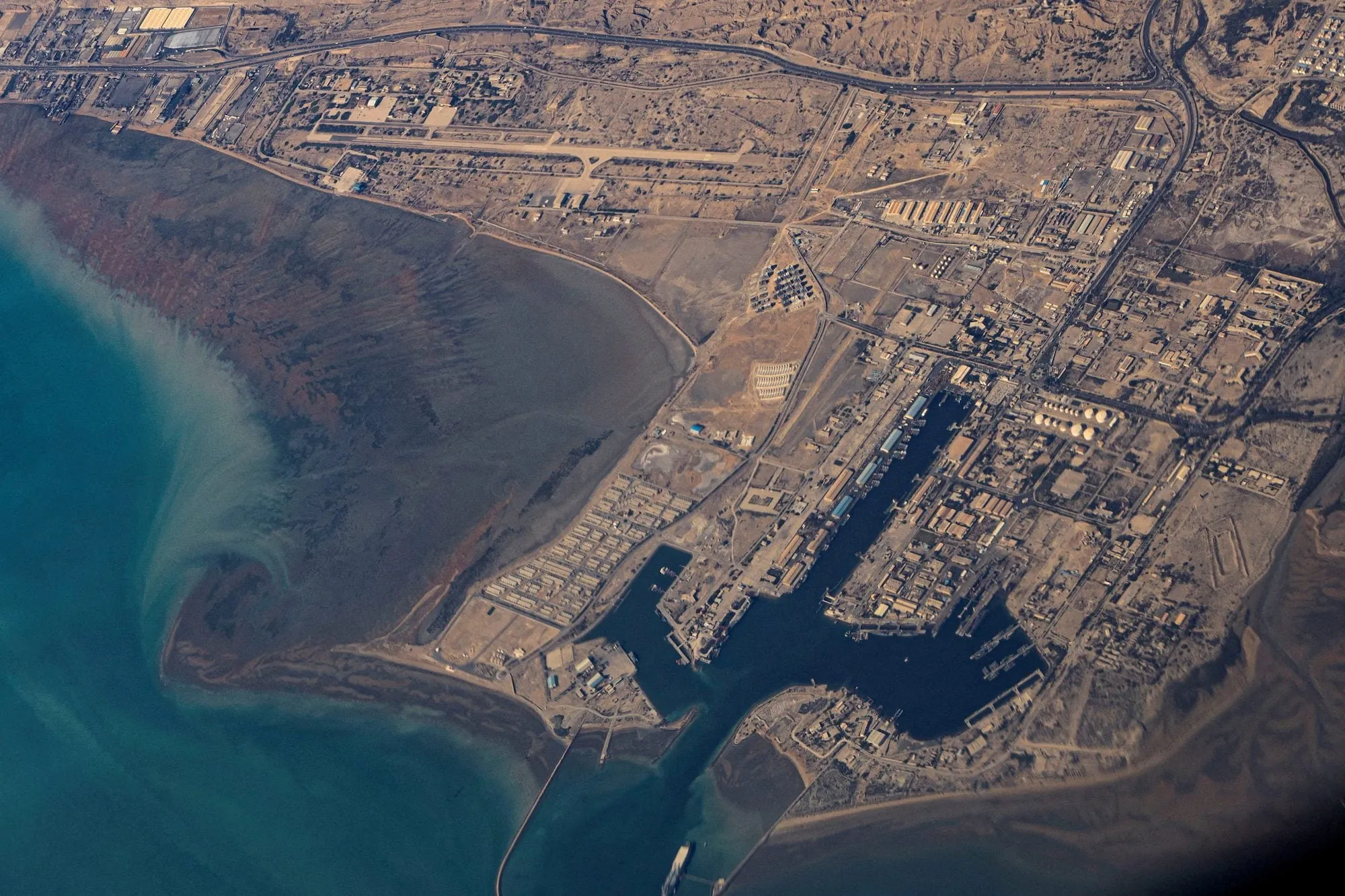
Global energy markets braced for severe disruptions Thursday after Iran’s Islamic Revolutionary Guard Corps targeted a U.S. airbase following heavy American airstrikes near Bandar Abbas. The military escalation occurred amid a prolonged diplomatic collapse over control and transit authority in the Strait of Hormuz, where negotiations regarding post-war administration and proposed Iranian toll-collection powers recently fell apart.
Following the exchange of strikes on Wednesday night, international energy indices reacted sharply. The retaliatory IRGC strike against a U.S. airbase following the Bandar Abbas raids caused Brent Crude to surge to $98 per barrel, an increase of 3.60%. WTI Crude simultaneously climbed 3.70% to trade near $92 per barrel, instantly renewing concerns regarding global inflation and a prolonged energy crisis.
Washington and Tehran have engaged in a series of reciprocal operations aimed at degrading naval and drone capabilities along the critical maritime chokepoint. The ongoing energy instability driven by this conflict previously forced the International Energy Agency to orchestrate a 400-million-barrel emergency release from global reserves, drawing heavily from the U.S. Strategic Petroleum Reserve to stabilize markets.
Diplomatic interventions led by Pakistan and concurrent peace talks in Doha have repeatedly failed to secure a lasting ceasefire between the two nations. Iran continues to demand the IRGC retain coordination authority to levy tolls on Gulf exporters. The U.S. government firmly rejects that stipulation, leaving commercial shipping operators to route vessels through an active military zone.