
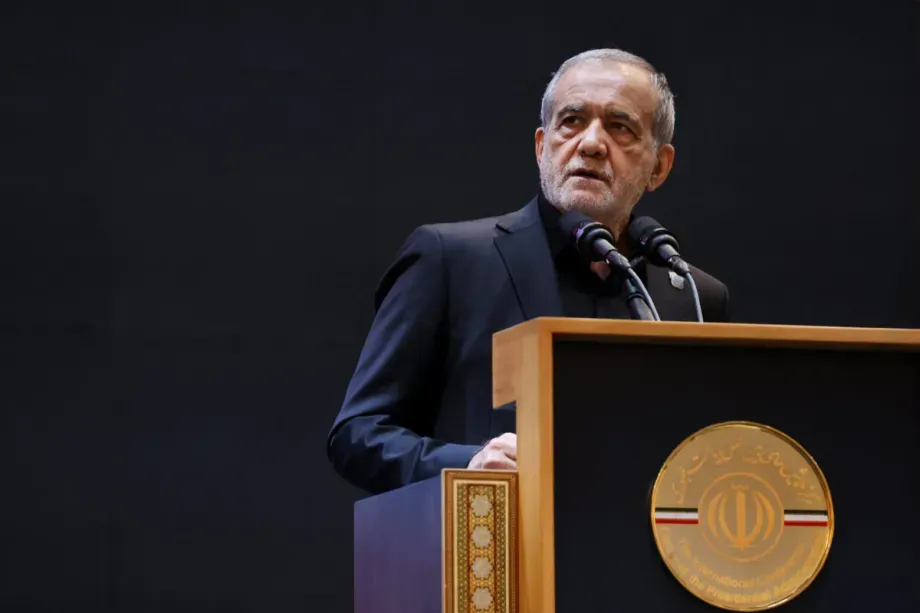
The Iranian government has formally rejected a U.S. ceasefire proposal meant to halt the escalating regional war triggered by the collapse of the Islamabad Accord. Iraqi Prime Minister Ali al-Zaidi delivered the offer during his first official state visit to Tehran since taking office in May. He met directly with Iranian President Masoud Pezeshkian, but the negotiations quickly stalled.
Following the diplomatic breakdown, the U.S. military launched strikes on Iranian targets for the 13th consecutive night. The rapid pace of the conflict has global energy markets reacting aggressively. Brent crude oil prices surged past $100 a barrel for the first time in over two months amid ongoing blockades in the region.
Iranian officials confirmed they walked away from the temporary agreement because it failed to address the final status and control of the Strait of Hormuz. The waterway remains a severe flashpoint. Iran’s continued attacks on commercial shipping vessels have severely restricted maritime traffic, leading to the diplomatic stalemate over the U.S. proposal.
In response to the economic disruption, President Donald Trump announced the United States intends to use frozen sovereign Iranian assets to compensate for any damages sustained by targeted ships and cargo. This aggressive financial escalation comes just as Brent crude breached $100 per barrel on the global market.
The administration is now grappling with the logistical strain of a sustained air campaign. The current operational tempo is raising internal concerns regarding the rapid depletion of advanced air-defense interceptors and precision-guided weapons. To maintain pressure, the U.S. military is deploying B-1 bombers from bases in the United Kingdom while simultaneously increasing medical readiness deployments in Germany.