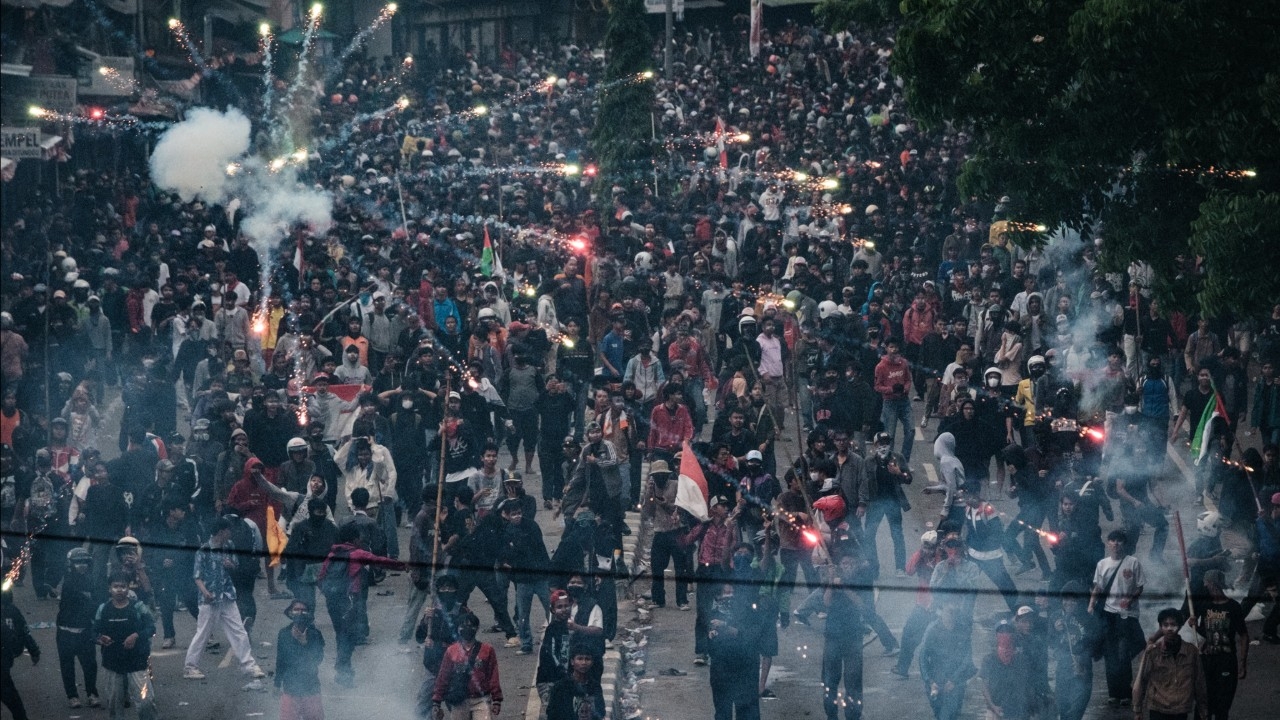
Thousands of workers recently flooded the streets of Jakarta, gathering right outside the nation’s parliament building. They came with clear demands. They want higher pay and an end to how things are done, especially regarding special benefits for politicians. The air was thick with their chants and calls for change.
The protests, reported by the Jakarta Post on August 28, 2025, show deep frustration. Workers are tired of low wages. They also oppose the widespread use of outsourcing. The Indonesian Labor Federation and the Labor Party led these powerful demonstrations. They are pushing the government hard to fix labor laws and reform the tax system for workers.
One big demand is to stop outsourcing jobs completely. The workers also want an end to large-scale layoffs. They are asking for a special group to be set up. This group would keep a close eye on job cuts. They hope this will protect more people’s livelihoods.
Workers are also looking for a fairer tax system. They want the amount of money you can earn before paying taxes to increase. The new limit they suggest is 7.5 million Rupiah each month. That’s about 10,600 Thai Baht. They also believe severance pay, holiday bonuses, and retirement savings should not be taxed.
Beyond wages and taxes, the protesters are pushing for bigger legislative changes. They want parliament to pass new labor laws. They also seek a law that would take away assets from those convicted of corruption. Lastly, they are calling for changes to election laws before the 2029 general election.
A major point of anger for the crowd is the special perks given to members of parliament. Besides their regular salaries, these 580 lawmakers reportedly get a housing allowance of 50 million Rupiah every month. This amount, close to 100,000 Thai Baht, is almost ten times the minimum wage in Jakarta. This stark difference has fueled much of the public’s outrage.
Under intense pressure from the workers, the House of Representatives recently responded. They clarified that this particular housing allowance for lawmakers will only continue until October. It’s a small victory for the workers, but the bigger fight for fairness continues.