
Indonesia’s highest court has given its blessing to a controversial change in military law. This ruling allows more military officers to take on civilian government jobs. The decision, announced by the Constitutional Court, lets a revised law passed by parliament earlier this year stand, despite loud objections from human rights groups and student activists.
Critics had argued the law was rushed through without proper public discussion or transparency. They filed five separate challenges, saying the process was flawed. These groups pointed out that members of parliament met in secret to discuss the changes and hurried the law into effect.
The Indonesian government approved the updated National Armed Forces Law (known as UU TNI) back on March 20. Ever since, various civic groups and academic experts have voiced their concern. They see this law as giving the military too much influence over the country’s political life.
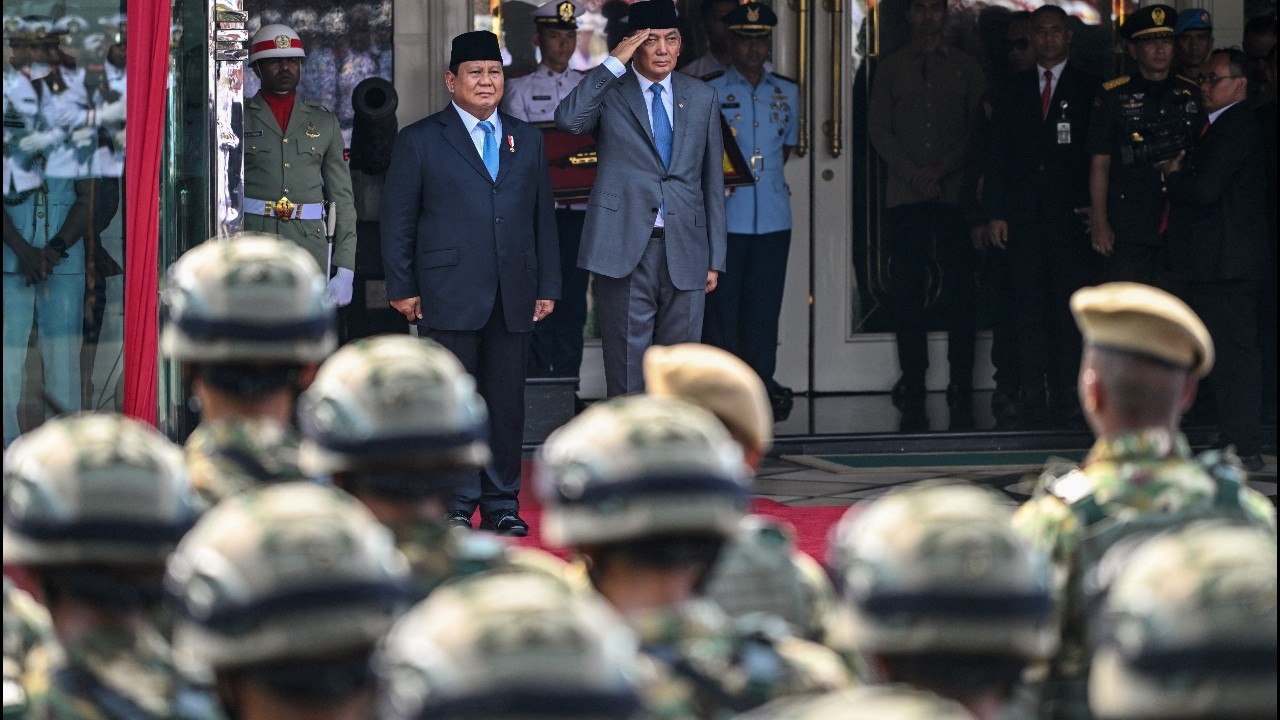
People in Indonesia are increasingly worried that President Prabowo Subianto, a former special forces commander, is relying more and more on the military to push his plans. This concern comes just 11 months into his presidency. Many see it as bringing back memories of the “New Order” era, a military-led government that ruled from 1966 to 1998.
During his time in office, President Prabowo has put former generals into many important roles. He has also given the military new tasks. These include managing street protests, helping with a free school meal program, boosting food security, producing medicines, and even taking over palm oil plantations to set up new state-run businesses.
The court’s decision came at a time when the country faced two weeks of intense protests. These demonstrations covered a range of issues, from pay for politicians and government spending choices to police actions and the military’s growing power. This period marks one of the first big tests for President Prabowo’s leadership.
Ardi Manto Aditputra, one of the petitioners, spoke to Reuters about their disappointment. He said, “We hoped the court would throw out this military law because how it was passed didn’t follow other laws about making new rules.” Human rights groups, student organizations, and Inaya Wahid, daughter of former President Abdurrahman Wahid, were among those who challenged the law.
On the other side, Indonesia’s Law Minister claimed the law-making process was correct. He stated that enough public feedback had been gathered. The court’s ruling agreed with this, focusing only on how the law was passed, not on what the law actually says.
However, Ardi noted that his group plans to ask the court to review the actual content of the law later. He also mentioned that the court only posted its decision online. Neither the petitioners nor the public were allowed to attend the live announcement.
Source: Reuters