
The Indian government hiked the import duty on gold and silver to 15% on Wednesday, May 13, 2026. This sudden policy shift is a direct response to the escalating US-Iran war in the Middle East. With Brent crude prices climbing toward $107 per barrel, the Centre is moving to protect the Rupee and conserve foreign exchange reserves for essential energy and defense imports. The hike effectively erases the tariff relief provided in the 2024 budget as the nation shifts to a wartime economic footing.
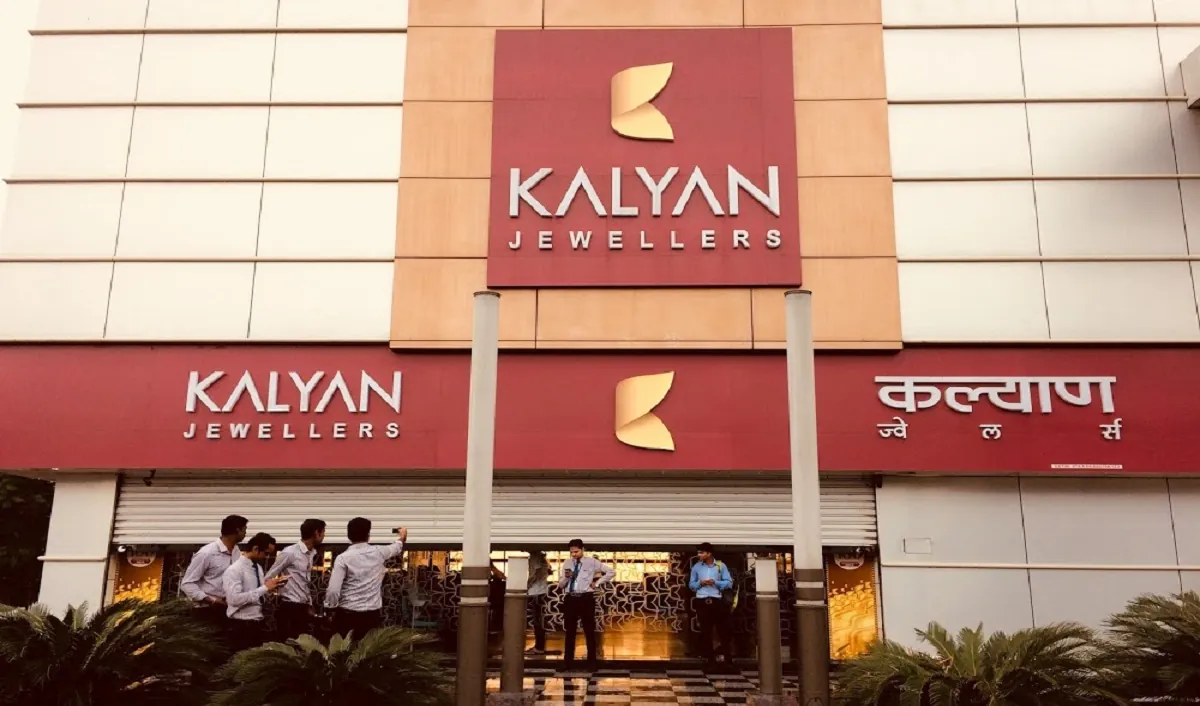
Jewellery stocks crashed within minutes of the announcement. Kalyan Jewellers shares plunged nearly 6%, falling to ₹340.55 in morning trade. Industry heavyweights like Titan Company, Senco Gold, and Thangamayil Jewellery also saw significant selling pressure. This development comes as a secondary blow to the sector after jewellery stocks crash previously due to government appeals for citizens to limit non-essential gold purchases.
Immediate Changes to the Gold Tariff Structure
The new duty structure consists of a 10% basic customs duty and a 5% Agriculture Infrastructure and Development Cess. Platinum imports were also affected, with the total duty rising to 15.4%. The government issued the raised the import duty from 6% to 15% to curb a massive surge in the value of gold imports. Despite lower physical volumes, India imported a record $71.98 billion worth of gold during the 2025-26 fiscal year due to record-high global prices.
Market analysts suggest the hike will likely suppress consumer demand in the short term. Retailers now face higher procurement costs during a period of high inflation. The timing is particularly difficult for the industry. Many firms were preparing for seasonal wedding demand that usually drives volume. But the government priority has shifted. Defending the Current Account Deficit is now more important than retail growth.
Geopolitical Drivers Behind the Economic Shield
The Strait of Hormuz conflict has disrupted global supply chains. India is highly vulnerable to these oil price shocks. By raising the cost of gold, the Ministry of Finance hopes to reduce the outflow of US dollars. This is not the first time India has used this strategy. A similar 15% tariff was utilized during the 2022 Russia-Ukraine conflict to stabilize the domestic currency. The current move signals that the administration expects the Middle East conflict to be prolonged.
How the Middle East Conflict is Reshaping India’s Luxury Market
This tariff hike marks a definitive end to the liberalized import era for Indian jewellers. By moving the rate to 15%, the government is treating gold as a primary volatility hedge rather than a consumer good. This creates a massive competitive disadvantage for organized players like Titan and Kalyan Jewellers compared to the unorganized market, which often thrives on smuggled gold during high-tariff regimes. Historically, when duties cross the 12% threshold, unofficial channels see a spike in activity. Investors should expect a period of margin compression across the sector as these companies struggle to pass the 9% cost increase directly to a price-sensitive public.