
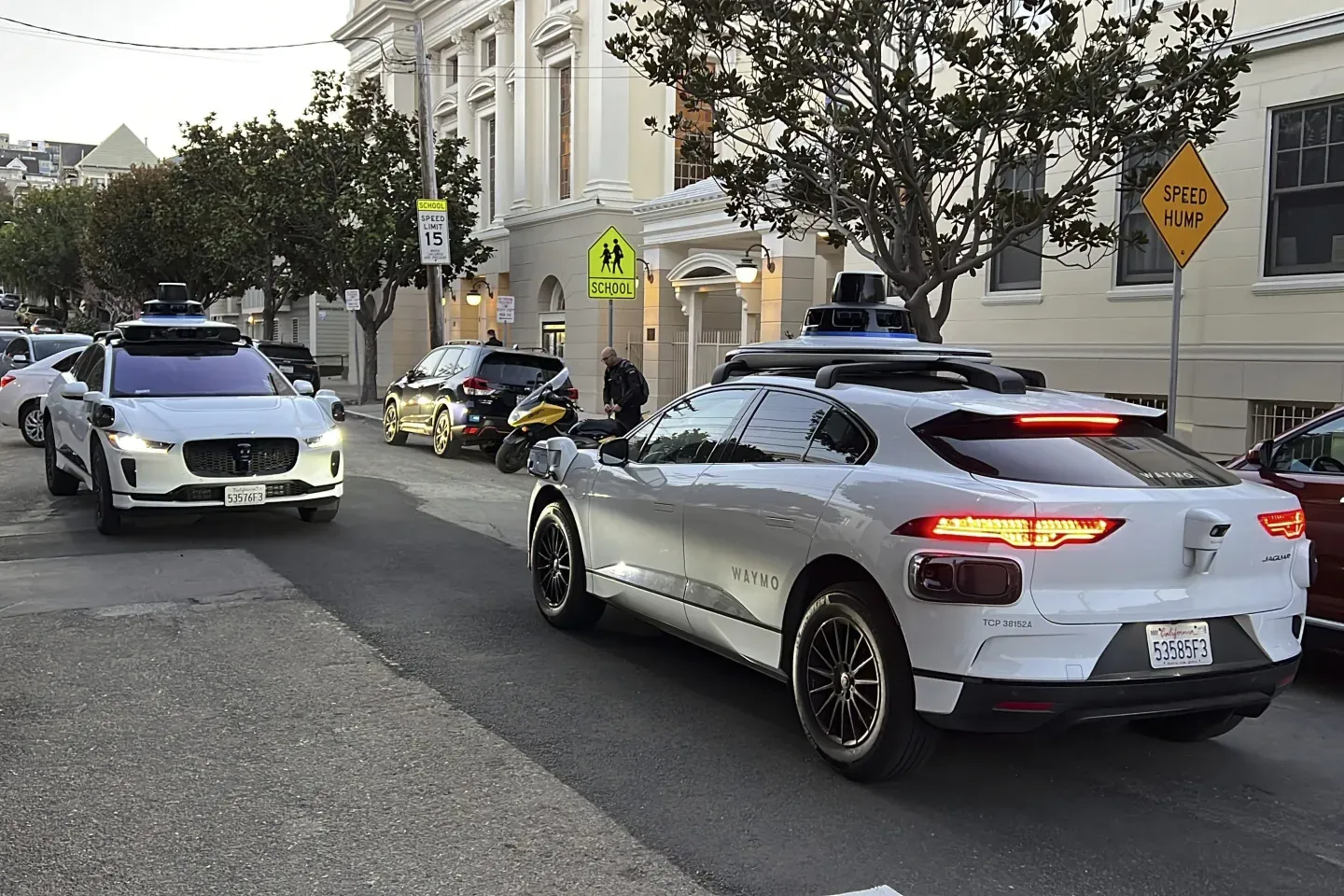
It turns out letting computers drive might actually be the safer bet. A new study from the Insurance Institute for Highway Safety evaluated 50 million driverless miles and found that Waymo robotaxis are involved in 68% fewer police-reportable crashes than average human drivers. That translates to 1.28 crashes per million miles for the autonomous vehicles, compared to 4.06 for human-driven cars.
But the numbers only tell part of the story. The federal data used to calculate these rates relies on companies voluntarily reporting their miles driven. Because the current reporting system is fractured, the IIHS analysis heavily filtered crash reports from 2021 to 2024 across San Francisco, Phoenix, and Los Angeles.
When crashes do happen, the driverless cars tend to avoid severe impact. Half of Waymo’s collisions occurred on streets with speed limits under 25 mph. Humans, on the other hand, only logged 8% of their crashes at those low speeds.
There is a blind spot in the sensor array. Despite packing LiDAR and radar systems, Waymo vehicles experienced a higher proportion of crashes in dark conditions than human drivers did. Austin also presented a slightly higher crash rate for the robotaxis, though researchers attribute that to a much smaller sample size during early testing.
You can’t compare Waymo to its direct rivals yet. Other autonomous outfits like Cruise and Zoox were excluded from the analysis because they lacked reporting to calculate an accurate crash rate.
Federal Mileage Tracking Fails to Catch Up
The real takeaway from this study isn’t just about Waymo’s algorithms. It exposes a massive gap in how regulators monitor self-driving cars. IIHS President David Harkey warned that the current data collection system by federal regulators is inadequate for continuous monitoring of a large-scale robotaxi expansion.
Because companies are not federally mandated to release their vehicle-miles-traveled data, independent safety organizations are flying blind. Waymo became the only viable candidate for this crash-rate comparison simply because it voluntarily provided the math. Until regulators force mandatory mileage reporting across the board, verifying the safety claims of other driverless fleets will remain mathematically impossible.