
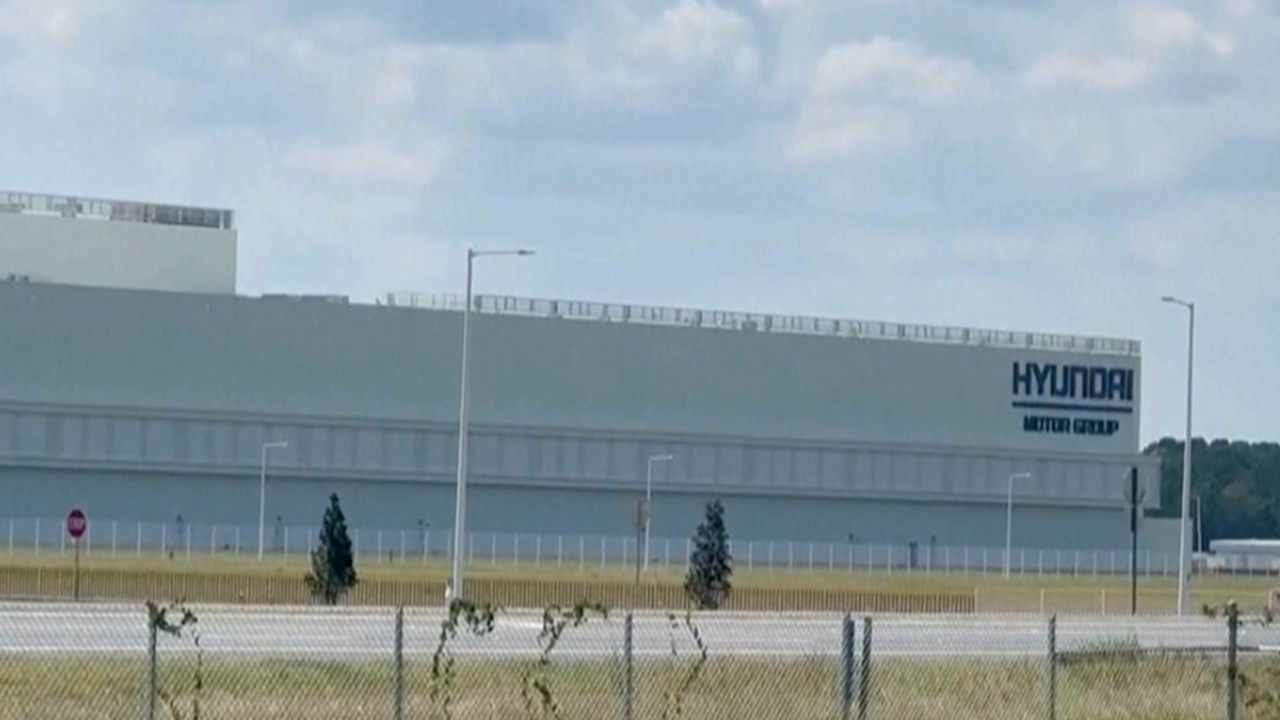
A sudden raid by U.S. immigration agents swept through a bustling Hyundai electric vehicle factory in Georgia, detaining nearly 500 workers. This large-scale operation, carried out by U.S. Immigration and Customs Enforcement (ICE), quickly raised worries about the diplomatic ties between South Korea and the United States. It’s a striking reminder of how national enforcement actions can stir up international waters.
Authorities confirmed that the operation was not just a random check. The Department of Homeland Security (DHS) said it was the result of many months spent investigating illegal employment and other serious crimes. Officials were careful to get a court warrant before entering the factory, making sure their actions were legally sound. Steve Schrank, a top Homeland Security Investigations officer in Atlanta, even called it the biggest enforcement effort in his agency’s history.
Out of the 475 people arrested, all were in the U.S. without proper legal status or work documents. More than 300 of these individuals were from South Korea. All of them are now held at an ICE detention center in Folkston, Georgia. This situation quickly drew sharp reactions from across the Pacific.
South Korea Expresses Deep Concern
South Korea’s government wasted no time in making its feelings known. It released a statement expressing deep concern and sadness over the arrests. Officials in Seoul urged the U.S. to treat its citizens in custody with respect and to uphold their rights. They also announced plans to send diplomats to the site to check on the situation firsthand. Direct contact was made with the U.S. Embassy in Seoul to discuss the matter.
The Korean Foreign Ministry emphasized a crucial point: U.S. law enforcement must not unfairly affect the business activities of Korean companies that invest abroad. They also said the rights of Korean citizens should be protected. This raid clearly hit a nerve, highlighting the delicate balance between national laws and global partnerships.
Hyundai Motor responded to the incident by saying it was watching things closely and looking into the details. The company also clarified that the arrested individuals were not its direct employees. This suggests that the workers might have been employed by contractors or suppliers working at the site.
An Economic Powerhouse Under Scrutiny
The Hyundai factory itself is a huge operation, spanning over 3,000 acres. It was specifically built to make electric vehicles and had only been open for about a year. Despite the raid, the main production lines at the factory kept running as usual. However, a major partner, LG Energy Solutions, which is investing in battery production nearby, temporarily stopped its construction work at the site.
The factory was once hailed as a triumph for the region. Georgia Governor Brian Kemp had celebrated the Hyundai plant as the “biggest economic development project in state history.” It was expected to bring more than 1,200 new jobs to the state, a significant boost to the local economy. Now, it has become the center of a different kind of discussion, touching on both migrant labor and international relations.
Political Commentary and Conflicting Goals
The incident also drew comments from former President Donald Trump, speaking from the White House. He stated plainly: “These are illegal immigrants, and ICE just did its job.” When asked about South Korea’s concerns, Trump offered a mixed view. “We want good relations with other countries, and we want stable labor,” he said. “But the truth is there are many illegal workers, and some are not the best people.” He went on to suggest that a large number of illegal workers had entered the country during the Biden administration.
This operation puts a spotlight on a tough balancing act for any government. On one side, there’s the goal of attracting large foreign investments, like the billions of dollars Korean companies have poured into creating jobs in the U.S. On the other side, there’s the policy of cracking down hard on illegal immigration, often based on the idea that these workers take jobs from citizens. The raid at the Hyundai plant shows just how challenging it can be to pursue both goals at the same time. This event has sparked a wider conversation about who works where, how countries deal with each other, and what our national priorities truly are.
Source: BBC