
President Donald Trump signed an executive order on May 19 mandating stricter financial due diligence, legally forcing banks to treat a customer’s immigration status as a direct factor in evaluating financial risk. The directive targets individuals lacking verified lawful status, specifically cracking down on the use of Individual Taxpayer Identification Numbers (ITINs) to access the U.S. banking system.
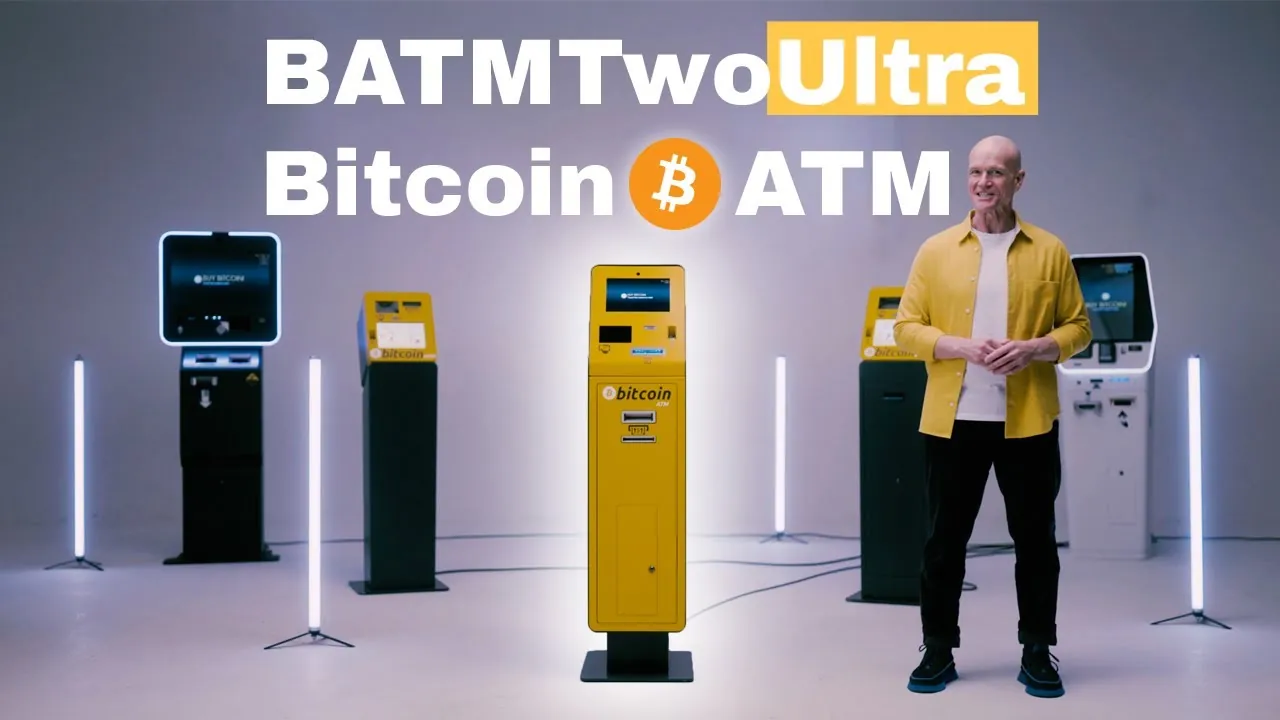
This regulatory blockade on traditional remittance avenues is pushing undocumented immigrants toward decentralized financial alternatives. As border-city banks and wire services implement the new rules, individuals are increasingly relying on stablecoins and physical Bitcoin ATMs to send money across borders.
The shift to crypto networks compounds an existing financial hurdle for migrants. A sweeping 1 percent federal excise tax on cash remittances officially went into effect earlier this year on January 1. Now, the new executive order formally directs the Treasury Department and federal regulators to propose amendments to Bank Secrecy Act regulations to scrutinize cross-border transfers.
Institutions are facing immediate compliance changes, according to legal breakdowns of the May 19 executive order’s strict vetting requirements and the specific targeting of ITINs and immigration status. The mandate demands heightened scrutiny of small money transfers, foreign-identity documents like the Mexican Consular ID, and off-the-books wage payments.
What the Bank Secrecy Act Amendments Mean for Cross-Border Fintech
Traditional remittance operators face heavy new compliance burdens to align with the Treasury’s updated guidelines. As wire transfers require more invasive identity verification, the friction pushes unbanked users toward permissionless networks. Researchers are already documenting the executive order’s direct regulatory impact on traditional remittances and the economic hurdles facing migrants, noting that undocumented populations must seek alternative transaction methods.
Cryptocurrency networks are absorbing this displaced demand. Stablecoins pegged to the U.S. dollar offer instantaneous cross-border settlement without requiring a government-issued ID or an ITIN. Bitcoin ATMs, which often require only a phone number for smaller cash-to-crypto transactions, provide a direct on-ramp for individuals holding physical cash from off-the-books employment. The federal tightening of the traditional banking layer is actively accelerating the real-world utility of decentralized finance.