
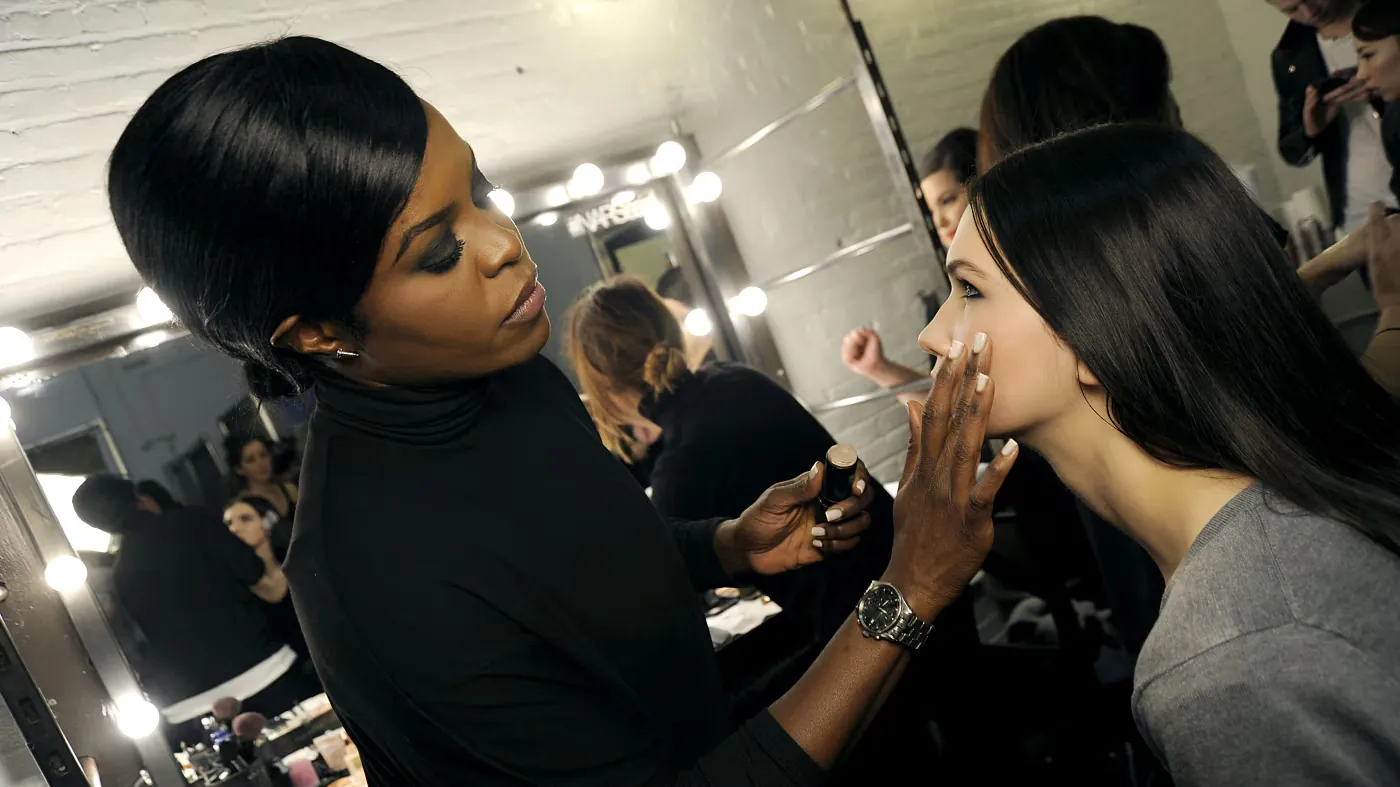
To properly layer cream and powder makeup, you must follow a strict progression: always apply liquids first, followed by creams, and finish with powders. This is the foundational rule of makeup application. Putting a dry powder over a wet cream product locks the base in place, prevents the cream from sliding across your skin, and stops the entire application from looking thick and cakey.
The mechanics of layering come down to basic product chemistry and friction. When you apply powder on top of cream products, you are essentially setting a seal over the moisture. If you reverse this order and apply a wet cream product over a dry, set powder, the moisture from the cream immediately disturbs the powder underneath. The powder begins to fade, separate, and pill. Makeup experts routinely equate this exact mistake to pouring water on dry dirt. It creates literal mud on the surface of your skin, leaving a highly textured, uneven finish that is very difficult to fix without wiping everything off and starting over.
Before you even begin to stack these layers, skin preparation dictates how well the final look will hold. Primers act as a necessary chemical and physical barrier. They create a dedicated layer between your bare skin and the color cosmetics. This barrier prevents the heavy layers of makeup from clogging your pores while simultaneously ensuring a more even skin tone and extending the overall wear time of the products. And starting with proper skincare and a reliable primer validates the golden rule of transitioning from liquids to creams to powders.
The Stage Roots and Viral Trends
Applying similar shades of cream and powder right on top of each other—like putting a cream blush down and immediately topping it with a powder blush in the exact same color—is a technique that originated in professional theater and stage makeup. Stage performers needed extreme color payoff to remain visible under very hot stage lights. They also dealt with heavy sweating. The intensive technique of applying a full layer of cream contour, bronzer, and blush, and then setting all of them with their exact powder counterparts, guaranteed the makeup would not melt off mid-performance.
This heavy-duty theater technique slowly migrated into the kits of celebrity makeup artists who needed their clients to look flawless on high-definition cameras and red carpets for hours on end. You can see this detailed in a published celebrity makeup artist case study detailing how using cream blush under powder blush locks the color directly onto the skin. The cream acts as an adhesive base, and the powder layer sets it for all-day wear.
In recent years, this professional-grade method made its way into everyday consumer routines through viral social media trends. A prime example is the “Boyfriend Blush” trend that gained massive popularity in 2024. Content creators showed followers how to apply a highly vibrant cream blush base and strategically set it with a specialized powder blush. Products like the Haus Labs powder blush were frequently used as the setting layer to create a diffused, lasting flush of color on the cheeks that simply refused to fade throughout the day. People liked the look because the initial cream layer provided the deep pigment, while the powder layer buffed out the edges for a softer, airbrushed finish.
Tailoring the Technique to Skin Types and Climates
While doubling up on your makeup layers is highly effective for longevity, it is definitely not recommended for every single person or every type of environment. You have to evaluate your local climate and your specific skin type before committing to this routine.
If you live in a hot, humid climate, heavy layering is essentially a survival tactic. Many people incorrectly assume that using only dry powders is the best way to fight humidity. But relying on powders alone usually results in the makeup sweating off quickly. Utilizing a solid base of creams on properly prepped skin and then completely sealing them with powder provides superior durability against moisture in the air.
Your individual skin type also determines how well this technique will actually look in natural daylight. This method is ideal for individuals with oily or combination skin. The final, heavy powder layer actively absorbs excess oil generated by the skin and drastically reduces natural shine throughout the day. The powder keeps the underlying cream from breaking down when sebum is produced.
Conversely, professionals explicitly warn against using this heavy layering technique for people with very dry or maturing skin. When you stack a cream color and a powder color on top of skin that lacks natural moisture, the dual products dry down and quickly look cakey. The powder will actively highlight fine lines, dry patches, and skin texture. For dry skin types, keeping the routine limited to just hydrating creams is usually the better approach to maintain a fresh, youthful finish.
The Overconsumption Debate and Minimalist Alternatives
As this multi-step, stage-level technique became a standard everyday routine for many makeup wearers, it sparked ongoing discussions about product necessity and industry pressure.
Critics within the online beauty community regularly point out that everyday consumers simply do not need to purchase both cream and powder versions of every single color cosmetic they own. The push to buy a cream blush, a powder blush, a cream bronzer, a powder bronzer, a cream contour, and a powder contour is frequently debated as a clear “overconsumption” trend. Social media algorithms often drive this push, convincing regular users that they need professional artist kits for a basic trip to the office or the grocery store.
There are much simpler alternatives for standard daily wear that do not require buying double the product. You can achieve excellent longevity by using highly pigmented standalone products—choosing either just a cream or just a powder. When you pair one high-quality, pigmented product with a good primer and a strong setting spray, it is usually more than sufficient to keep the makeup in place all day. This alternative approach gives you a very similar result without the heavy feel or the extra cost of needing two of everything.
Frequently Asked Questions
Which goes first, cream or powder makeup?
Creams always go before powders. The most absolute golden rule of makeup application is to apply your products in the order of liquids, creams, and then powders. Putting powders directly on top of creams helps lock the wet base in place and allows the rest of your makeup to spread smoothly over the skin, according to guidelines on the consistent order of makeup application.
What happens if you put cream makeup over powder?
If you apply a wet cream product over a completely dry, set powder, the powder will immediately begin to separate, pill, and fade. The moisture from your cream product disturbs the powder underneath it. This chemical reaction creates a highly textured, muddy appearance on the skin that is very difficult to blend out.
Is it strictly necessary to set a cream foundation with powder?
No, it depends entirely on your specific skin type and the type of finish you want to achieve. If you have very dry skin or simply want a fresh, dewy, and radiant look, skipping the powder layer is perfectly fine. However, if you have oily skin or need your makeup to last through a very long day without melting, setting your cream foundation with powder is highly recommended. The powder absorbs the oil and reduces unwanted shine.