
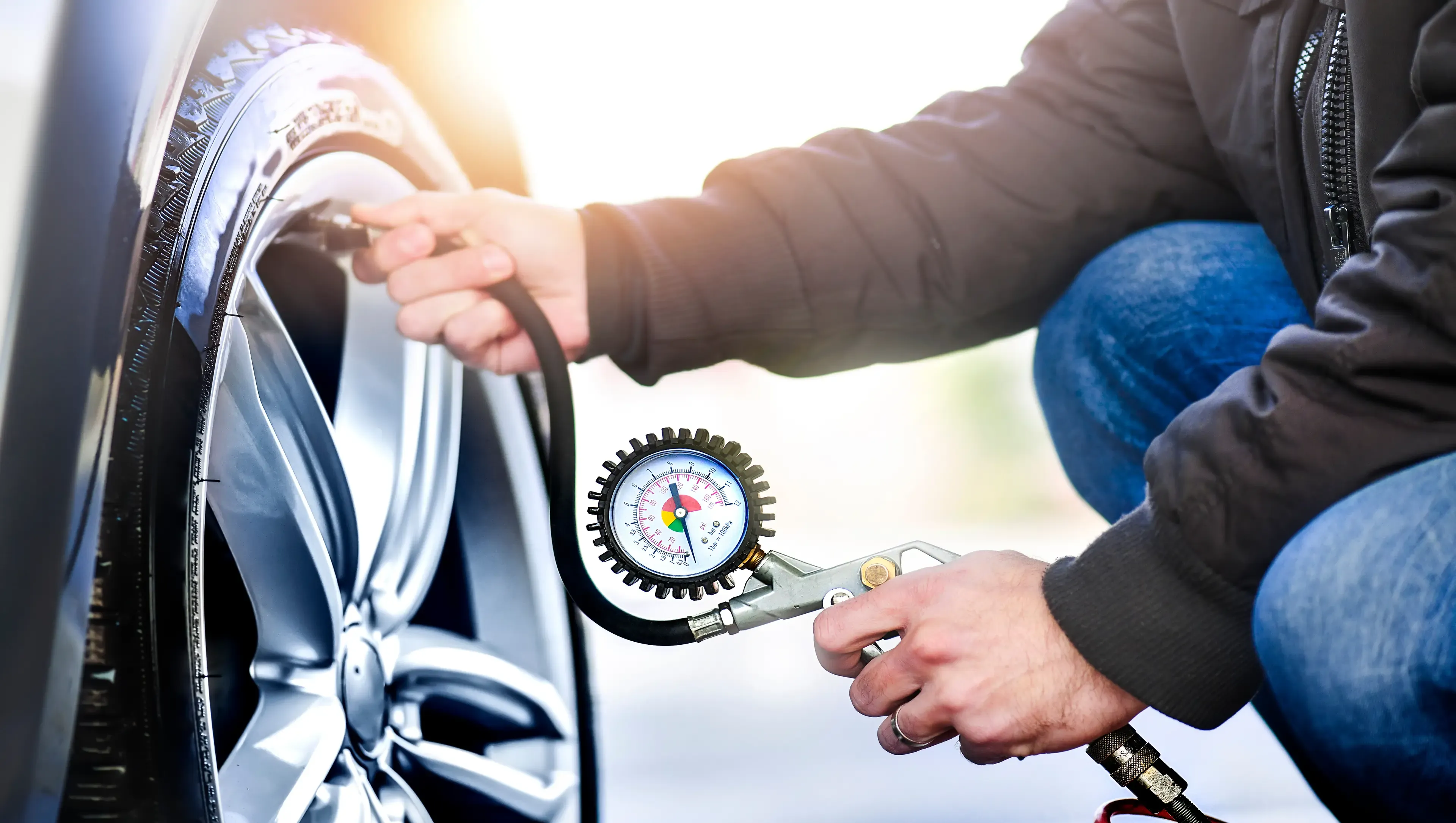
It happens fast. You are cruising down the interstate on a 90-degree July afternoon, and suddenly you hear a loud bang followed by the violent shaking of your steering wheel. Summer is officially blowout season, running straight from mid-May through early October. According to federal crash data, tire failures cause tens of thousands of motor vehicle accidents every single year. But you don’t have to become part of that statistic. The secret to surviving extreme asphalt temperatures isn’t luck. It’s just air pressure and a little bit of mechanical awareness.
The Mechanics of Heat Expansion
Tires act as flexible pressure vessels. As the weather warms up, the air molecules inside your tires expand. The general rule of thumb is that your tire pressure fluctuates by about 1 PSI for every 10-degree Fahrenheit shift in the outside temperature.
But ambient air is only half the problem. The real danger comes from the ground. When the air temperature is a standard 90 degrees, baking asphalt can easily reach temperatures between 130 and 160 degrees. Your tires absorb all that radiant heat while simultaneously dealing with the intense physical friction of highway speeds.
Older rubber handles this heat terribly. Rubber compounds naturally degrade over time from UV exposure and simple oxidation. Heat softens older rubber, making existing hairline cracks worse. Tires older than six years become highly susceptible to sudden tread separation when forced to run fast on hot pavement.
The Underinflation Trap
Most drivers assume that hot weather causes tires to overinflate and pop like a balloon. This misconception actually gets people hurt.
Automotive experts point out that severely underinflated tires are actually the primary trigger for hot-weather blowouts. When a tire lacks sufficient air pressure, the physical shape of the tire collapses slightly. Here is exactly how that failure happens:
- The Footprint Expands: Without enough air to hold the tire round, a much larger surface area of the rubber continuously touches the hot road.
- The Sidewalls Deflect: As the tire rolls, the lack of pressure causes the structural casing (the sidewalls) to repeatedly bend and flex far past their designed limits.
- Internal Friction Spikes: All that bending creates extreme internal rolling resistance. The physical friction generates its own heat from the inside out, adding to the heat from the sun and the road.
- The Structure Fails: The combined thermal overload melts the adhesives holding the tire together, destroying the structural integrity until the casing violently rips apart.
A recent federal highway campaign found that only a small fraction of drivers routinely properly inflate their tires. Driving on tires that are underinflated by more than 25 percent makes you three times more likely to get into a crash. And yet, people still intentionally bleed air out of their tires in the summer thinking it will save them. Never let air out of a warm tire to adjust the pressure. Once it cools down, you will be dangerously underinflated.
Overinflation isn’t great either. Pumping too much air reduces the tire’s contact patch with the road. You get worse traction, and the brittle, overstressed casing will transfer the full force of every pothole directly into the suspension. You just need the right amount of air at the right time.
Your Extreme Heat Action Plan
So how do you actually prepare your car for a long summer drive? You start with a cold check.
Always measure your tire pressure first thing in the morning before you drive anywhere. Driving just a few miles creates enough rolling friction to artificially inflate your gauge readings by several PSI. Even parking in direct sunlight can skew the numbers on one side of the car. Check them cold.
When you check the pressure, completely ignore the numbers stamped on the side of the rubber. That side stamping just tells you the absolute maximum pressure the tire can hold before exploding. Instead, open your driver-side door and look for the door jamb sticker. That label tells you exactly what pressure the vehicle manufacturer recommends for your specific car’s weight and suspension.
Pay close attention to how much cargo you pack. Overloading a vehicle forces the tire sidewalls to flex more, which generates the exact kind of heat you want to avoid. If you are hauling a heavy load of passengers and luggage on a road trip, you should inflate your tires to the upper limit of the manufacturer’s recommended range and keep your highway speeds slightly below the posted limits. This is especially true for trailer tires, which carry heavy static loads with almost no suspension flex to help them absorb bumps.
Finally, check the age of your tires. Tread depth means nothing if the rubber is rotting from the inside. Look at the sidewall for the DOT code. You want the last four digits. The first two tell you the week it was made, and the final two give you the year. A code of “2620” means the tire was built in the 26th week of 2020. If your tires are approaching or passing the six-year mark, get them replaced before you try driving across a hot desert.