
The NBA decides the Defensive Player of the Year using a weighted point system voted on by independent media members, combined with strict minimum-games-played requirements. The player who finishes with the highest total points wins the trophy, even if they do not receive the most first-place votes.
For casual fans watching a game, defense often looks like blocked shots and stolen passes. But the actual process of handing out the league’s top defensive hardware involves specific mathematics, labor agreements, and changing statistical metrics.
Here is exactly how the voting process works from start to finish.
How the Point System Works
The league does not pick the winner internally. Instead, the NBA relies on an independent panel of sportswriters and broadcasters located across the United States and Canada. This panel typically consists of over a hundred media members who cover the league regularly.
When the regular season ends, each voter receives a ballot. They do not just pick one winner. They must select a first-place, second-place, and third-place choice.
The NBA uses a ranked-choice point system to tally these ballots. A first-place vote is worth five points. A second-place vote is worth three points. A third-place vote is worth one point. League officials add up all the points from every ballot. The player with the highest total point score takes the award.
This 5-3-1 structure keeps the voting close. A player might receive fewer first-place votes than a rival but still win the award by appearing on almost every voter’s ballot as a second-place choice.
But getting on the ballot now requires players to meet strict attendance rules.
Starting in the 2023-24 season, the NBA and the Players Association agreed on a new minimum game threshold to combat “load management.” To qualify for major end-of-season awards, a player must appear in at least 65 regular-season games. Furthermore, they must log at least 20 minutes of court time in those games for them to count. You cannot just check into a game for two minutes and sit on the bench to artificially boost your games-played total.
Why Teams Value This Award (The Financial Impact)
Winning the Defensive Player of the Year trophy is not just about prestige. It directly controls how much money a player can earn.
Under the rules of the NBA Collective Bargaining Agreement, winning this award can trigger a supermax contract extension. When a player hits this milestone, they become eligible to sign a contract worth up to 30 percent of their team’s total salary cap. This is a life-changing amount of money.
Because the salary cap goes up as the league makes more revenue, a 30 percent cut translates to hundreds of millions of dollars over the life of a contract. Teams use these collective bargaining supermax contracts to lock down their top talent and prevent them from leaving in free agency.
This financial setup creates a highly debated situation in the sports world. The people deciding the award are independent reporters and broadcasters. They do not work for the teams, and they do not belong to the players’ union. They have no legal obligation to follow objective criteria when filling out their ballots. Yet, their subjective opinions directly control team payrolls and player earnings.
Many media members have expressed discomfort with this arrangement. They want to cover the sport, not act as accountants deciding which player gets a massive pay raise. But until the labor agreement changes, the media panel holds the financial keys.
Famous Examples from Award History
If you look at the history of the award, you will notice an obvious trend. Big men dominate the voting. Centers and forwards win the trophy almost every year because they play near the basket and alter the most shots.
Three players currently share the record for the most Defensive Player of the Year awards. Rudy Gobert, Dikembe Mutombo, and Ben Wallace each won the trophy four times during their careers. All three made their living blocking shots and pulling down defensive rebounds in the paint.
Guards rarely win. When Boston’s Marcus Smart won the award in 2022, he broke a long drought. He was the first point guard to take the trophy since Gary Payton did it back in 1996.
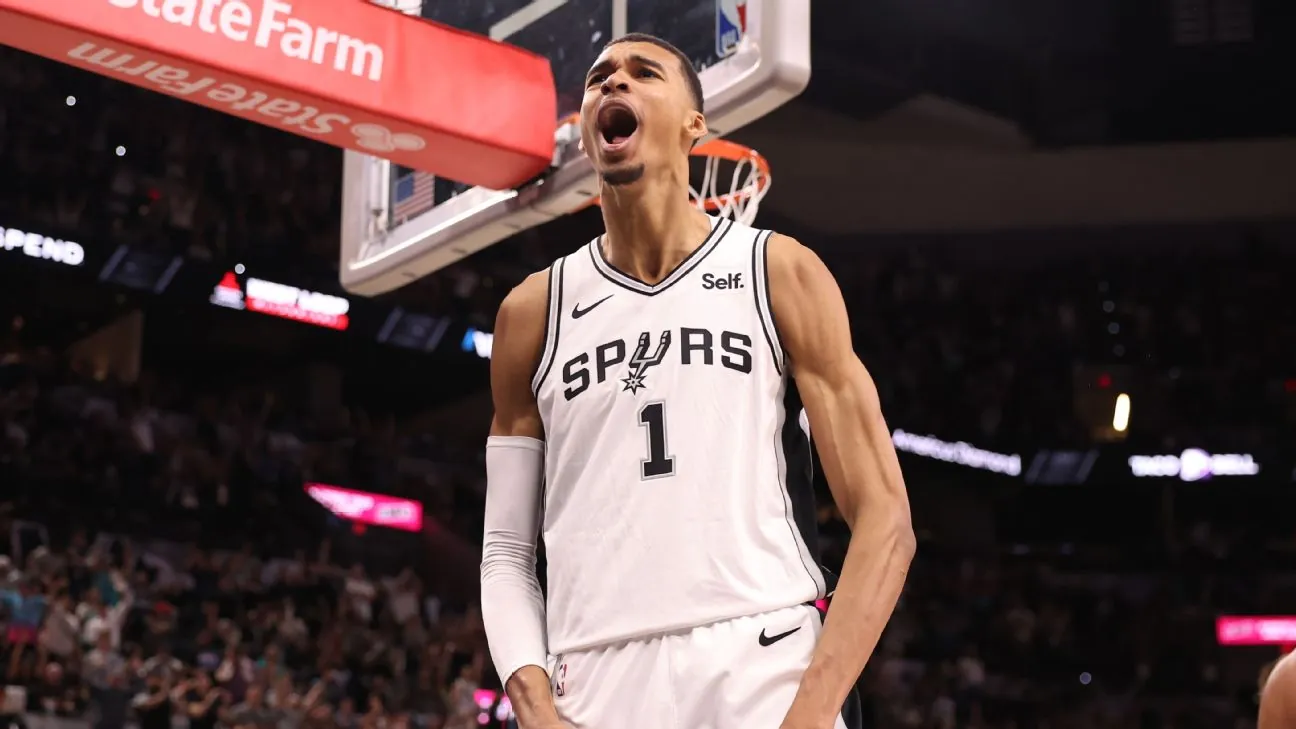
But the most unique voting result happened in 2026. San Antonio Spurs center Victor Wembanyama broke the voting mold completely. He captured all of the first-place votes from the media panel, becoming the first unanimous winner in 2026.
Wembanyama was also the youngest player to ever win the award. His wingspan and height allowed him to completely shut down the paint, and he held opponents to a shooting percentage well below the league average.
Common Misconceptions
Many casual fans think the player with the most blocks or steals automatically wins the award. This was somewhat true twenty years ago, but it is entirely false today.
Voters no longer rely strictly on traditional box-score numbers. A player might get three blocks in a game, but if they jumped out of position and allowed five easy layups to get those blocks, their defense actually hurt the team.
Today, voters look at advanced metrics. One of the most popular is Defensive Estimated Plus-Minus (EPM), which measures a player’s statistical impact per 100 possessions. In recent voting cycles, the players finishing at the top of the ballot almost perfectly mirrored the leaders in the defensive EPM rankings.
Voters also use proximity metrics. Tracking cameras in the arenas measure exactly how well an opponent shoots when a specific defender is the closest person to them. If a player consistently forces opponents to miss shots at a high rate, voters notice, even if the defender does not get a block or a steal on the play.
Another common misconception is that the player with the most first-place votes always wins. Because of the 5-3-1 ranked-choice system, a polarizing player might get a lot of first-place votes but get left off other ballots entirely. A steady player who consistently gets second-place votes across the board can quietly accumulate enough total points to win.
Frequently Asked Questions
Who votes for the NBA Defensive Player of the Year?
The award is voted on by a panel of independent sportswriters and broadcasters from across the United States and Canada. In recent seasons, the panel has included over a hundred voting members.
How does the NBA award point system work?
Voters select a top three on their ballot. The NBA uses a weighting system where a first-place vote is worth five points, a second-place vote is three points, and a third-place vote is one point. The player with the highest total points wins.
Do players have a minimum game requirement for the award?
Yes. Since the 2023-24 NBA season, a player must participate in at least 65 games to be eligible for major awards. They must also play a minimum of 20 minutes in those games for them to officially count toward the total.
Has any player ever won the DPOY unanimously?
Yes. In 2026, Victor Wembanyama of the San Antonio Spurs became the first player in NBA history to win the Defensive Player of the Year award unanimously, capturing every single first-place vote from the panel.