
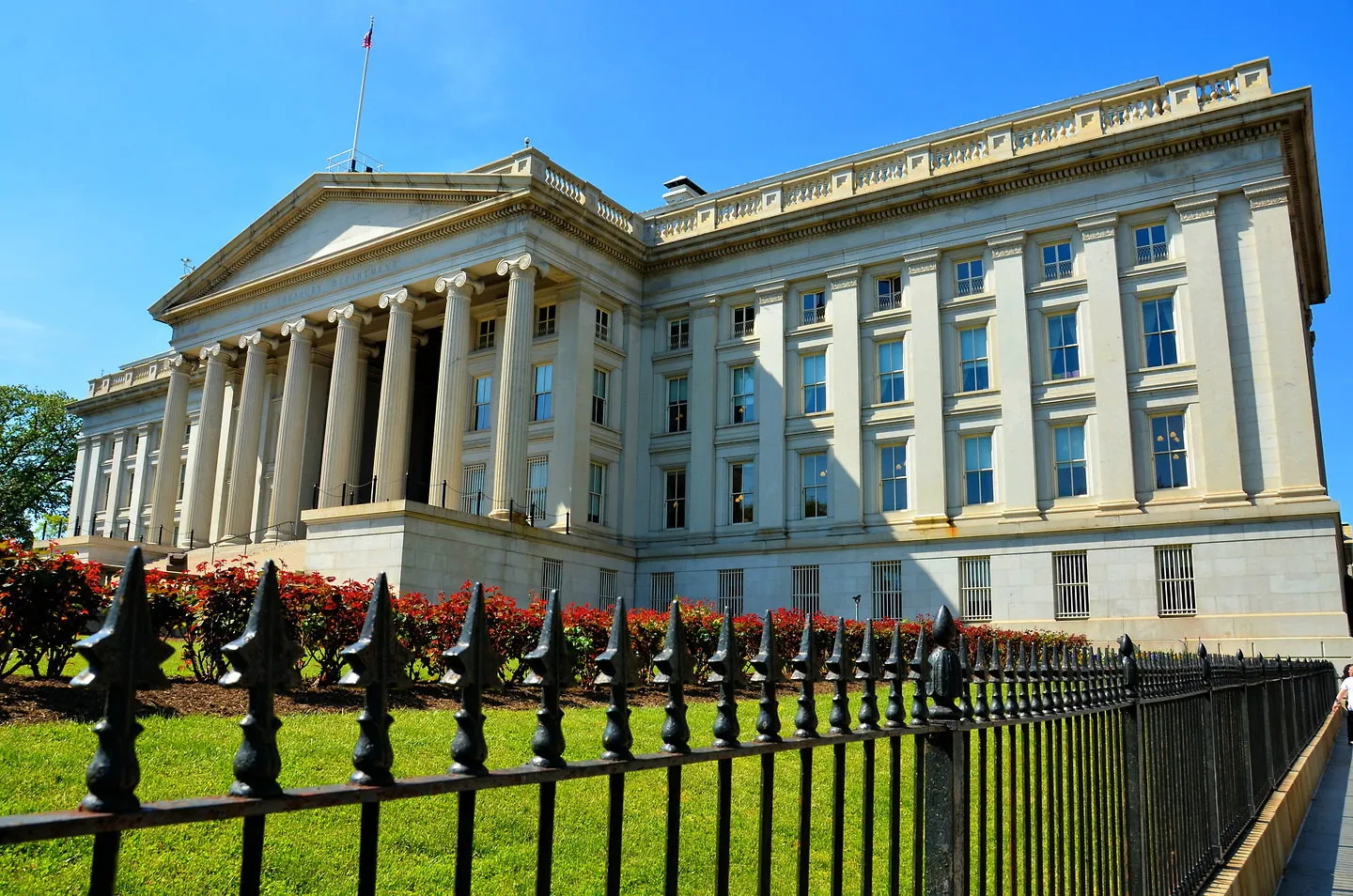
The federal judgment fund is a permanent, indefinite appropriation managed by the U.S. Treasury Department to pay out legal judgments and financial settlements against the United States government. This specific account ensures that when an individual, a corporation, or an advocacy group wins a legal claim against a federal agency, the money flows directly to them without requiring an annual congressional budget approval. The fund handles these payouts on a rolling basis, serving as the primary mechanism for settling the government’s legal debts.
Background: How We Got Here
To understand how this system operates today, you have to look back at the way the government functioned before the middle of the twentieth century. Before 1956, Congress had to resolve legal claims through individual legislative appropriations. Lawmakers physically voted to approve the funds for each specific judgment won against the federal government.
This older method placed a heavy administrative burden on elected officials. They had to evaluate and pass separate legislation for every successful lawsuit. Because of the delays and the legislative workload, Congress established the Judgment Fund in 1956. The goal was to streamline the payment of claims and clear the backlog of legal debts.
Today, the system functions as a permanent, indefinite appropriation. The word “indefinite” is the key to its mechanics. It means there is no legal limit or statutory cap on how much money can flow out of the fund in any given year. If a federal court orders a payout, the Treasury Department issues the money without having to ask Congress to pass a new spending bill. By not falling under the standard annual appropriations process, it bypasses the yearly budget limits that constrain almost every other federal agency.
Interest payments on these legal debts are strictly regulated. Plaintiffs often want interest applied to their judgments, especially if the legal battle took years to resolve. But judgments brought against the United States only bear interest if a contract or a specific statute expressly provides for it. Federal judges cannot apply interest to a payout simply because a case took a long time. The rules governing these statutory interest rates are set forth under 28 U.S.C. § 1961 and 28 U.S.C. § 2516(a), as detailed by the Department of Justice. The underlying law must mandate the extra interest payout.
Key Players and Stakeholders
While the Treasury Department physically holds the money, the Bureau of the Fiscal Service acts as the gatekeeper. The Treasury will not issue a single payment until the Bureau of the Fiscal Service formally certifies the request. This certification relies on a strict four-part test:
- Finality: The Bureau must confirm that the award or settlement is entirely final. The fund does not pay out tentative agreements or judgments that are still going through the appeals process in a higher court.
- Monetary format: The settlement must be strictly monetary in nature. The government uses this account to issue cash payments, not property transfers or other non-financial forms of compensation.
- Statutory authorization: The payment must be legally authorized under 31 U.S.C. §1304(a)(3). The Bureau checks the statutory language to ensure the claim fits the exact definitions required by federal law.
- Exclusive source: The Bureau must confirm that the payment cannot legally be made from any other source of government funds.
Some federal agencies maintain their own specific accounts for certain types of liabilities. If an agency has its own money earmarked for a specific legal issue, the Judgment Fund will reject the claim. These exact certification rules are enforced internally across the government, including by agencies like the Department of Veterans Affairs.
Even after a claim passes all four steps, the plaintiff might not get the full amount. The Fiscal Service actively tracks financial obligations owed to the government. If a plaintiff who wins a judgment owes a known, legally enforceable debt to the United States, the Fiscal Service executes a debt offset. They withhold the exact amount of the debt from the final award. This money pays off the plaintiff’s outstanding balance, and the Treasury sends only the remainder to the plaintiff.
What’s at Stake
The sheer volume of money moving through this account draws intense scrutiny. Because there is no annual cap, payouts can be enormous. During the Obama administration in 2016, the government used the fund to convert and deliver cash exceeding one billion dollars to Iran to settle a decades-old financial dispute. In a separate domestic case, the government distributed around one billion dollars to thousands of minority farmers to settle systemic discrimination claims.
In recent years, reports surfaced about a proposed settlement approaching two billion dollars. President Donald Trump proposed the settlement with his own Justice Department regarding claims against the IRS and FBI. The claims related to the handling of his tax returns and the Mar-a-Lago search. The proposal aimed to establish a fund for allies claiming unjust targeted prosecution.
Because these large-scale payouts bypass the annual congressional appropriations process, critics argue the system operates with scant scrutiny. Transparency advocates point out that current law only requires the Treasury to report on the fund “from time to time.” There is no strict, comprehensive real-time reporting mandate.
This reporting ambiguity became a major public issue when advocates revealed that between 2009 and 2015, the federal government paid tens of millions of dollars out of the account to entirely “unnamed” or “redacted” recipients. To combat this secrecy, legislators introduced the Judgment Fund Transparency Act (H.R. 1669). This bill aimed to legally require the Treasury to publicly disclose the exact details of every payout.
The required disclosures under the proposed bill included:
- The name of the agency involved in the lawsuit.
- The exact name of the claimant receiving the payout.
- The principal liability amount awarded.
- Any ancillary liabilities, such as the plaintiff’s attorney fees paid by the government.
Beyond transparency, the fund is the primary financial engine for the “sue and settle” playbook. Activist groups often sue federal agencies to force specific policy objectives. Instead of fighting the lawsuit in a trial, the federal agency may enter into a consent decree. A federal judge then binds the agency to this agreement.
This process obligates the federal agencies to specific regulatory priorities and deadlines they might not have otherwise adopted. By settling the lawsuit, the administration bypasses the Administrative Procedure Act’s normal, lengthy rulemaking processes. The Judgment Fund then covers the legal fees and the financial payouts resulting from the settlement.
During the Reagan administration, Attorney General Ed Meese instituted a strict policy to stop this practice. The Meese policy prohibited federal agencies from using settlements to spend unapproved money. It also banned agencies from using consent decrees to turn optional policy choices into binding legal commands. The debate over how much power agencies have to bypass Congress using the fund remains a central conflict in government oversight today.
Frequently Asked Questions
What is the Federal Judgment Fund?
It is a permanent, indefinite appropriation established by Congress in 1956. The account pays out legal judgments and settlements against the United States government without needing an annual budget approval from Congress.
Who oversees the Federal Judgment Fund?
The U.S. Treasury Department manages the fund. Specifically, the Bureau of the Fiscal Service conducts the actual oversight. They apply a four-part certification test to ensure all settlements are final, monetary, and legally authorized before any funds are dispersed.
Is there a limit on how much the Judgment Fund can pay out?
No. Because it operates outside of the annual congressional appropriations process, there is no statutory limit or cap on how much money can flow from the fund in any given year.