
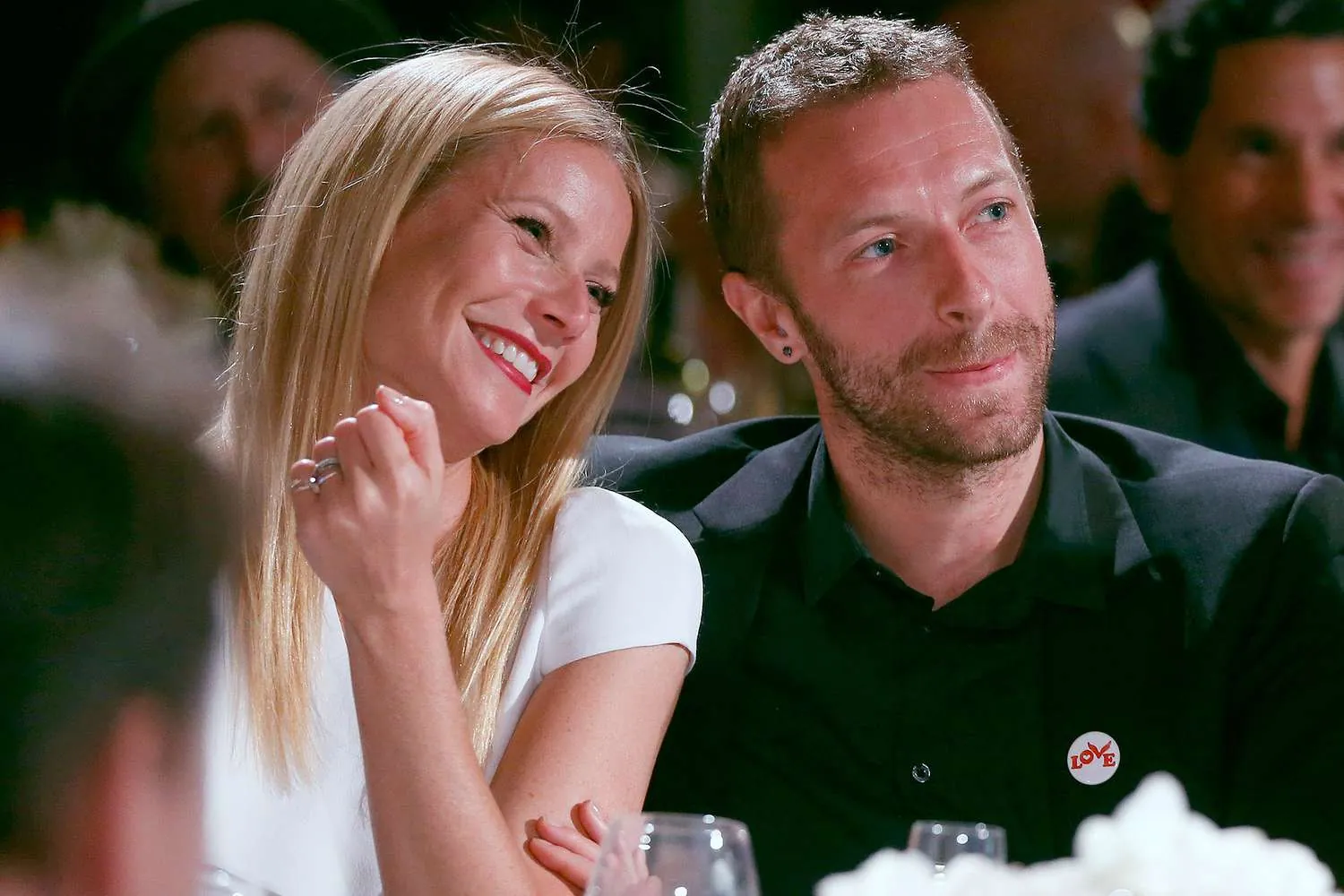
When public figures split up, they manage co-parenting boundaries by treating the new relationship like a strict business partnership, enforcing legally binding social media clauses, and executing highly specific geographic living arrangements. Tabloids love to focus on the messy court battles and leaked text messages. But behind the scenes, successful celebrity co-parents use a rigid, carefully constructed set of rules to keep their children completely insulated from the public spectacle of their romantic fallout.
The rules of engagement for a high-profile split go far beyond simply deciding who gets the kids on weekends. Industry insiders and family lawyers build frameworks that dictate exactly how, when, and where ex-partners communicate. They treat the dissolution of a marriage much like the dissolution of a corporate merger. The “business” they are now running together is the health and stability of their children.
The Business of Raising Kids in the Spotlight
The most effective strategy for managing post-divorce boundaries is stripping all emotion out of the daily interactions. According to guidance from HelpGuide.org, parents achieve this by maintaining a colleague-like respect and speaking to their ex-partner with the same neutrality they use with a coworker. This means no yelling, no rehashing old arguments, and absolutely no using the children as messengers to pass information back and forth.
In high-conflict situations where the paparazzi are already swarming, communication lines tighten even further. Psychotherapist Terri Cole points out that “silence is a boundary.” Divorced parents are under no obligation to answer personal questions about their dating lives or off-duty activities. To maintain this strict wall, many public figures rely entirely on text-only communication or dedicated co-parenting software like TalkingParents. These tools create unalterable, court-admissible records of every conversation. If an ex-partner starts an argument, the app logs it. This keeps everyone on their best behavior.
The Department of Justice, Government of Canada recommends that parents use specific phrasing to reduce defensive reactions during scheduling conflicts. Instead of lobbing accusations like “You never pick them up on time,” professionals advise using “I” statements, such as “I am concerned about this schedule.” This minor shift in vocabulary stops arguments before they start, which is a required skill when gossip blogs are waiting for someone to slip up and cause a scene at a school drop-off.
3 Unconventional Celebrity Co-Parenting Strategies
Wealth and resources allow public figures to experiment with post-divorce living arrangements that average people rarely attempt. These strategies aim to minimize the physical disruption to the children’s daily routines.
- Geographic Proximity Agreements: Some celebrities sign binding contracts regarding where they can live. Following their split, actors Chris Pratt and Anna Faris signed a court document agreeing to live no more than five miles apart from each other for five years. This extreme proximity ensured their son could easily move between households without changing schools, losing friends, or sitting in hours of Los Angeles traffic.
- Bird Nesting: After their 2014 divorce, actor Josh Lucas and Jessica Ciencin Henriquez utilized a strategy known as bird nesting. Instead of the child packing a bag every weekend, the child stays permanently in the primary family home. The divorced parents are the ones who pack their bags, taking turns rotating in and out of the house based on the custody schedule. This provides total environmental stability for the child, though it requires the parents to maintain separate residences elsewhere.
- Conscious Uncoupling: Gwyneth Paltrow and Chris Martin brought this phrase into the mainstream following their 2014 separation. The method requires both parties to skip the traditional adversarial anger of divorce and actively work toward maintaining a platonic family structure. While Paltrow admitted the first years were very effortful, the boundary work paid off. They eventually reached a point where they took a family vacation to the Maldives, bringing along their children and their respective new romantic partners.
Public Meltdowns and the Legal Guardrails
When boundaries fail in Hollywood, they fail loudly. Bad behavior during a split does not just damage the children; it actively destroys a star’s public image and their standing in family court. To prevent these disasters, lawyers have adapted to the digital age.
Airing grievances on social media is the fastest way to ruin a co-parenting relationship. The highly publicized online disputes initiated by Kanye West demonstrated how quickly digital venting escalates family tension. Because of incidents like this, The Diorio Family Law Group notes that many modern celebrity divorce contracts now include ironclad social media non-disparagement clauses. These legal agreements explicitly forbid either party from discussing the case, bad-mouthing their ex online, or sharing details that could eventually be read by their children.
Another major boundary violation is the public ambush. Serving legal documents is usually a quiet, private affair. But when Olivia Wilde was handed custody papers from Jason Sudeikis’s legal team while standing on stage giving a presentation, it crossed a severe line. Legal experts from The Diorio Family Law Group advise that this type of legal ambush immediately escalates hostility and ruins the foundation for any amicable resolution down the road. It forces the targeted parent into a defensive posture in front of the entire world.
How the divorce is communicated to the children also requires strict boundaries. Actor Kevin Costner reportedly announced his divorce to his children via a Zoom call without warning his ex-wife first. Child psychologists universally condemn this approach. Children need to learn about a split in person, from both parents simultaneously, to prevent them from feeling like they need to pick a side.
The Psychology of the Unified Front
The ultimate goal of setting up these strict communication rules and geographic boundaries is to protect the children from developing split loyalties. Bad-mouthing an ex-spouse or forcing a child to act as a go-between places the kid directly in the center of the conflict. Children have a fundamental right to enjoy a relationship with one parent completely free from the other parent’s negative influence.
Maintaining a unified family front provides immense psychological stability. Bruce Willis and Demi Moore set the gold standard for this post-divorce dynamic following their split in 2000. They continued to take family vacations together and famously quarantined under the same roof during the COVID-19 pandemic. Their adult daughter, Rumer Willis, publicly credited this continuous effort for keeping their family feeling like a single, unbroken unit despite the legal divorce.
Achieving this level of peace requires both parents to check their egos at the door. They have to put their children’s need for stability ahead of their own desire to win an argument. When public figures actually pull this off, the results are highly beneficial for the kids.
Where to Watch Post-Split Dynamics
Fans observe these co-parenting strategies play out across several different media channels. The most common venue is the highly curated Instagram carousel. Celebrities who successfully navigate their boundaries often post photos from joint birthday parties or family holidays to signal to the public that everything is fine. This acts as a PR shield against tabloid speculation.
Reality television and documentary series offer a more unfiltered look. Shows detailing the lives of affluent families routinely capture the awkward tension of exes trying to navigate a “bird nesting” situation or a shared vacation. Viewers watch in real-time as public figures stumble through the exact boundaries their lawyers told them to maintain.
Finally, late-night talk shows and podcast interviews are where celebrities go to re-write the narrative of their split. A well-placed interview about “conscious uncoupling” allows a star to rebrand a failed marriage as a progressive, enlightened lifestyle choice.
What Critics and Fans Are Saying
The public reaction to these pristine, highly managed divorces is heavily divided. On one hand, parenting experts and fans often praise celebrities who manage to keep their drama out of the press. Seeing two massive stars put aside their differences to host a joint birthday party sets a positive example for normal families going through the same process.
On the other hand, critics argue that terms like “conscious uncoupling” and strategies like “bird nesting” are completely unrealistic for the average person. Maintaining three separate households so the children never have to pack a bag requires an extraordinary amount of wealth. Fans often point out that it is much easier to be friends with your ex when you have a fleet of nannies, assistants, and lawyers buffering every interaction.
Despite the financial disconnect, the core emotional rules remain universal. Refusing to bad-mouth an ex on Facebook costs nothing. Using an app to track scheduling avoids arguments regardless of tax bracket. The specific logistics may look different in Hollywood, but the baseline boundary work is exactly the same.
People Also Ask
What is “bird nesting” in a divorce?
Bird nesting is a co-parenting arrangement where the children remain living full-time in the primary family home. Instead of the kids moving back and forth, the divorced parents take turns rotating in and out of the house based on their custody schedule. Actor Josh Lucas and his ex-wife utilized this method to minimize physical disruption to their son’s life.
What are the communication rules for high-conflict co-parenting?
In high-conflict situations, experts advise keeping communication strictly business-like and brief. Parents communicate only about the children, avoid answering personal questions, use dedicated tracking apps to keep unalterable records, and utilize “I” statements to prevent blame and hostility.
How do non-disparagement clauses work in celebrity divorces?
Because public figures live in the spotlight, family lawyers increasingly include social media clauses in divorce contracts. These clauses legally forbid the clients from discussing their case, bad-mouthing their ex online, or sharing details that could eventually be seen by their children or used as evidence against them in court.
What does it mean to consciously uncouple?
“Conscious uncoupling” is a term popularized by Gwyneth Paltrow and Chris Martin. It refers to an intentional, amicable separation process where the couple actively works to bypass the traditional anger of divorce. The goal is to maintain a friendly relationship and preserve the core family structure for their children.