
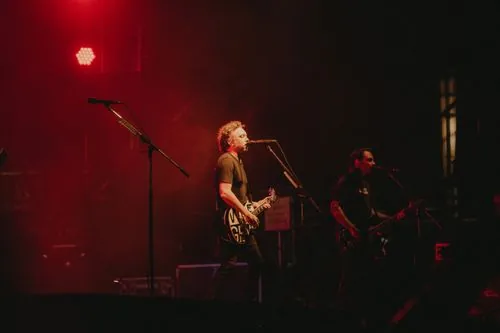
Touring internationally is a logistical nightmare masquerading as a dream job. When an independent artist books a European or Asian run, they suddenly operate a mobile logistics company. Standard travel insurance will not cut it. International touring insurance is a bespoke bundle of commercial policies designed to cover third-party injuries, specialized equipment damage, and the catastrophic loss of income if a show gets canceled.
Without it, one damaged amplifier or a single slipped disc can bankrupt an entire tour. Independent musicians do not have major corporate backing to absorb a sudden $50,000 loss. They rely on specialized entertainment brokers to underwrite the exact risks of cross-border travel, live performances, and unpredictable crowds.
The Core Mechanics of Tour Coverage
A standard touring insurance package breaks down into three specific pillars. Artists purchase these policies together to create a safety net that activates the moment they leave their home country.
- Public Liability Insurance (PLI): This is the foundation of any live event. PLI covers third-party claims for bodily injury or property damage that occur during a performance. If an audience member trips over a poorly taped cable and breaks an arm, PLI pays the medical bills and any resulting legal fees.
- Equipment Insurance: Baggage handlers do not care about your vintage instruments. Specialized equipment insurance protects guitars, drum kits, soundboards, and lighting rigs against theft, loss, accidental damage, fire, and flood. The coverage applies whether the gear is in transit, sitting in a storage locker, or resting on the venue stage. Independent acts explicitly need this because standard travel insurance limitations strictly cap payouts for high-value professional gear.
- Travel and Medical Coverage: Broken bones happen on the road. Bespoke travel insurance for international tours covers medical emergencies abroad. This includes hospital stays, emergency treatments, and the high cost of medical repatriation to fly an injured band member back home. It also covers travel disruptions and lost personal luggage for the band and their touring crew.
Surviving the Financial Hit of Canceled Shows
Sometimes the show simply cannot go on. When an independent act travels overseas, they pay for flights, buses, and hotels months in advance. If a performance falls through, they still owe those expenses. This is where cancellation policies do the heavy lifting.
Event cancellation insurance reimburses out-of-pocket expenses and lost income if a show is postponed, curtailed, or canceled entirely. But this coverage only triggers for reasons outside the artist’s control. Common accepted triggers include severe weather shutting down an outdoor festival, structural damage to the venue, power grid failures, or sudden government restrictions on public gatherings.
Then there is the human element. Non-appearance coverage is a highly specialized subset of cancellation insurance. It protects against the financial fallout if a key performer cannot take the stage. If the lead singer suffers a sudden illness, a severe injury, or gets trapped by unavoidable travel delays, the policy pays out. Understanding non-appearance coverage mechanics is a priority for independent acts who cannot afford to refund venue deposits and pay crew wages out of pocket when their headliner gets sick.
Real-World Scenarios Where Policies Save Tours
Insurance concepts often sound abstract until a tour actually hits the road. The physical realities of touring produce highly specific insurance claims.
Outdoor festivals leave bands entirely at the mercy of the elements. High winds routinely damage staging and lighting rigs during set-up. When this happens, equipment and property coverage steps in to replace the physical gear. If a sudden thunderstorm forces the festival organizers to cancel the ticketed event entirely, the event cancellation policy covers the lost revenue the band expected to take home.
Crowd behavior creates another layer of risk. If a fan gets injured during a sudden surge near the barricades, the commercial general liability insurance absorbs the blow. Real-world claim examples involving crowd surges and weather damage demonstrate exactly why bare-minimum coverage is a terrible idea for live music.
Contractual Realities and Venue Demands
Independent musicians cannot simply walk into an overseas club, plug in, and play. The live entertainment industry runs on strict liability transfer. Promoters and venue owners force the risk onto the performers.
Almost all venues mandate that performers carry their own general liability insurance. They will not allow a band to load their gear through the back door without proof. Musicians must provide a “certificate of insurance” well before the show date. Venues commonly demand policy limits of $2 million or $5 million, depending on the room capacity and the specific local laws.
Tour contracts also heavily feature force majeure clauses. These clauses outline uncontrollable acts of God, like earthquakes or sudden border closures, that make the performance literally impossible. When an event triggers this clause, the show is legally canceled and the venue owes the band nothing. Navigating force majeure definitions is exactly why acts buy event cancellation insurance; it is the only way to recoup their massive travel investments when a disaster legally voids their contract.
What the Industry is Saying
The insurance requirements of an international tour are too complex for standard neighborhood brokers. Generalist agents do not understand the specific risks of cross-border instrument transit or the liability involved with live pyrotechnics.
As a result, the music business relies heavily on a small network of specialized brokers. Entertainment insurers handled roughly two-thirds of the top-grossing music tours in 2024. These specialized firms build custom portfolios that account for international tax laws, varying venue requirements, and the unique logistical hurdles of moving sound equipment across different continents.
Frequently Asked Questions
Does standard travel insurance cover musical instruments on tour?
No. Musical equipment is classified as high-value commercial gear and requires a separate, dedicated policy. Standard travel insurance will not fully cover professional instruments or soundboards. Musicians must pair their basic travel insurance with specialized equipment cover to actually protect their gear against damage, loss, or theft while on the road.
What insurance requirements do venues have for bands?
Most live music venues require touring bands to carry their own general liability insurance. This protects the venue if the band’s actions cause injuries or property damage. Performers must submit a formal certificate of insurance as proof of coverage before they are allowed to perform. Depending on the size of the crowd, common required limits sit at $2 million or $5 million.
What is “force majeure” and how does it affect music tours?
Force majeure is a contract clause that refers to unexpected, uncontrollable events like natural disasters or sudden government actions. These events make it physically or legally impossible to perform. When an incident triggers a contract’s force majeure clause, the show is legally canceled. Because the venue no longer owes the artist a performance fee, having event cancellation insurance is the only way for the band to recoup their financial losses.
What happens if a band accidentally damages a venue during a performance?
If a band or their production crew damages a venue’s walls, floors, or house equipment, their general liability insurance policy helps cover the repair costs. If the band decides to tour without this specific coverage, the venue owners can legally hold the musicians personally responsible and force them to pay for the damages entirely out of pocket.