
Decentralized social networks protect user data by distributing information across an open web of independent computers called nodes, rather than storing it on a single corporate server. This setup means no central authority owns your identity, tracks your clicks, or sells your personal information to advertisers. By using mathematical defenses like public-key cryptography and peer-to-peer distribution networks, these platforms shift data control back to individual users. This guide breaks down exactly how these technologies shield your information, how different network models stack up, and what steps you must take to keep your profile secure.
Feature Comparison: How Different Architectures Protect Data
Different platforms approach privacy in unique ways. Traditional networks rely completely on corporate data centers. Federated networks distribute data among separate community servers. Blockchain networks write data onto an immutable shared ledger. The way a platform is built determines exactly who can see, store, or modify your posts.
| Privacy Feature | Traditional Networks | Federated Networks (e.g., Mastodon) | Blockchain Networks (e.g., Lens Protocol) |
|---|---|---|---|
| Data Storage Location | Central corporate servers | Independently operated community nodes | Distributed public ledger |
| Identity Ownership | Platform owns your profile | Shared between you and your server host | Self-sovereign cryptographic keys |
| Risk of Main Breach | High (Single target for hackers) | Low (Breaches affect single servers only) | Extremely low (No central database exists) |
| Data Deletion Capability | Full deletion via company tools | Variable (Depends on server admin sync) | Permanent (Data is mathematically unchangeable) |
Federated options rely on a standard system called the ActivityPub protocol. When you join a federated network, you pick a specific server run by an individual or a group. According to an educational overview by Tulane University, these communities cooperate but establish their own data retention and moderation rules. If one server shuts down, the rest of the web keeps running normally.
Blockchain options take decentralization further by removing individual server hosts. Your entire social profile, including your list of followers and your posts, exists as a unique digital asset directly on the chain. This means you do not need permission from anyone to access your account. You simply log in with a cryptographic key, and your profile goes with you to any app built on that same network.
Step-by-Step Security Instructions for Decentralized Spaces
Because these platforms lack a corporate support team, you are responsible for managing your own security setup. If you use a federated or blockchain-based network, follow these configuration steps to ensure your personal data remains private.
-
Generate and Secure Your Private Cryptographic Keys
When you create an account, the network gives you a cryptographic keypair consisting of a public key and a private key. Your public key acts as your username, which anyone can see. Your private key acts as your actual password and digital signature. You must write this key down on physical paper or store it in an offline password manager. If you lose this key, you lose your profile permanently because no company can reset it for you.
-
Select a Trustworthy Host Node
For federated platforms, your data safety depends heavily on the server admin. Look at the server rules before signing up. Check how long the host has been online and read their privacy policy. Some admins encrypt user data at rest, while others do not. Pick a server that matches your personal privacy preferences.
-
Enable Access Controls on Storage Tools
Many decentralized platforms use peer-to-peer storage systems like the InterPlanetary File System to host images and text. This means pieces of your data live on multiple computers. Go into your application settings and enable granular encryption options. This ensures that even when your data is cached on an outside computer node, the raw files stay completely scrambled.
-
Separate Personal Identity from Public Wallets
If you use a blockchain social network, your profile links directly to a crypto wallet. Avoid using your main financial wallet for your social media account. Create a separate, dedicated wallet just for social interactions. This prevents outside observers from tracking your personal spending habits by looking at your public post history.
Common Privacy Issues and How to Fix Them
Operating without a central server creates unique privacy challenges. Users often assume these networks are completely invisible, but public networks broadcast a lot of technical information. You must understand these common traps and apply the appropriate fixes.
Visible Metadata on Federated Servers
When you send a direct message on a standard federated server, the message moves from your host server to the recipient’s server. This data is often unencrypted while sitting on the server hard drive. The server administrator can technically view your private chats, your IP address, and your login times. This detail is highlighted in an evaluation by The Privacy Report, which cautions that decentralized infrastructure does not automatically mean private communication.
The Fix: Treat direct messages on federated networks like public posts. For truly private conversations, use separate tools that feature dedicated end-to-end encryption. You can also use a Virtual Private Network when browsing federated spaces to hide your local IP address from the server logs.
The Immutability Trap on Public Blockchains
Blockchain data is permanent. Once a post is written onto a shared ledger, it cannot be edited, altered, or wiped away. This creates a direct conflict with global privacy laws like the General Data Protection Regulation, which grants individuals a right to be forgotten. If you post sensitive personal details, they remain online forever.
The Fix: Use platforms that utilize off-chain storage solutions. These systems keep your identity on the blockchain but store your actual posts in temporary distributed databases. This configuration allows you to delete the access key to the content, effectively making the data unreadable to the rest of the web.
Data Leakage to Intermediary Nodes
To keep files available when you log off, peer-to-peer systems copy your content across various routing nodes. If these files are not locked down, the computers handling the data can analyze your network map and piece together your social circles. Researchers at Princeton University studied these systems and found that advanced cryptographic tools, like attribute-based encryption, are necessary to stop intermediary computers from mapping out user relationships without permission.
The Fix: Stick to modern decentralized apps that encrypt your social graph. Check the documentation of the app to confirm they use client-side encryption. This means the scrambling happens on your phone or computer before any data ever enters the distributed network.
Alternative Systems for Data Protection
If you want to leave traditional platforms but are not ready for blockchains or federated nodes, you can look at other data privacy technologies. These alternative tools offer different trade-offs for personal control.
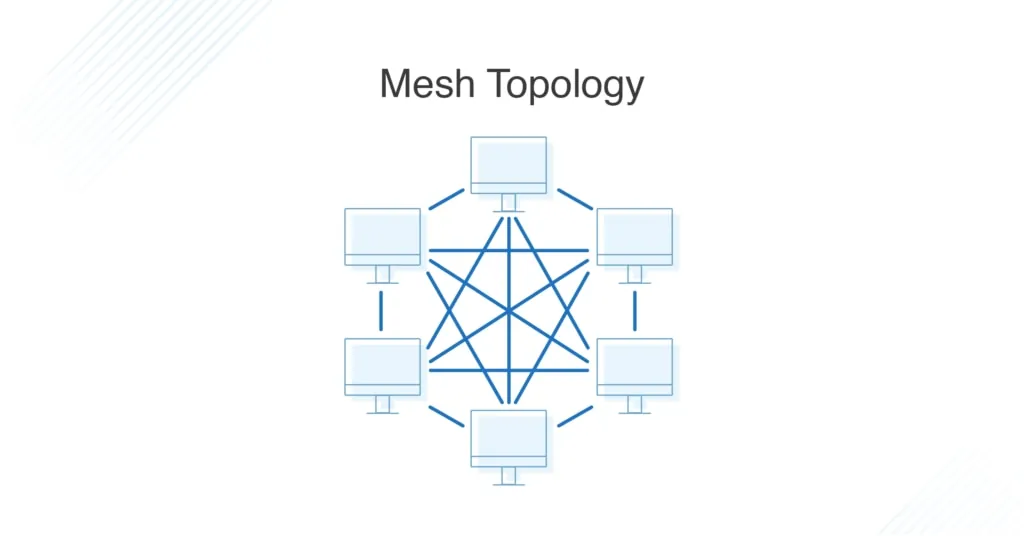
One alternative is a local peer-to-peer mesh network. These networks do not use the internet at all. Instead, they connect phones and computers directly via Bluetooth or local Wi-Fi links. Data moves from device to device until it reaches the target person. This method is highly secure and works during web outages, but it only operates across short physical distances.
Another option is encrypted private groups using decentralized identity standards. These tools let you establish a private cloud storage vault on hardware you own at home. You grant temporary access tokens to friends when they want to view your photos or read your updates. This method keeps your data entirely inside your physical house, though it requires constant electricity and basic home server maintenance to keep online.
Key Takeaways
- Decentralized social networks protect user data by replacing large central corporate hubs with a distributed web of independent nodes and cryptographic keys.
- User privacy is vulnerable to host server administrators on federated setups, and public blockchain posts are permanent and impossible to delete fully.
- Achieving true data protection requires you to secure your own private cryptographic keys, utilize off-chain storage, and treat direct messages as open text.