
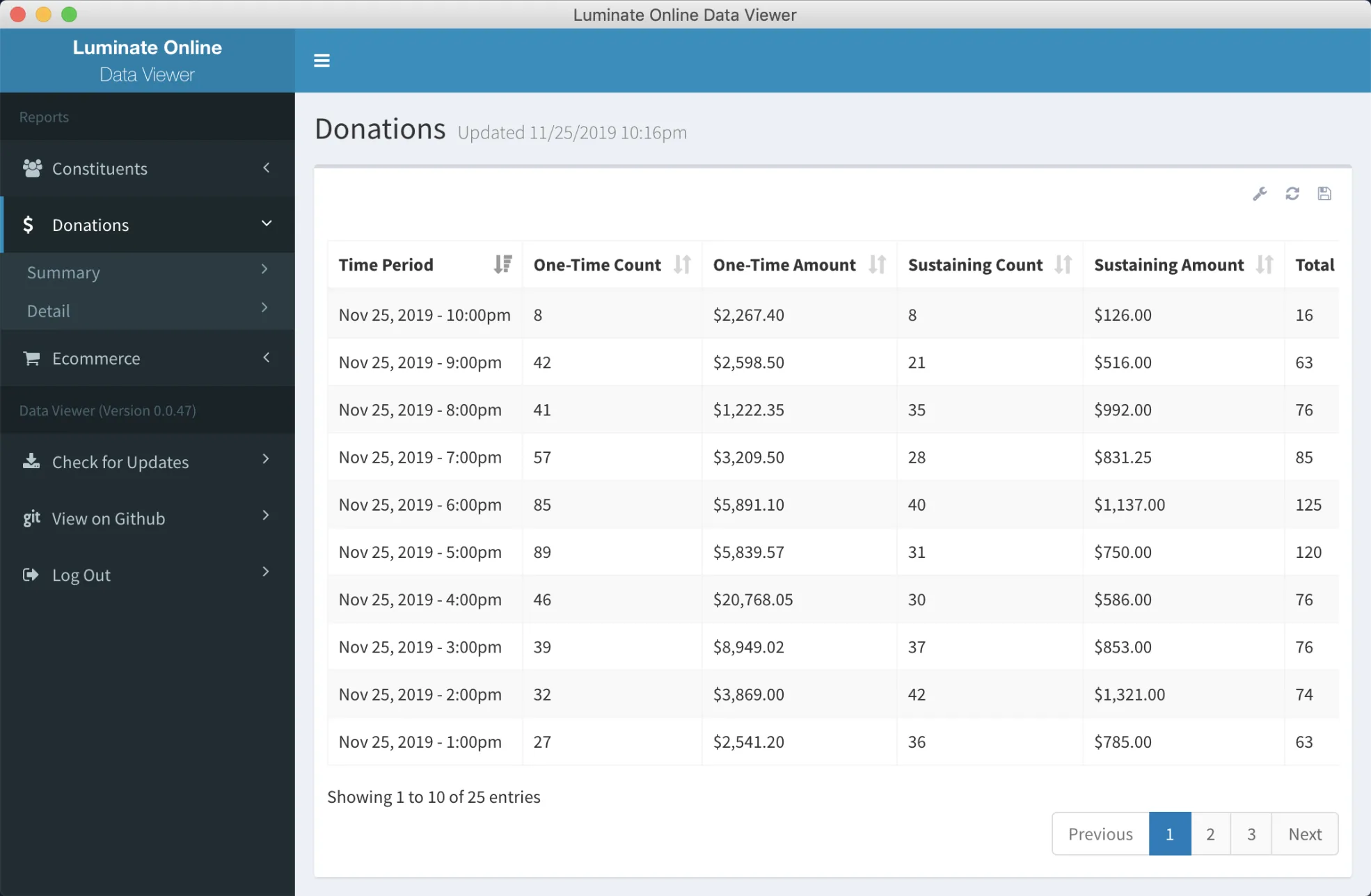
The music industry measures an older album’s chart success through Streaming Equivalent Albums (SEA). Right now, it takes exactly 1,000 premium streams or 2,500 ad-supported streams to equal one single album unit. Fans do not need to buy a physical record for a legacy act to chart on the Billboard 200.
In the physical media era, an album lived and died by its weekly CD sales. When people stopped buying plastic discs, the charting rules had to change. Today, Luminate Data tracks every official stream across platforms like Spotify, Apple Music, and YouTube. They convert those billions of digital clicks into a standardized album metric.
And older records benefit heavily from this system. Passive listening on curated playlists generates a constant trickle of streams. Those streams add up week after week, allowing decades-old releases to maintain a permanent presence on the charts. Wall Street firms are currently buying up legacy catalogs for hundreds of millions of dollars, and this streaming math dictates the actual financial value of those investments.
The Core Mechanics of SEA and TEA
Streaming Equivalent Albums (SEA) form the absolute backbone of modern chart tracking. Billboard looks at all the audio and video streams for every song on an album. The system bundles those individual track plays together to form whole album units.
Under the current rules, premium streams carry the most weight. A premium stream comes from a user paying a monthly subscription fee. Ad-supported streams come from free accounts. But the math strictly favors paid consumption, meaning artists earn chart placement much faster when their fans pay for music.
Track Equivalent Albums (TEA) cover digital downloads. If fans buy individual tracks on iTunes instead of streaming them, the chart tallies those single purchases. Ten individual track sales equal one album unit. During the early 2010s, TEA dominated the charts. Digital song sales have plummeted in recent years, but TEA still factors into the final weekly numbers to preserve the historical methodology.
Defining a “Catalog” Album
Billboard places specific operational labels on older music. An album officially becomes a catalog title once it is more than 18 months old and falls below position 100 on the Billboard 200. A record can bounce back and forth between active and catalog status depending on viral moments or sudden popularity spikes.
Before late 2009, Billboard banished these older records to a completely separate list. They had to compete strictly on the Top Pop Catalog Albums chart. The main Billboard 200 was reserved exclusively for newer releases and active promotional cycles.
The industry eventually scrapped that restriction. Legacy acts can now compete directly against current pop stars on the main chart. An album from 1977 can easily outrank a debut record from last week, purely through consistent, high-volume streaming.
The 2026 Ratio Update: Paid vs. Free
The exact number of streams required to make an album unit changes constantly. The chart managers regularly tweak the algorithm to reflect the economic reality of the music business. They want the charts to mirror where the actual money flows.
In January 2026, the rules shifted again. The system previously required 1,250 premium streams to equal an album. The update lowered that threshold to just 1,000 streams. You can read the specific details in the Luminate Data guidelines.
Ad-supported streams also saw a significant adjustment. The free tier requirement dropped from 3,750 streams down to 2,500.
The gap between the two tiers remains huge. It takes two and a half times as many free streams to equal a single paid stream. Record labels want fans on paid subscriptions. The chart rules directly reflect that corporate priority.
What Actually Counts: Filtering the Streams
Not every play matters to the Billboard 200. The rules heavily filter out certain types of digital listening. The system only measures active, intentional consumption.
First, User Generated Content (UGC) is strictly excluded. If a fan uploads a dance video to TikTok using a 15-second snippet of an older song, those millions of views do not generate any album units. The viral exposure might drive listeners to Spotify, but the social media views themselves are completely worthless to the album chart.
Second, programmed streams do not count toward the Billboard 200. If an older song plays randomly on a Pandora algorithm station or a SiriusXM broadcast, the system logs it as radio airplay, not an on-demand stream. The user has to click play on the specific song or album for it to register as an SEA unit.
The Video Factor
Official music videos generate active chart points. Starting in early 2020, the chart managers began incorporating licensed music videos into the album consumption metrics.
If a fan watches an official video on YouTube, Vevo, or Apple Music, that view counts toward the parent album. Most YouTube views fall under the ad-supported tier. That means artists need 2,500 video plays to equal one album unit.
Older albums with iconic visuals get a distinct advantage here. A viral social media trend often sends younger fans searching for the original music video. Those sudden spikes in YouTube traffic convert directly into chart placement.
The Greatest Hits Tie-Breaker
Chart tracking gets incredibly messy when a song exists on multiple releases. Many bands have a classic studio album from the 1980s and a Greatest Hits compilation from the 2000s. Both albums feature the exact same hit single.
When a fan streams that single on Spotify, the system has to assign the credit to one specific album. It cannot give points to both.
Billboard handles this dilemma using a pure sales tie-breaker. At the end of the tracking week, Luminate looks at the pure physical and full digital sales for both albums. The streams go to whichever album sold more traditional copies during that exact seven-day window.
This rule routinely destroys the chart placement of original studio albums. If a record label discounts a Greatest Hits CD at retail stores, the compilation will win the pure sales tie-breaker. All the streaming points for every shared track will funnel entirely into the compilation. The original studio albums lose their streams and drop off the charts completely.
The Tracking Week Timeline
The music industry operates on a strict Friday-to-Thursday schedule. Every stream, download, and vinyl purchase must occur within this specific seven-day window to count for the upcoming chart.
When Luminate cuts off the data feed on Thursday night, the system tallies the final numbers. They apply the 1,000-to-1 ratio for paid streams and the 2,500-to-1 ratio for free streams. They add in the Track Equivalent sales and the pure physical purchases.
The final Billboard 200 rankings are then published the following Tuesday. Older albums follow this exact same timeline, quietly racking up their weekly totals right alongside Friday’s newest pop releases.
Vinyl Reissues and Pure Sales Weight
Legacy acts still sell a lot of physical media. Vinyl records, anniversary CD box sets, and limited-edition cassettes drive high pure sales numbers for older catalogs.
Because one physical vinyl sale equals exactly one album unit, these items carry enormous statistical weight. It takes 1,000 paid streams to match the chart power of a single vinyl record purchase.
When a legacy band reissues a classic album on colored vinyl, those physical sales combine directly with their weekly passive streaming numbers. This combination often propels the older album back into the upper tiers of the Billboard 200. Fans buying the physical object do the heavy lifting, while the baseline streams provide the foundation.
Tracklist Length as a Mathematical Weapon
The Streaming Equivalent formula is ultimately a volume game. Album length fundamentally alters an artist’s chart potential.
If a user listens to a 10-track studio album from start to finish, they generate 10 streams. If they listen to a 20-track Greatest Hits compilation, they generate 20 streams.
A 20-track album generates twice as many streaming units per full listen. Legacy acts with long, bloated tracklists hold a severe mathematical advantage over artists with tight, 40-minute classic records. The algorithm rewards sheer volume over artistic cohesion.
The Historic Certification Impact
Streaming equivalents do more than just dictate weekly chart placement. They also drive historic industry plaques.
As older albums sit on streaming platforms, they silently rack up billions of plays over the years. These streams constantly convert into equivalent units. The Recording Industry Association of America relies entirely on these metrics to update their album certification standards.
An album from 1994 might have stalled at Gold status during its original run. Today, after five years of passive Spotify streaming, those accumulated units can push it right past the Platinum threshold. The plaques keep coming long after the band stops touring.
Key Takeaways
- The current streaming conversion math strictly limits how streams bundle into larger units, requiring exactly 1,000 paid listens or 2,500 free listens to equal a single chart placement point.
- Duplicate tracks force a weekly internal competition, directing all streaming credit to whichever specific release sold the most physical copies during that exact tracking period.
- Longer tracklists provide a distinct mathematical edge, allowing double albums and extensive compilations to generate units twice as fast as standard studio releases.