
Major cloud AI providers like OpenAI and Anthropic are facing a sudden hardware reality check. The open-weight ecosystem has aggressively shifted away from dense architectures to highly efficient frameworks, allowing developers to host incredibly capable coding models directly on their own machines without paying monthly API fees.
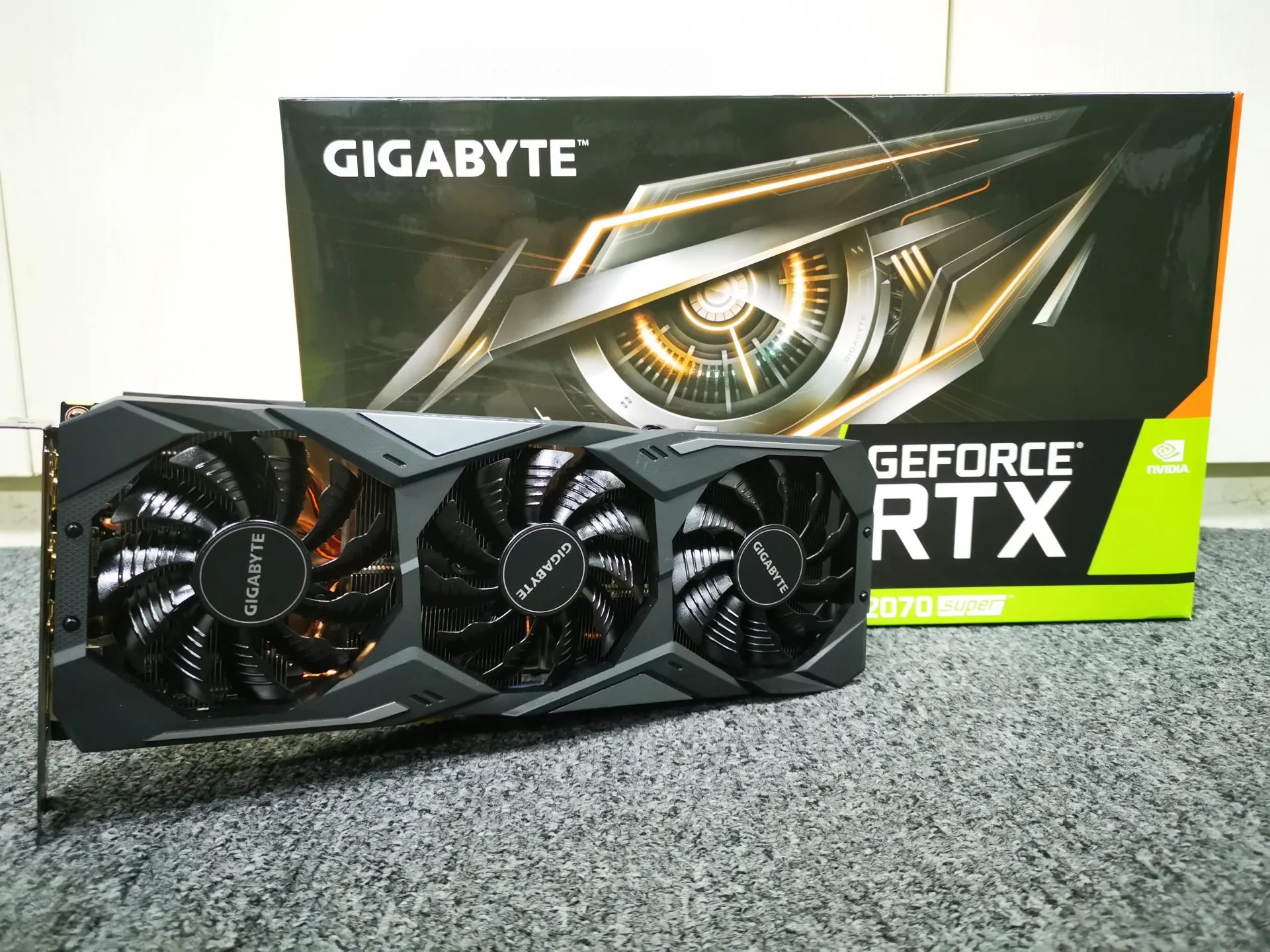
The dreaded 8GB VRAM bottleneck is effectively dead. A standard Turing-generation NVIDIA RTX 2070 Super released back in 2019 is now entirely capable of running local AI models at blistering speeds. This hardware revival is driven almost entirely by the widespread adoption of Mixture of Experts (MoE) model designs.
The Magic of Mixture of Experts
Historically, running a local model required loading every single numerical parameter into video memory simultaneously. If an AI exceeded that 8GB limit, the overflow spilled into standard system RAM. That single bottleneck caused generation speeds to drop to an unusable crawl. MoE architectures bypass this problem entirely.
Instead of firing up the entire neural network for every word, MoE designs only activate a tiny, specialized fraction of the model’s parameters per token. This architectural shift dramatically lowers the barrier to entry, according to an analysis of hardware requirements for MoE models like Llama 4.
Users are pushing boundaries that seemed impossible just months ago. Advanced 30B MoE models can now be meticulously tuned and run effectively on 8GB VRAM hardware without crashing your system. Tools like Ollama and LM Studio have adapted to precisely offload specific “expert” layers between the GPU and CPU, perfectly balancing the computational workload.
Bandwidth is King
The reason seven-year-old hardware is surviving this AI boom comes down to raw memory bandwidth. The RTX 2070 Super utilizes an original TU104 die and a 256-bit bus that pushes 448 GB/s of bandwidth. That specification perfectly matches the newer Ampere-based RTX 3060 Ti. When generating tokens in modern applications, that high bandwidth allows legacy silicon to shine.
Enthusiasts are proving this out in real-world scenarios. The legacy hardware easily handles agentic tasks and coding workflows, confirming the author’s success running local AI without needing to rely on an external server farm.
Why It Matters
The transition toward models like Meta’s Llama 4 family and OpenAI’s gpt-oss-20b fundamentally changes the economics of artificial intelligence. Cloud subscriptions were previously a mandatory tax for developers wanting access to top-tier reasoning capabilities. Now, the open-source community has engineered a highly capable detour around the tollbooth.
By maximizing the efficiency of legacy 8GB graphics cards, the tech industry is seeing a sharp reduction in unnecessary e-waste and a surge in local privacy. You no longer have to send your private codebases or sensitive documents to a cloud provider just to get intelligent assistance. The computing power you bought in 2019 is suddenly more useful than ever.