
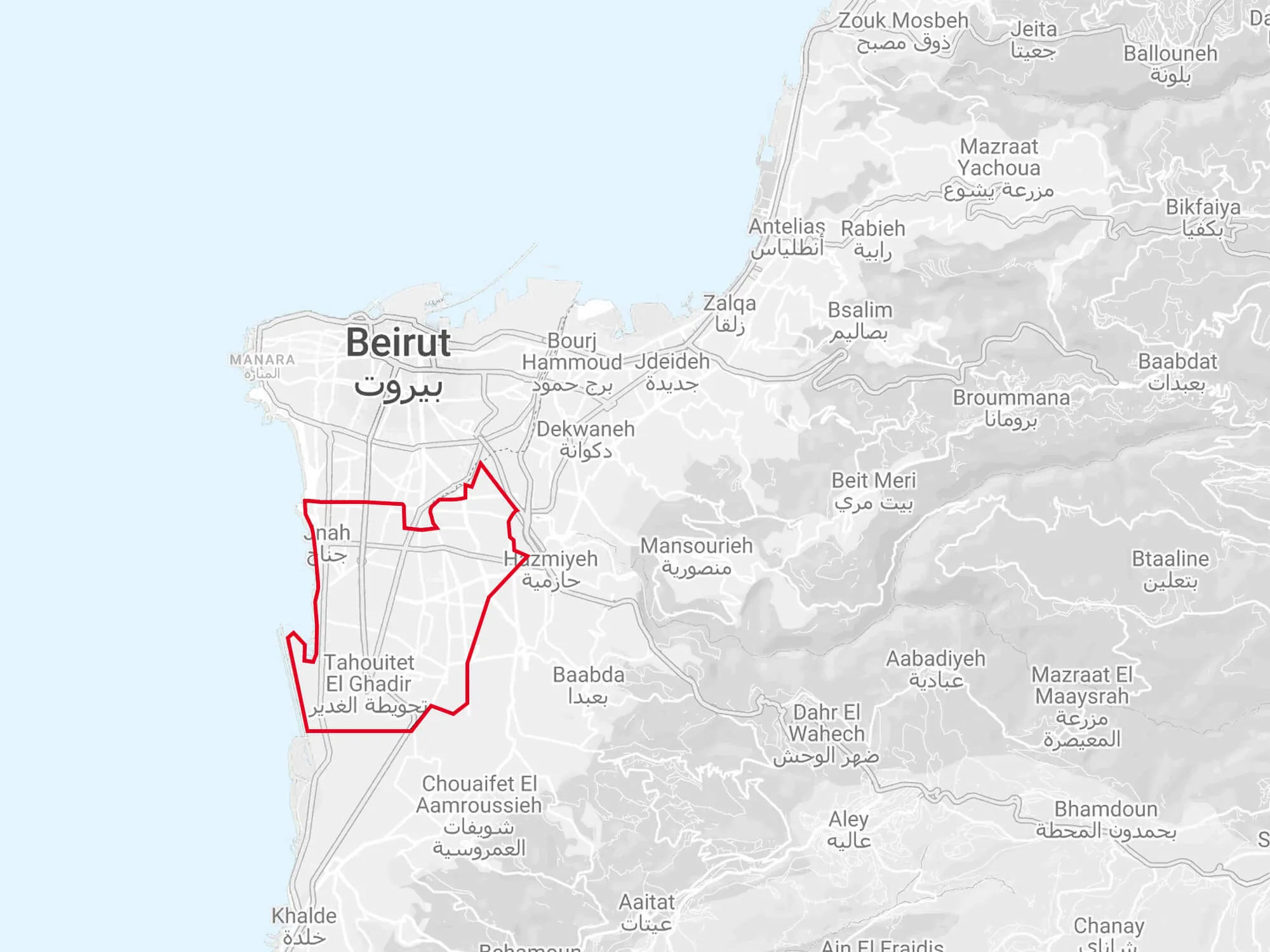
The Lebanese president’s office announced that Hezbollah has accepted a U.S.-brokered proposal for a mutual cessation of attacks with Israel, according to a confirmation of the terms, pausing the immediate threat of a broader regional war. The urgent diplomatic framework, pushed by U.S. Secretary of State Marco Rubio, arrives just as escalating violence in Lebanon triggered Iranian retaliatory strikes around the Strait of Hormuz and disrupted global oil markets.
Under the framework, Israel will suspend military strikes on Beirut’s southern suburbs, specifically the Hezbollah stronghold of Dahiyeh, in exchange for Hezbollah stopping its cross-border rocket and drone attacks into Israeli territory. U.S. President Donald Trump, who mediated the talks, stated that Israeli troops en route to Beirut have been ordered to turn back under the newly secured agreement to halt fighting.
The breakthrough follows the collapse of an earlier mid-April 2026 ceasefire. Following renewed Hezbollah drone attacks on northern Israel in May, the Israeli Defense Forces launched their deepest ground incursion into Lebanese territory in more than a quarter-century. The rapid advance included the capture of strategic positions such as Beaufort Castle and movements past the Litani River.
While the immediate strikes on the Lebanese capital are paused, the agreement does not mandate a full withdrawal. Israeli Prime Minister Benjamin Netanyahu confirmed his communications with Trump but outlined strict conditions for the pause. Netanyahu stated the IDF will continue to operate in southern Lebanon as planned, a position reflected in coverage of the military’s ongoing southern presence, and warned that Israeli forces will strike targets in Beirut again if the ceasefire is violated.
The de-escalation framework prevents what Iranian officials warned was an imminent rupture in broader diplomatic channels. Prior to the agreement, reports from Iran’s Tasnim news agency indicated Tehran was preparing to suspend indirect negotiations with the U.S. and activate allied fronts, including the Bab al-Mandab Strait, if the Lebanon offensive continued.