
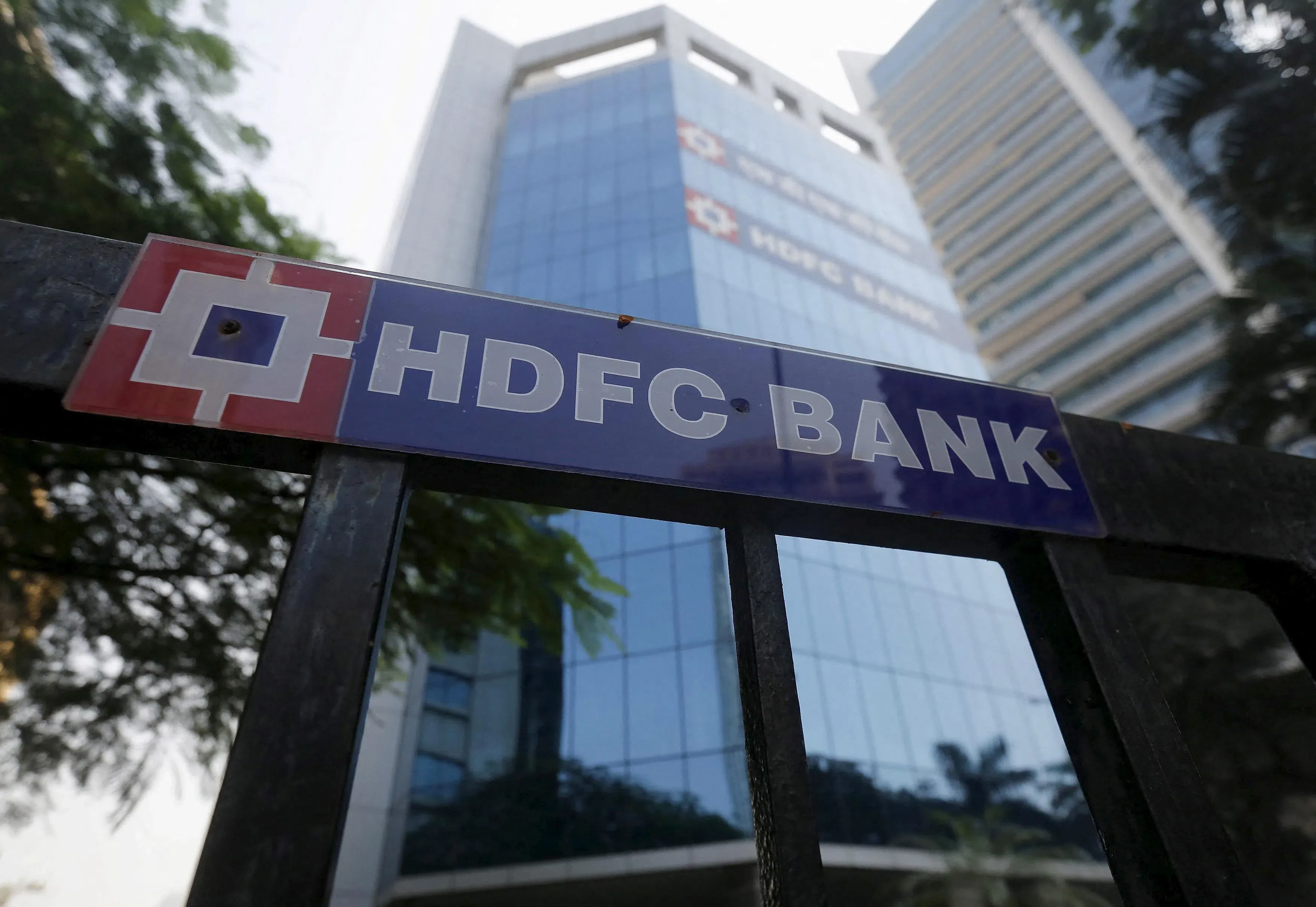
HDFC Bank formally denied allegations of financial misconduct on Wednesday regarding a ₹45 crore payment to the Maharashtra State Road Development Corporation. The corporate denial arrives two months after the sudden, unprecedented resignation of the bank’s part-time chairman over ethical concerns.
Internal vigilance reports recently surfaced claiming the bank routed the ₹45 crore through its marketing department to disguise a differential interest payout. HDFC Bank issued a public statement maintaining that its internal oversight mechanisms are robust and all matters are handled according to established regulatory procedures.
The controversy immediately impacted the bank’s valuation, according to an India Today report verifying the official denial and the subsequent 2.63% drop in share price. The stock closed down at ₹758.50, struggling to find support even as the broader Sensex rebounds 150 points on domestic buying.
The allegations center on an arrangement to secure significant deposits from an MSRDC land acquisition project. Unable to offer the requested interest rate of more than 6% directly under standard banking regulations, the bank allegedly categorized the ₹45 crore yield shortfall as a corporate sponsorship for an MSRDC “Road Safety Awareness Campaign.”
These marketing payments were reportedly approved just days before Atanu Chakraborty unexpectedly resigned on March 18, 2026. Chakraborty cited a mismatch in “values and ethics” upon his departure. He was the first part-time chairman in HDFC Bank history to resign mid-way through a term.
Regulatory Fallout from Marketing-Disguised Yields
The internal vigilance report concluded that routing differential interest as a marketing expense fell outside the bank’s approved governance. This financial structure creates a direct regulatory breach of standard banking norms governing permissible interest rates on institutional deposits.
By shifting the cost of capital acquisition into the marketing budget, the bank exposes itself to severe operational risks and misrepresents its core deposit acquisition metrics to regulators.