
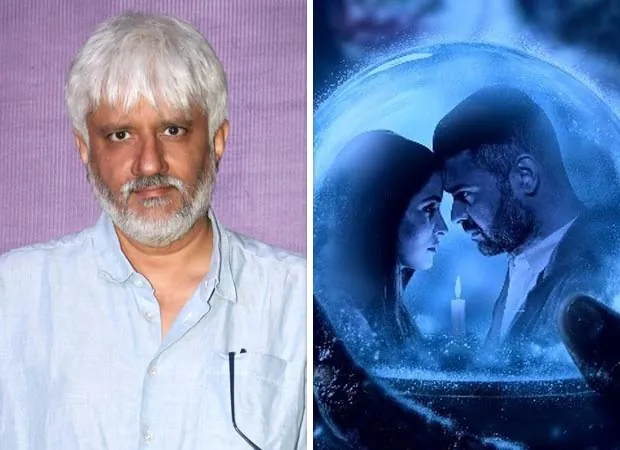
The Haunted – Echoes Of The Past theatrical rollout is suddenly in jeopardy after a legal notice froze all monetization and distribution plans for the upcoming horror flick. This disruption stems from a corporate crisis involving Hare Krishna Media Tech Pvt. Ltd., which is currently navigating insolvency proceedings under the National Company Law Tribunal. A public notice issued today by Resolution Professional CA Bharati Manoj Daga warns the entire film entertainment industry that a NCLT status quo order is in full effect, effectively barring any party from releasing, streaming, or profiting from the project. The film was locked for a June 12, 2026, premiere but now finds itself trapped in a legal vacuum where even satellite and digital rights are untouchable.
Industry insiders are watching the fallout closely as the notice explicitly cautions distributors and OTT platforms against any unauthorized deals. This latest storm is another blow to Vikram Bhatt’s involvement in the project, which has already navigated a minefield of delays and creative shifts. The director previously noted that the film faced setbacks due to his own temporary incarceration and a necessary title change to shed bad luck associated with the word ghost. Now, the debt-riddled status of Hare Krishna Media Tech has brought production to a grinding halt just as the marketing machine was supposed to kick into high gear. Mimoh Chakraborty stars in the lead role, but fans waiting for a return to the Haunted 3D franchise’s roots might have to wait indefinitely while the court decides who actually owns the rights to the footage.
This legal gridlock highlights a massive shift in how Bollywood handles intellectual property during corporate bankruptcy. Usually, a film is seen as a finished asset ready to be liquidated to pay off creditors, but the NCLT’s decision to maintain a status quo suggests deeper complications in the underlying contracts. If the resolution professional cannot reach a deal with creditors, Haunted – Echoes Of The Past could sit on a shelf for years, mirroring the tragic fate of other big-budget projects caught in insolvency crossfire. For investors and theater owners, this is a loud reminder that even a finished film is never truly safe until the final credit rolls on opening night. The clash between creative output and the Insolvency and Bankruptcy Code (IBC) is creating a new kind of horror story for producers who rely on complex third-party financing to get their visions onto the big screen.