
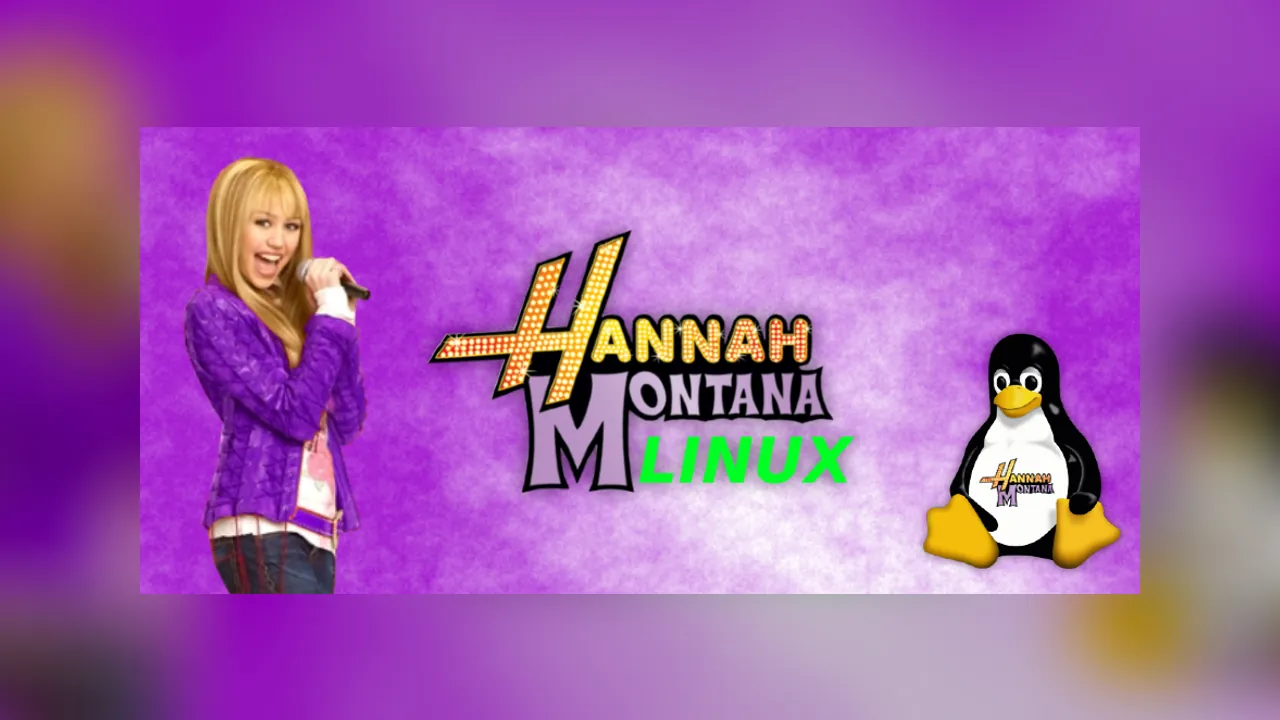
Seventeen years ago, a custom Kubuntu project slapped some Disney Channel wallpaper onto a desktop and became an internet legend. The original Hannah Montana Linux debuted in 2009 as a quick novelty project before being quickly abandoned, freezing the operating system as a permanent joke inside the open-source community.
Now, it actually works. Developer Noah Cagle just released version 26 of Hannah Montana Linux, rebuilding the dead meme from the ground up. And yes, there is still a lot of pink.
Under the Hood of a Revived Meme
The 2026 iteration abandons its old Ubuntu roots entirely. Cagle constructed the new operating system using a solid Debian 13.5 (Trixie) base and powered it with Linux Kernel 6.12 LTS. The primary interface utilizes a modernized KDE Plasma 6 base alongside SDDM.
Because the developers used the Calamares installer, you can actually set this up as a fully viable, daily-drivable machine, according to detailed coverage by Linux news outlet Linuxiac. The OS files and installation tools are currently hosted live on GitLab.
But KDE Plasma 6 is visually demanding. Running that environment smoothly with the heavily themed pink branding requires around 8GB of RAM.
Cagle accounted for older hardware. Alongside the primary release, the developer dropped a secondary fork called “HML26 Lite.” This version swaps out the heavy Plasma interface for LXQt and LightDM. The result? You can run the Lite version on aging laptops with just 2GB of RAM without breaking a sweat.
Why Rebuilding a 17-Year-Old Joke Actually Matters
The software preservation space is filled with dead projects that no longer boot on modern hardware. Reviving Hannah Montana Linux rescues the project from its broken 2009 state, but it also proves a weird point about modern Linux architecture.
Developers are now using industry-standard tools like Debian’s Live Build to turn discarded novelty concepts into secure systems. You get the ridiculous visual aesthetic of a 2000s teen sitcom, but you are protected by a modern kernel and regular security patches. It completely blurs the line between a software joke and a legitimate operating system.