
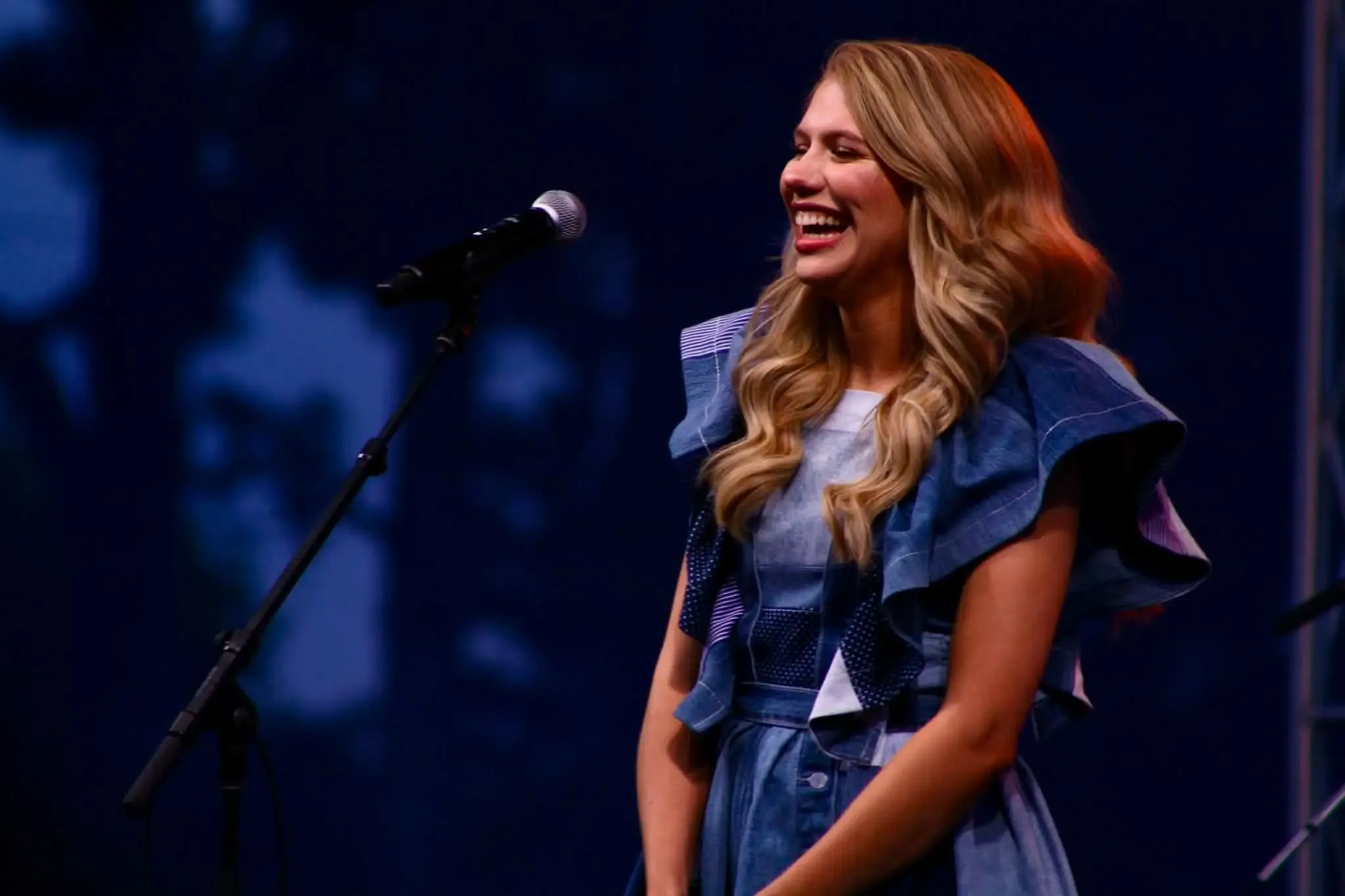
Hannah Harper is your new American Idol. The 25-year-old Missouri native officially took the Season 24 crown on Tuesday, securing a $250,000 prize and a major label record deal. But the celebration was immediately swallowed by controversy.
Harper defeated runner-up Jordan McCullough and third-place finalist Keyla Richardson during a tense three-hour finale. She sealed her victory with a powerful rendition of Chris Tomlin’s “At The Cross (Love Ran Red)” and an emotional encore of her viral original audition song, “String Cheese”. Alicia Keys mentored the finalists for the closing broadcast. The vocals were spectacular. The aftermath was chaotic.
Minutes after Ryan Seacrest announced the results, viewers flooded X with a massive meltdown claiming Jordan McCullough was robbed due to blatant judge favoritism. Critics specifically targeted Carrie Underwood. They argued Underwood treated Harper like untouchable royalty from the very first audition.
Harper’s journey was undeniably emotional. Her viral song “String Cheese” tackled her severe battles with postpartum depression. The mother of three openly shared her family’s struggles, including the trauma of her husband Devon Mendenhall surviving a near-fatal accident in 2019. Middle America rallied behind her. The narrative was bulletproof.
The judges rushed to her defense as the online backlash grew. Luke Bryan posted a celebratory photo with Seacrest and Lionel Richie. Bryan explicitly stated he knew Harper would make them proud from day one.
The finale even sparked bizarre political discourse. White House Press Secretary Karoline Leavitt publicly praised Harper’s win. Other political commentators threw their weight behind McCullough. A singing competition suddenly turned into a cultural debate.
The Power of the Vulnerability Playbook
Harper’s victory signals a massive shift in how reality television crowns its winners. For years, sheer vocal power dominated the stage. Now, raw storytelling is the ultimate currency.
The modern entertainment landscape actively rewards vulnerability. Harper did not just sing covers of legacy pop tracks. She brought an original, intensely personal composition about mental health into millions of living rooms. This strategy built an unbreakable bond with voters long before the finale.
A flawless vocal run is easily forgotten. A relatable human struggle is not. Harper proved that a compelling, unapologetic narrative essentially secures a dedicated fanbase from the very first note.