
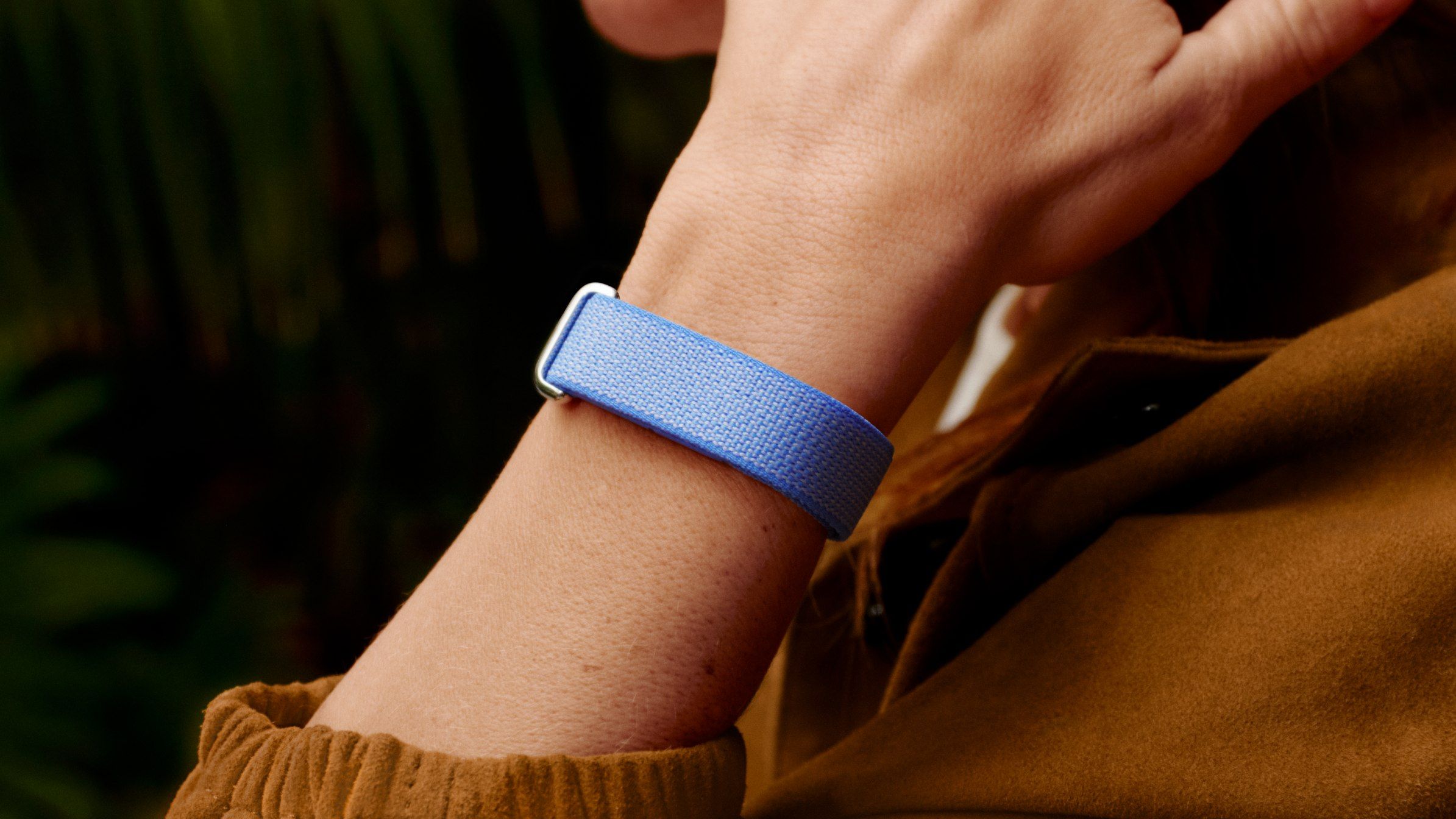
Smartwatch fatigue is taking over. Consumers are exhausted by constant wrist notifications. A massive shift toward passive, invisible health monitoring is redefining the fitness industry. Google just entered the chat with the Fitbit Air.
The device is their first-ever display-free wearable. It carries an aggressive upfront cost of $99.99 and is officially scheduled to launch on May 26. This pricing strategy aims to directly undercut established screenless giants.
The Invisible Hardware and Curry Edition
The new tracker is impossibly light. It weighs just 11 grams with the band attached. You won’t find any buttons or glowing screens here. It sits quietly in the background, using simple vibrations for alarms and low battery alerts. The device is also water-resistant up to 50 meters.
It tracks over 140 different activities using updated machine learning models. The battery lasts a full seven days on a single charge. A quick five-minute top-up provides 24 hours of power. It covers baseline metrics like sleep tracking and blood oxygen levels, while also adding FDA-approved background AFib detection. While the standard model is $99.99, Google also introduced a special Steph Curry edition featuring a unique “Rye” colorway performance band for $129.99.
The Real Product is the Gemini Software
The hardware is cheap for a reason. Google is pushing users toward a $99.99 annual subscription. This unlocks a Gemini-powered AI health coach inside the newly rebranded Google Health app.
The premium ecosystem allows the AI to synthesize daily data. It answers conversational questions about your habits. U.S. users will soon see even deeper integration. They can sync medical records and continuous glucose monitors directly into the app. Google wants to own your entire health profile, not just count your steps.
How the Fitbit Air Disrupts the Whoop Monopoly
This is a massive disruption for the wellness market. For years, the premium screenless sector was dominated by niche players with heavy pricing structures. Whoop forces users into a subscription that costs over $200 a year. Oura demands a steep $349 upfront for their ring, plus another $70 a year just to see the data.
Google is dropping a massive tech ecosystem right in the middle of this market for a fraction of the cost. The Fitbit Air moves the industry away from expensive hardware bragging rights. It pivots entirely to accessible, software-led wellness intelligence. The barrier to entry for AI health coaching just collapsed.