
The global space economy is sprinting toward a $1 trillion valuation by 2034. Charlotte Kiang’s latest analysis at Forbes breaks down exactly how we get there. Rockets and launch pads get all the attention, but the real financial engine sits entirely somewhere else.
The “services layer” now controls nearly two-thirds of the entire market. We are talking about satellite broadband, global navigation, and Earth-observation analytics. This sector is growing at an incredible 6.5% annually. Private capital poured $128 billion into the core space sector since 2009, with nearly $26 billion arriving in the past year alone. Non-space industries like agriculture and supply chain logistics are buying subscription-based space analytics at a record pace.
But commercial analytics only tell half the story. The underlying financial anchor for this orbital boom is an aggressive surge in U.S. government defense spending. The Pentagon is rapidly accelerating the “Golden Dome,” a multi-layered missile defense shield designed to track and intercept ballistic threats from low Earth orbit.
The numbers here are astounding. The updated Pentagon cost estimate for the Golden Dome system just hit $185 billion. To get this off the ground, the initiative received an initial $24.4 billion injection via the 2025 One Big Beautiful Bill Act. Congress followed that up with another $13.4 billion in fiscal year 2026 defense appropriations. This financial pipeline is confirmed by the Brookings Institution, which tracks the intersection of commercial space expansion and federal defense authorizations.
Why the 1980s “Star Wars” Vision is Finally Becoming Real
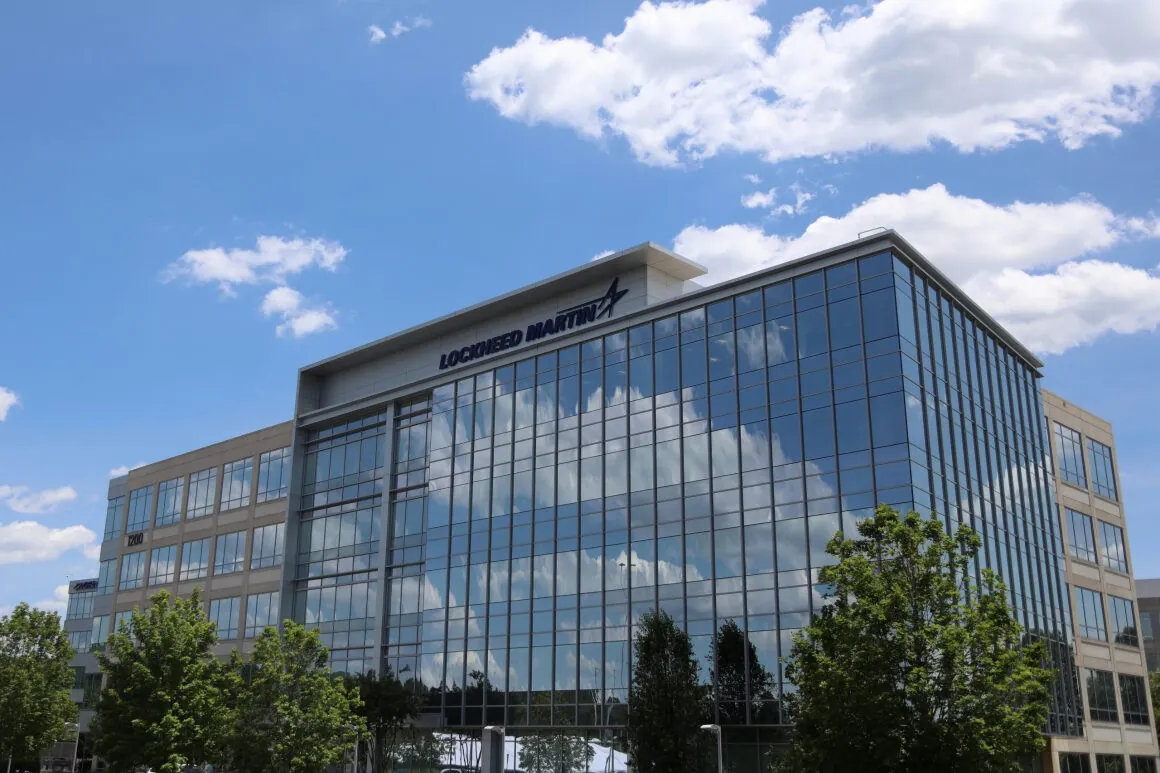
The deployment of these space-based networks triggers a historic policy shift for the U.S. Space Force. We are seeing a complete blurring of the lines between commercial space development and federal military architecture. Major defense contractors like Lockheed Martin are now directly integrating advanced space-based sensors with existing terrestrial combat systems.
This is the first major deployment of actual U.S. space weapons and interceptors in orbit. It essentially realizes the 1980s Strategic Defense Initiative. That Reagan-era concept, often remembered as the “Brilliant Pebbles” interceptor program, aimed to render adversarial arsenals obsolete. The technology just finally caught up to the theory.