
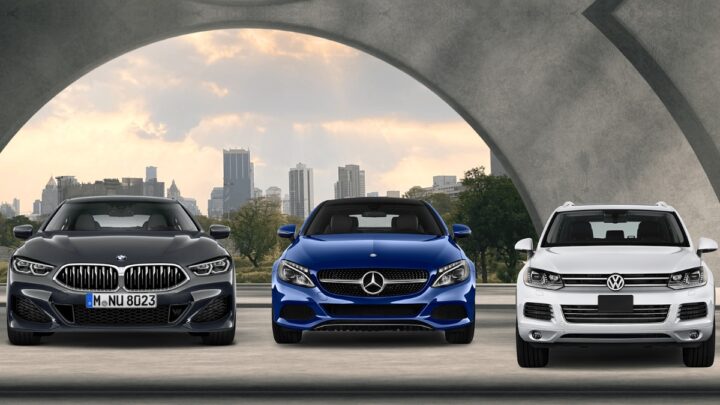
Europe’s ambitious plan to stop selling gas-powered cars by 2035 is hitting a major roadblock. The European car industry finds itself split, but a clear voice is now rising from Germany. This nation, home to many auto giants, is pushing hard for a change in direction.
A Reality Check for EV Goals
The rule is clear: by 2035, Europe will ban the sale of new cars with combustion engines. This even includes hybrid models. Car makers have been quietly pushing back against this strict timeline for a while. Now, major German brands are openly rethinking their plans to go fully electric soon. Their political leaders and industry groups are following suit, creating a united front.
Almost everyone agrees that electric vehicles are the future of driving. The real argument is about how we get there. Companies are facing tough times right now, which makes sticking to the 2035 deadline much harder.
They point to several big problems. Making electric cars costs more money. Many buyers are unsure about switching to EVs. Europe’s charging stations are spread unevenly, making long trips difficult for some. Chinese companies control a lot of the supply chain for EV parts. Plus, Donald Trump recently added a 15% tariff on some imports, adding to the financial strain.
Germany Demands Flexibility
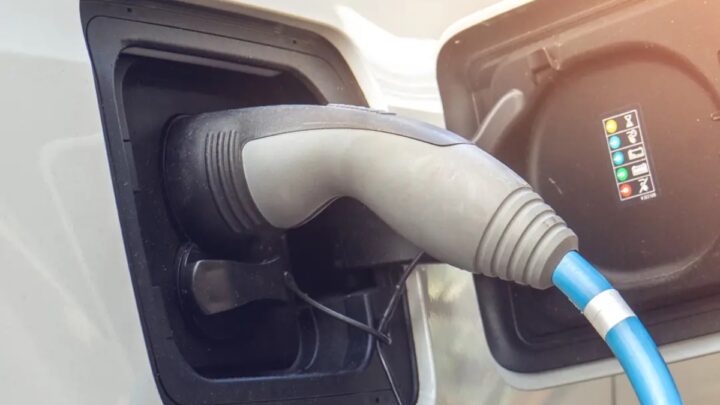
German news outlets report that politicians and industry leaders are joining forces. They want to create a shared plan to fight the European ban. Their main idea is to make plug-in hybrid vehicles (PHEVs) a key part of the move away from pure gas cars. They call this “technological openness.”
Germany’s main political groups are taking a stand. The conservative CDU/CSU alliance wants to get rid of the ban entirely and focus on PHEVs. The social-democrat SPD party is divided, but a large part of it is now open to hybrids, especially for big company car fleets in Europe. They say, “Electric technology is the only real opportunity for the German automotive industry.”
Markus Söder, the leader of the CSU, spoke even more strongly. He warned that “hundreds of thousands of jobs” could be lost if Europe doesn’t act quickly. Söder believes we need to stop the combustion engine phase-out right now and embrace more technology choices. He added, “It’s correct to promote electric vehicles, but it would be a serious mistake to rely exclusively on them.”
Powerful industry groups agree. IG Metall, Europe’s largest metalworkers’ union, and the German Association of the Automotive Industry (VDA) are also asking for more options. These groups want a wider range of technologies to be allowed. A major auto summit is expected soon in Germany to finalize their joint proposal for Europe.
The September 12 Showdown
Another important meeting is set for September 12. Car makers will meet with European leaders for a “Strategic Dialogue” about the future of the auto industry. The European Automobile Manufacturers’ Association (ACEA) has already set the stage. They sent a very direct letter to the European Commission President. This letter openly asked to scrap the 2035 ban.
Ola Kallenius, who leads ACEA and is also the CEO of Mercedes-Benz, signed the letter. He argued that it’s “simply unfeasible” to meet strict CO2 goals for cars and vans by 2030 and 2035 today. He said electric vehicles are crucial, but Europe must also allow for plug-in hybrids, range extenders, super-efficient gas engines, hydrogen, and cleaner fuels.
The ACEA letter stressed the urgency of the September 12 meeting. It stated that this meeting is the EU’s “last chance” to change its rules to fit current market and economic conditions. If not, it risks damaging one of its most successful industries worldwide. The ACEA believes the path forward needs more common sense and flexibility. You can read the German media coverage here and learn more about the VDA here.
This moment feels like a turning point. Europe must decide whether to stick to its tough plan or take a step back. Many in the industry believe this step back isn’t giving up, but rather the push needed to actually meet climate goals. Will Europe listen to the calls from Germany and its major car companies? We should have some answers in a few weeks.