
Cloud AI comes with a privacy tax. Every document, voice note, and screenshot you upload leaves your device and hits a remote server. But that hardware dependency is breaking. Google’s Gemma 4 12B model now allows users to run native vision and audio processing entirely offline. And it fits comfortably on older mid-range laptops.
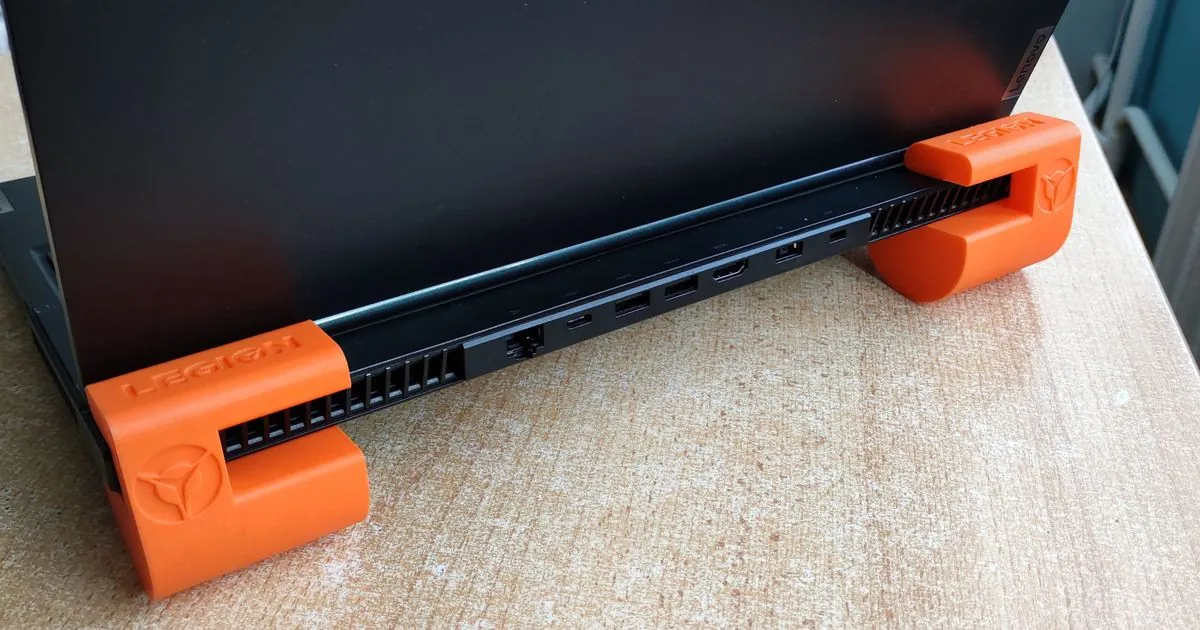
Tech journalist Abhinav Raj at XDA Developers recently put the model to the test on a Lenovo Legion 5 laptop. The machine features an older RTX 3070 GPU and 8GB of VRAM. The hardware handled it easily. The secret sits in the architecture itself. Unlike older models that require a bulky vision encoder, Gemma 4 pipes images straight into the model’s backbone through a lightweight embedding layer.
Google initially launched the broader open model family on April 2, 2026, building heavily on the Gemini 3 architecture. The specific 12B unified multimodal variant arrived a few months later, officially rolling out on June 3, 2026, according to Google.
That low overhead changes how developers interact with local software. Raj used the model’s offline vision capabilities to scan dense BIOS screenshots and hardware performance graphs. He then asked the AI to extract the raw numbers and format them into clean tables for Excel spreadsheets. All without a Wi-Fi connection.
Listening Without Transcribing
The audio side is equally practical. The E2B, E4B, and 12B models drop the need for third-party transcription apps entirely. They listen to audio recordings and reason about the speech directly. You can hand the AI an hour of untranscribed meeting audio and ask it for specific action items.
Add the model’s 256K context window, and the utility scales up quickly. You can feed it a year of notes or a small code repository at once. Sure, cloud models can do this. But running it locally keeps intellectual property safely on your own hard drive.
Why the Apache 2.0 Shift Threatens Cloud Subscriptions
Google made a quiet but highly competitive licensing change with this release. Previous Gemma iterations relied on restrictive source-available terms. Gemma 4 ships under a permissive Apache 2.0 license. This allows developers to fine-tune and deploy the model commercially for free.
By offering native multimodal capabilities offline, Google positions Gemma 4 in direct competition with Meta’s Llama 4. It gives enterprise users working with sensitive health or financial data a reason to cancel paid cloud subscriptions from OpenAI and Anthropic. Companies no longer have to compromise their internal data privacy to get top-tier AI vision and audio features.