
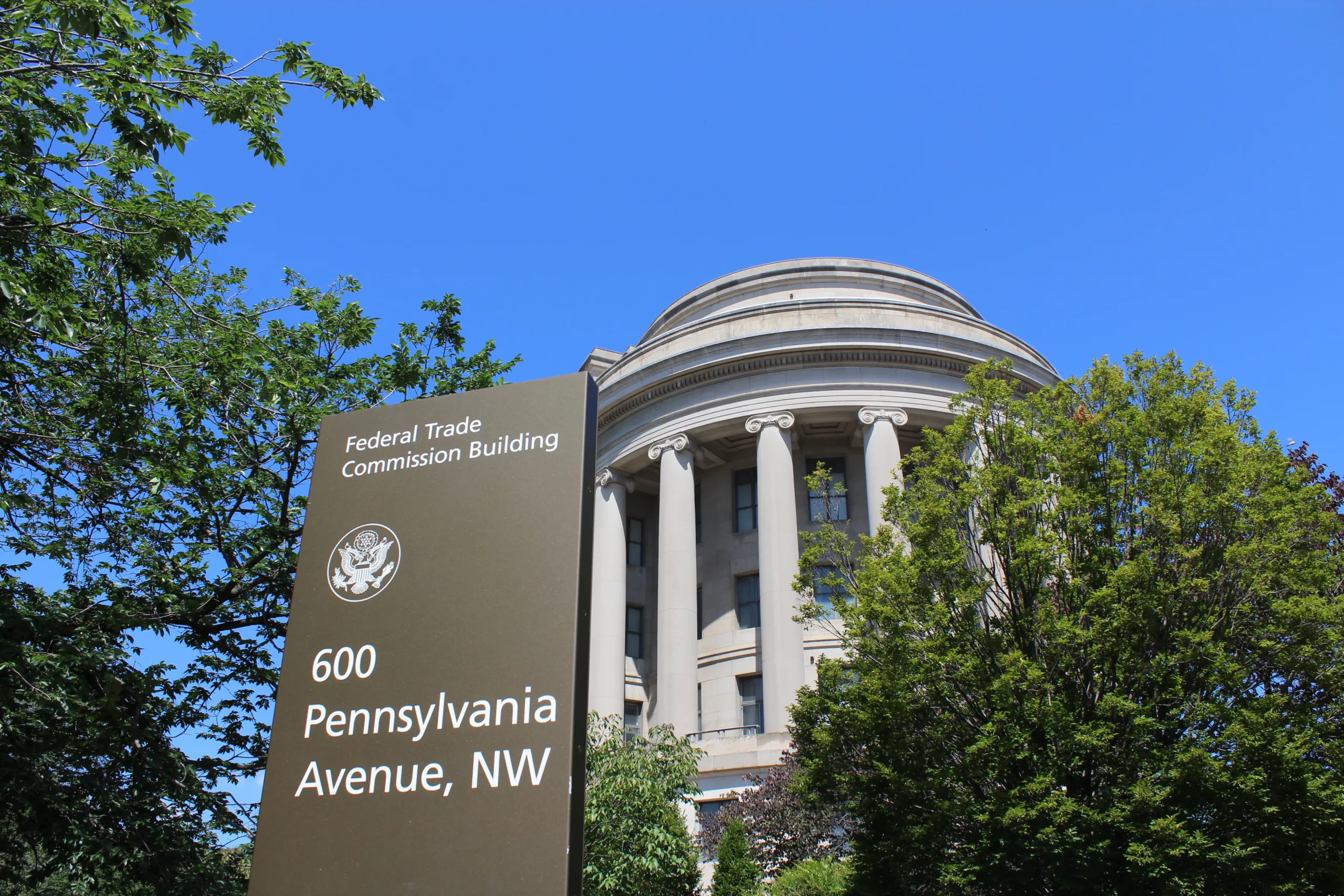
The Federal Trade Commission ordered Cox Media Group and two smaller marketing firms to pay a combined $930,000 to settle deceptive marketing charges. Federal regulators cracked down on the companies after they claimed an artificial intelligence service could secretly listen to consumer smartphone microphones to target advertising.
Cox Media Group will pay $880,000 of the total penalty under the settlement terms. The remaining two firms, MindSift LLC and 1010 Digital Works LLC, will each pay $25,000 for their involvement in the advertising scheme.
Inside the Active Listening Illusion
The investigation revealed that Cox Media Group did not actually record audio or use device microphones for its software. Instead, the company bought standard email lists from traditional data brokers and resold them to advertisers at a higher price. The regulatory action showed the company built a highly profitable illusion by exploiting the common public belief that smart devices are constantly listening to private conversations.
The issue began in late 2024 when a leaked presentation deck from Cox Media Group became public. The document told potential clients, including tech platforms like Google and Meta, that its software could capture real-time audio from phones and smart televisions. The disclosure led to a public inquiry led by U.S. Senator Marsha Blackburn to investigate the relationship between the media conglomerate and major technology partners.
New Ground Rules for AI Marketing
The Federal Trade Commission settlement legally prohibits the companies from misrepresenting their AI capabilities, geographic targeting accuracy, or voice data tracking. The federal order also establishes that companies cannot claim consumers gave permission for microphone recording through generic terms of service agreements.
How the False Surveillance Crackdown Targets Privacy Theater
The financial penalty shows a shift in how federal regulators police technology claims. Instead of penalizing a real privacy breach, the regulatory focus has turned to marketing firms that lie about the tracking power of their AI algorithms. By establishing that boilerplate terms of service do not count as user permission for audio tracking, the ruling forces data brokers to change how they label and sell consumer data pools.