
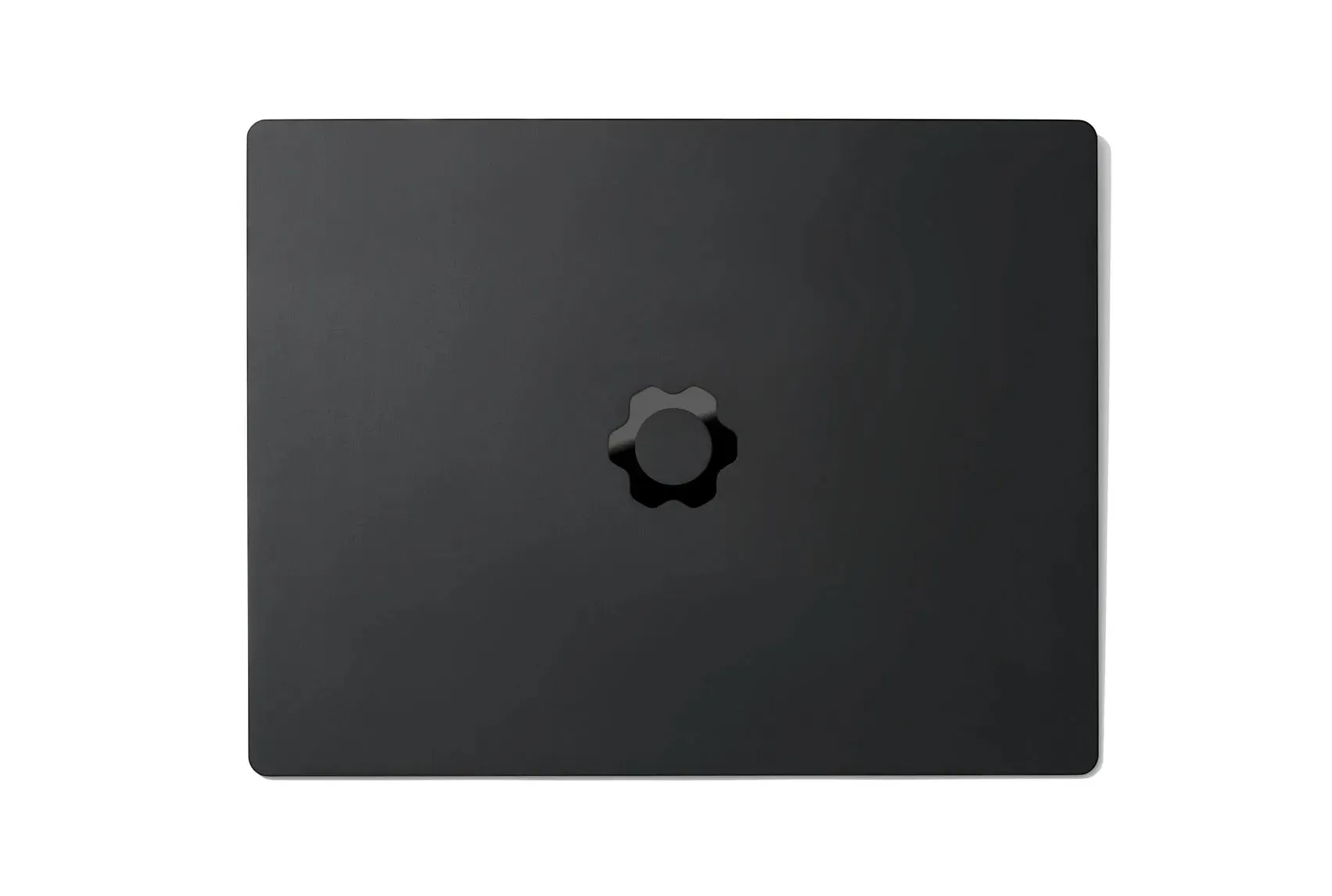
While the wider PC industry battles a severe DRAM shortage that is currently driving up component prices, Framework hit a completely different kind of speed bump. The modular laptop pioneer officially paused mass production on the highly anticipated Laptop 13 Pro. The company pushed the first delivery batches from late June to late July or early August 2026.
The delay comes down to two highly specific hardware flaws caught right before the final assembly lines started rolling. Engineers discovered an electrical grounding bug in the printed circuit board design of the haptic touchpad. Sourced from suppliers Lite-On and Boréas, the flaw caused the touchpad to completely reset whenever a user clicked it repeatedly. At the same time, the custom display panel required a last-minute firmware update from supplier CSOT to fix an initialization glitch. Framework chose to halt production entirely to spin up a new PCB design to permanently fix the hardware, pushing the release to late July or August.
Framework is offering full refunds to pre-order customers who cannot wait for the new timeline. But there is a bright spot for PC builders who only want the computing power. Standalone Intel Core Ultra Series 3 mainboards, featuring the Panther Lake architecture, remain unaffected and will ship on schedule in June.
To make up for the inconvenience, Framework updated its store to let customers add hard-to-find, replaceable LPCAMM memory modules directly to their mainboard orders.
How Modular Design Insulates Framework From the DRAM Crisis
Framework built the Laptop 13 Pro to compete head-to-head with the Apple MacBook Pro in the premium hardware space. Most high-end laptop manufacturers are currently struggling to source memory chips and meet delivery quotas due to the ongoing global DRAM shortage. Because Framework designed the 13 Pro to use the new swappable LPCAMM memory standard instead of soldering RAM directly to the board, they bypassed the industry-wide supply chain constraints.
This delay is entirely localized to specific custom interface parts. The core computing components are completely ready. It is fascinating to see a hardware startup halt a flagship launch just to get the click tension right on a touchpad. The decision proves that while building a fully repairable laptop requires intense quality control on custom boards, the modular approach successfully protects the company from broader macroeconomic parts shortages.