
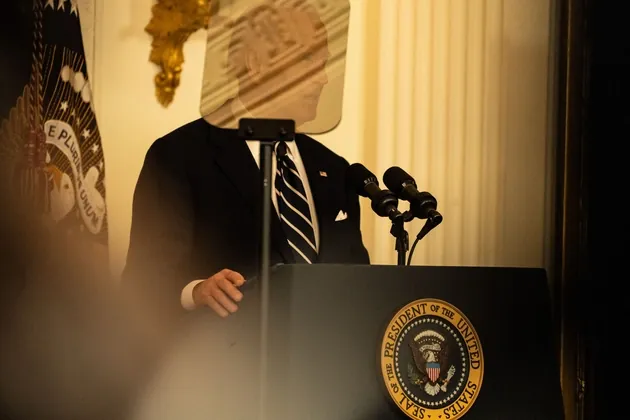
The ongoing legal and political conflicts over the retention of classified documents by former United States leaders continue to drive partisan divisions in Washington. Former President Joe Biden filed a civil lawsuit against the Justice Department this week to block the public release of private audio recordings captured during 2016 and 2017 interviews with his ghostwriter.
The tapes form a central component of the investigation conducted by Special Counsel Robert Hur, who examined how classified materials were stored after Biden’s term as vice president. Hur’s final report concluded without any criminal charges, but his written findings generated intense controversy by including unprompted assessments of Biden’s memory and mental fitness.
Biden’s legal representatives argue the Justice Department holds a fundamental obligation to protect the privacy of these specific conversational recordings. The executive branch previously invoked executive privilege to prevent similar audio files from being handed over to congressional committees investigating the administration.
The legal dispute has triggered stark partisan reactions on Capitol Hill. Republican lawmakers maintain the current lawsuit is evidence of preferential treatment, frequently comparing the situation to the separate federal criminal charges filed against Donald Trump over classified documents held at his Mar-a-Lago estate. Democratic leaders counter that Biden’s full cooperation with federal investigators justifies the differing legal outcomes and the current push for administrative privacy protections.